The C-terminal region of the Plasmodium berghei gamete surface 184-kDa protein Pb184 contributes to fertilization and male gamete binding to the residual body
Kazuhiko Nakayama, Asako Haraguchi, Jun Hakozaki, Sakure Nakamura, Kodai Kusakisako, Hiromi Ikadai

TL;DR
Researchers found that a protein in malaria parasites, Pb184, plays a role in fertilization and could help prevent malaria transmission.
Contribution
The study identifies the C-terminal region of Pb184 as critical for gamete binding and fertilization in Plasmodium berghei.
Findings
Pb184 is expressed on the surface of male and female gametes and is involved in fertilization.
Antibodies and peptides targeting Pb184 inhibit zygote and ookinete formation in vitro.
Pb184 peptides bind to the residual body of male gametes and inhibit ookinete differentiation.
Abstract
Malaria, a global health concern, is caused by parasites of the Plasmodium genus, which undergo gametogenesis in the midgut of mosquitoes after ingestion of an infected blood meal. The resulting male and female gametes fuse to form a zygote, which differentiates into a motile ookinete. After traversing the midgut epithelium, the ookinete differentiates into an oocyst on the basal side of the epithelium. Membrane proteins with increased gene expression levels from the gamete to oocyst stages in P. berghei were investigated utilizing PlasmoDB, the functional genomic database for Plasmodium spp. Based on this analysis, we selected the 184-kDa membrane protein, Pb184, for further study. The expression of Pb184 was further confirmed through immunofluorescence staining, following which we examined whether Pb184 is involved in fertilization using antibodies targeting the C-terminal region of…
Genes, proteins, chemicals, diseases, species, mutations and cell lines named across the full text — each resolved to its canonical identifier and authoritative record.
Click any figure to enlarge with its caption.
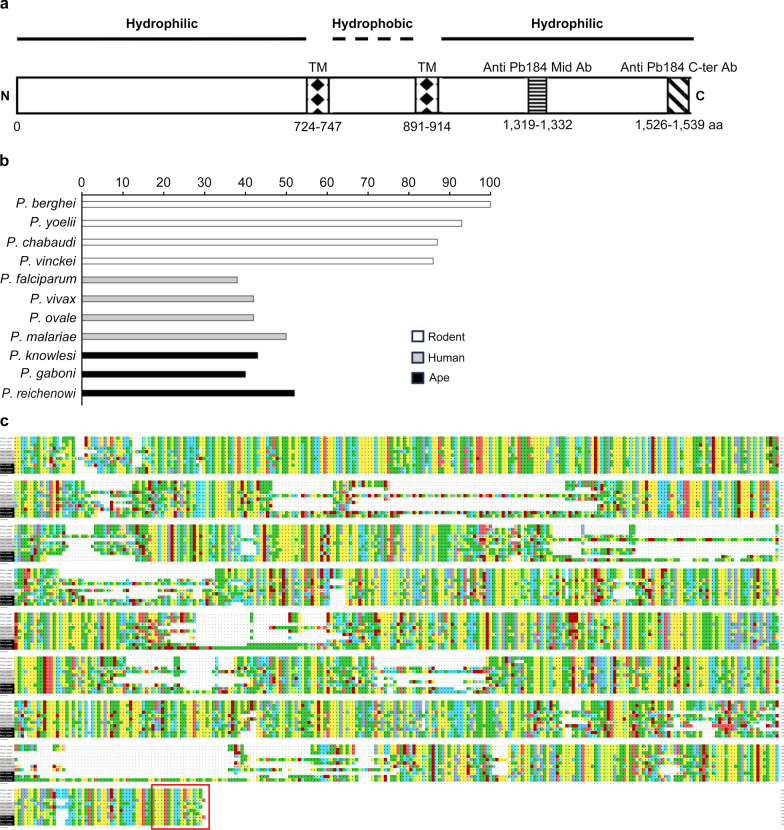 Figure 1
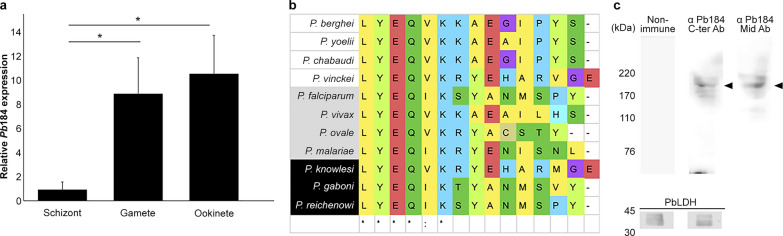 Figure 2
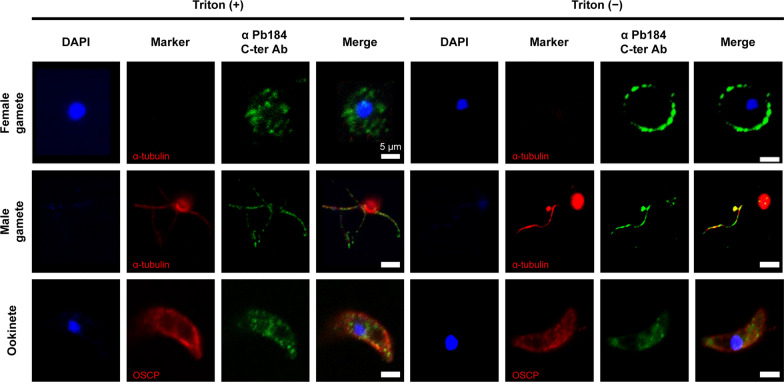 Figure 3
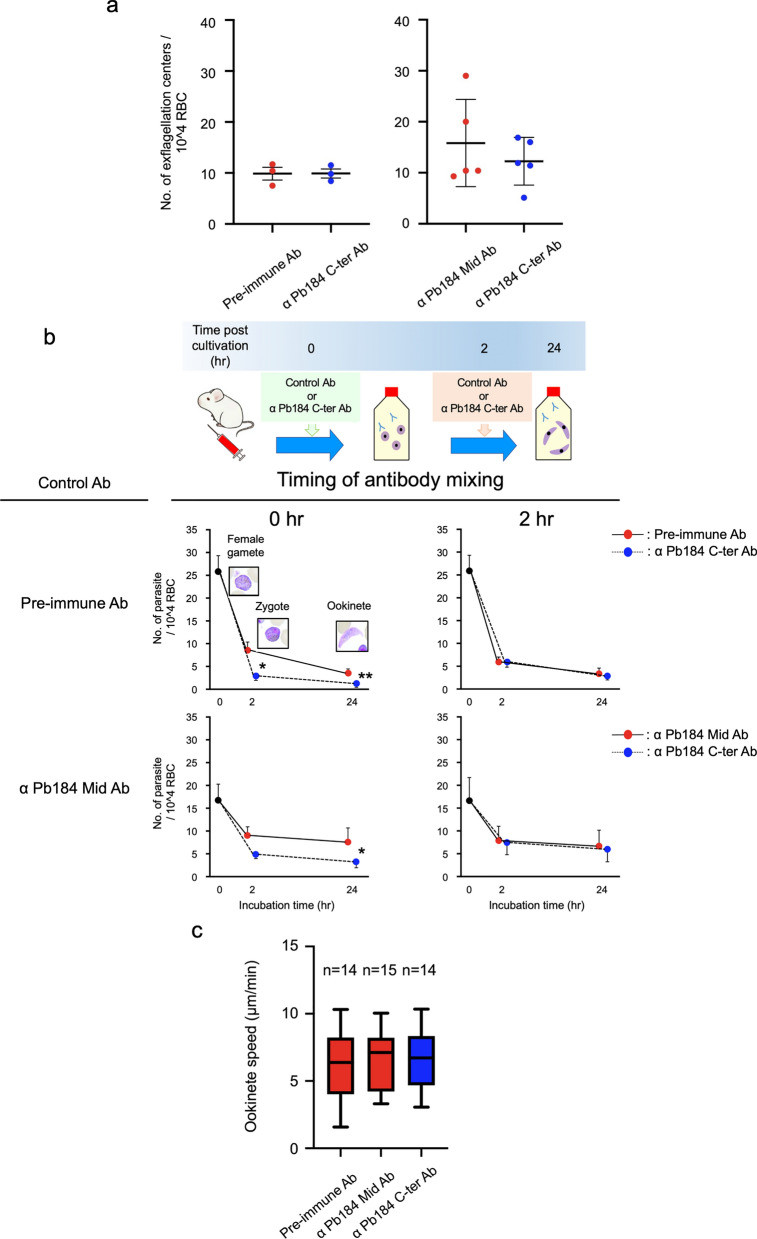 Figure 4
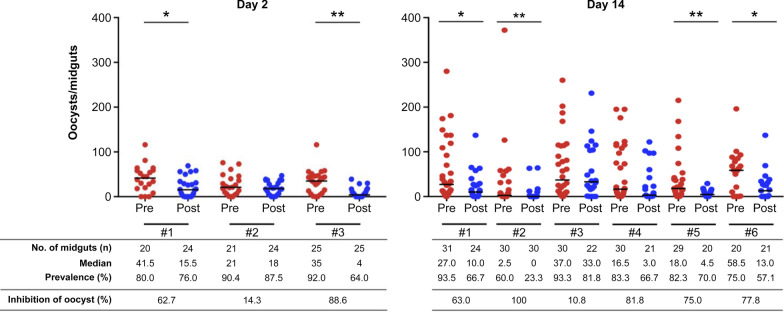 Figure 5
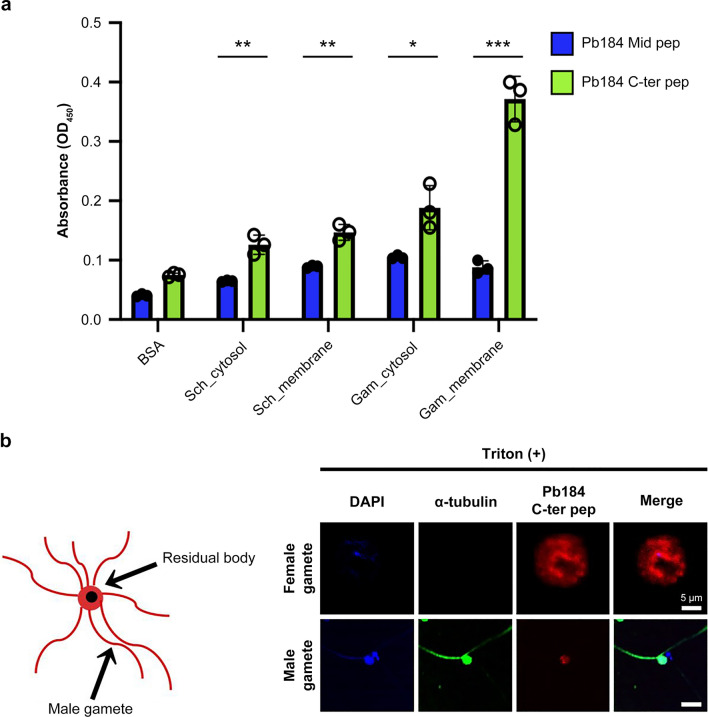 Figure 6
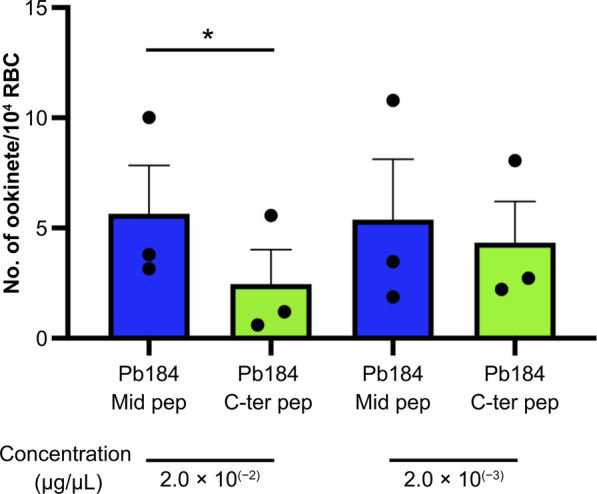 Figure 7
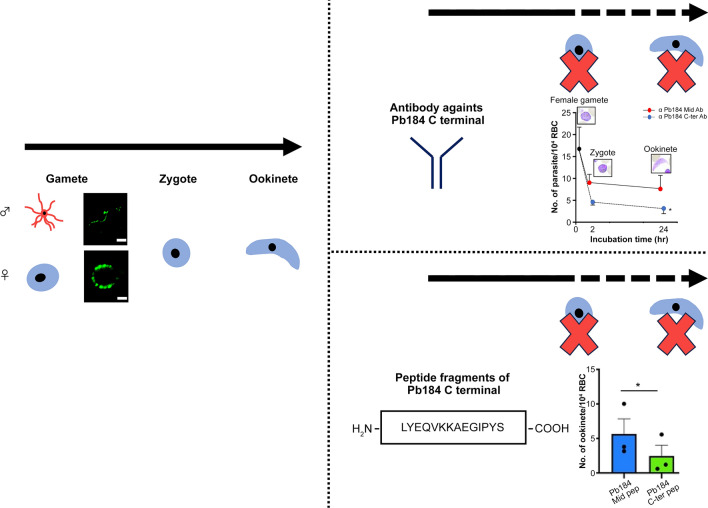 Figure 8
Peer Reviews
No public reviews on file for this paper yet. If you reviewed it on a platform where reviews are public (OpenReview, ICLR, NeurIPS, ICML), you can paste yours below so the community can read it here.
Videos
No videos yet. Explain this paper in a talk, walkthrough, or lecture? Add one.
Taxonomy
TopicsMalaria Research and Control · Invertebrate Immune Response Mechanisms · Mosquito-borne diseases and control