Loss of Mitochondrial Tusc2/Fus1 Triggers a Brain Pro-Inflammatory Microenvironment and Early Spatial Memory Impairment
Tonie Farris, Salvador González-Ochoa, Muna Mohammed, Harshana Rajakaruna, Jane Tonello, Thanigaivelan Kanagasabai, Olga Korolkova, Akiko Shimamoto, Alla Ivanova, Anil Shanker

TL;DR
Loss of a mitochondrial protein in mice causes brain inflammation and memory problems, suggesting new ways to treat cognitive decline.
Contribution
The study reveals a novel link between mitochondrial Tusc2 loss, brain inflammation, and early memory impairment in mice.
Findings
Tusc2−/− female mice show increased pro-inflammatory immune responses in the brain.
Tusc2−/− mice exhibit Tusc2- and sex-specific changes in proteins related to brain plasticity and calcium signaling.
Reduced anti-inflammatory immune cells in Tusc2−/− brains suggest impaired regulation of inflammation.
Abstract
Brain pathological changes impair cognition early in disease etiology. There is an urgent need to understand aging-linked mechanisms of early memory loss to develop therapeutic strategies and prevent the development of cognitive impairment. Tusc2 is a mitochondrial-resident protein regulating Ca2+ fluxes to and from mitochondria impacting overall health. We previously reported that Tusc2−/− female mice develop chronic inflammation and age prematurely, causing age- and sex-dependent spatial memory deficits at 5 months old. Therefore, we investigated Tusc2-dependent mechanisms of memory impairment in 4-month-old mice, comparing changes in resident and brain-infiltrating immune cells. Interestingly, Tusc2−/− female mice demonstrated a pro-inflammatory increase in astrocytes, expression of IFN-γ in CD4+ T cells and Granzyme-B in CD8+T cells. We also found fewer FOXP3+ T-regulatory cells and…
Genes, proteins, chemicals, diseases, species, mutations and cell lines named across the full text — each resolved to its canonical identifier and authoritative record.
Click any figure to enlarge with its caption.
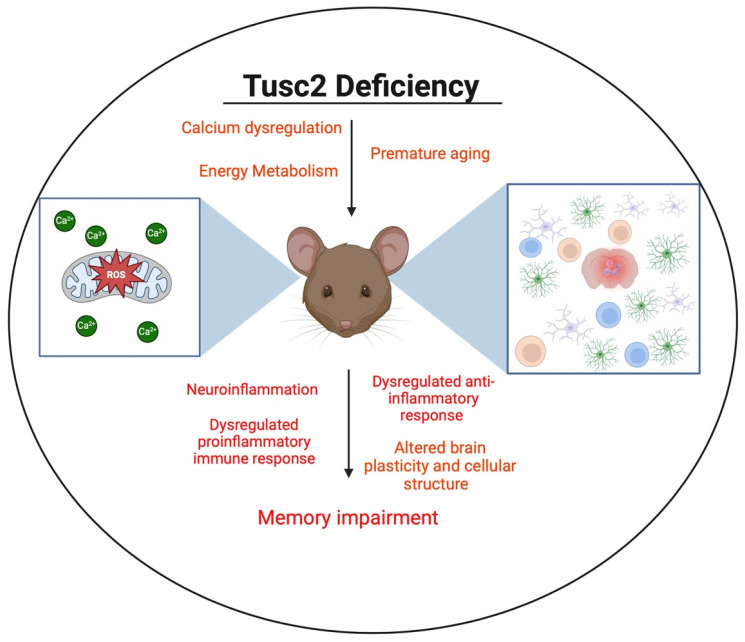 Figure 1
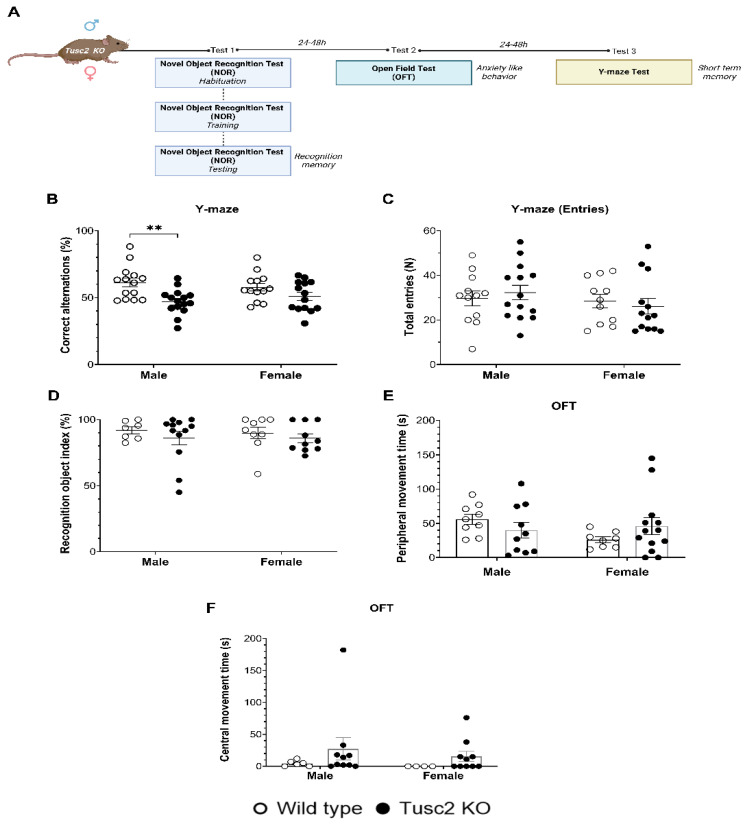 Figure 2
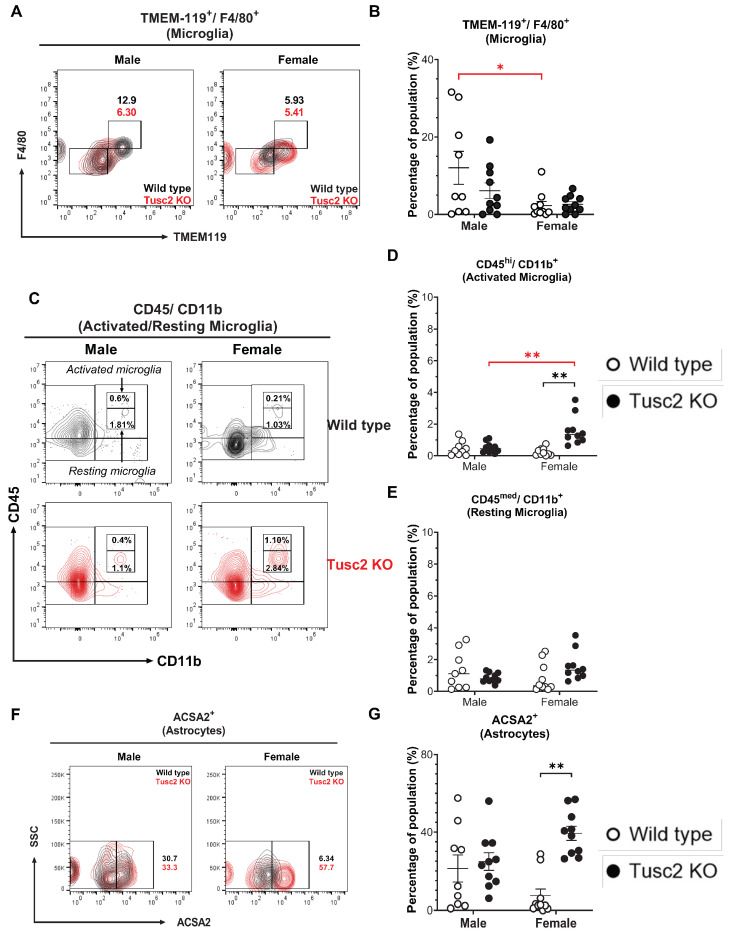 Figure 3
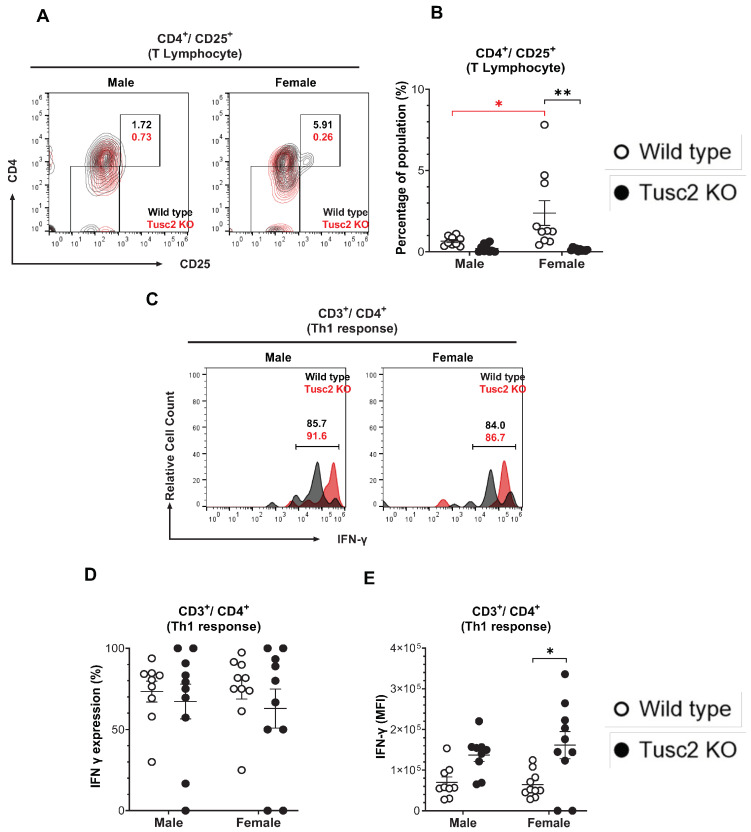 Figure 4
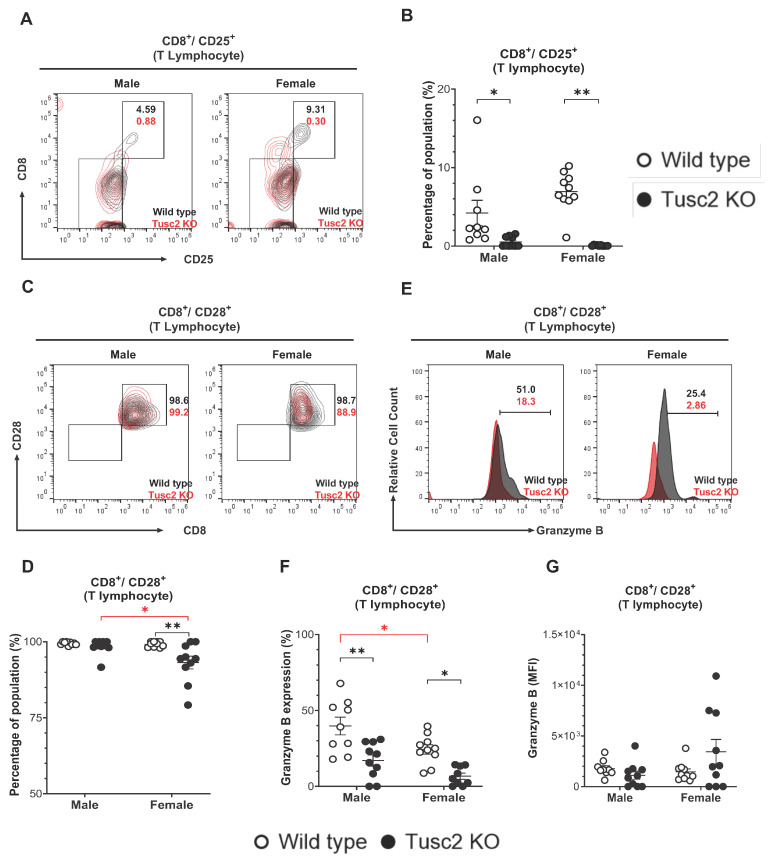 Figure 5
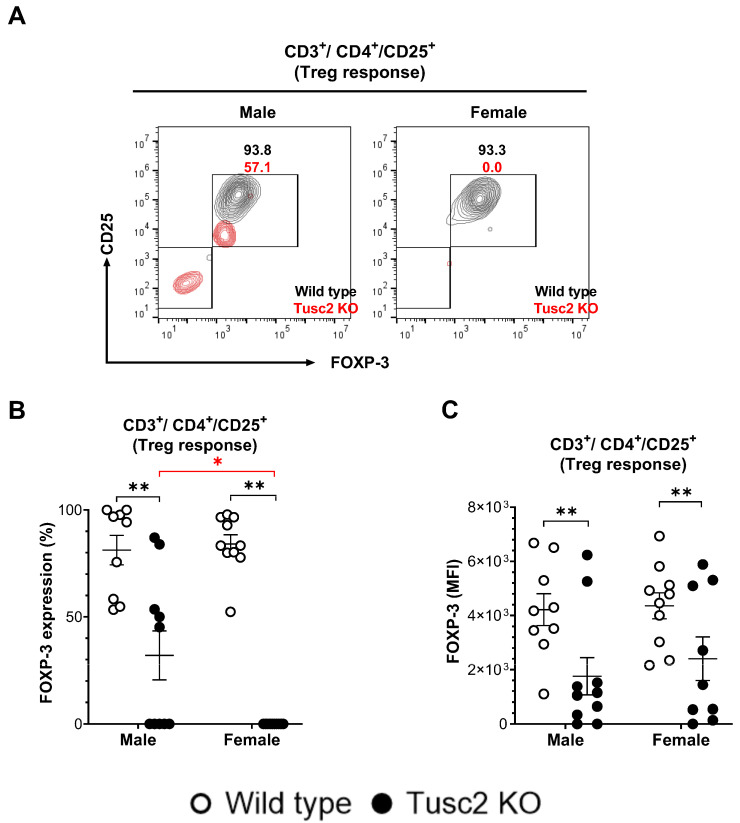 Figure 6
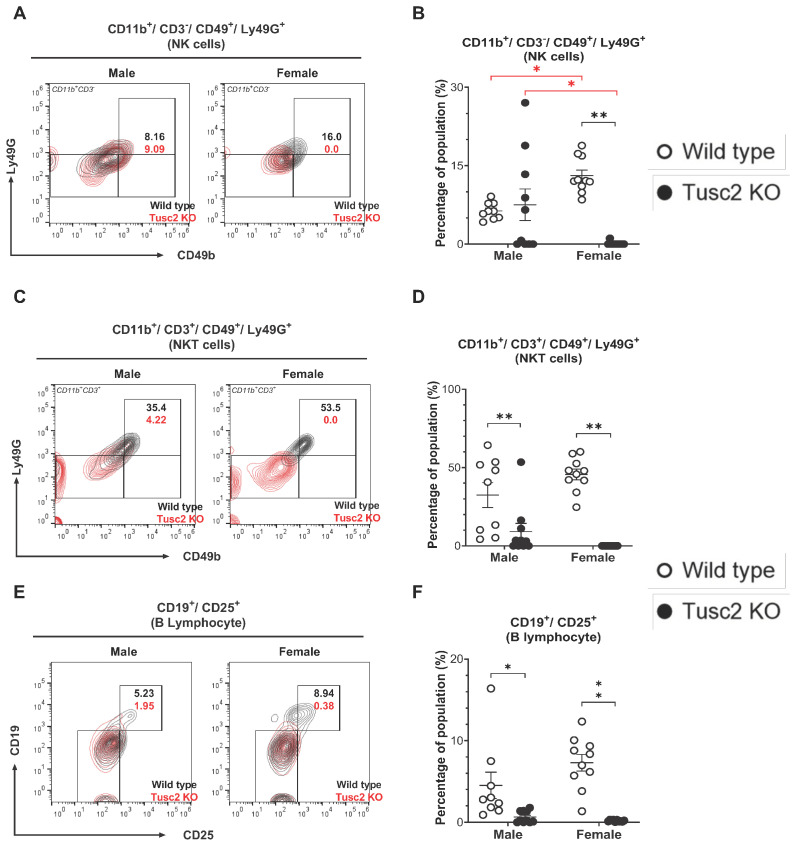 Figure 7
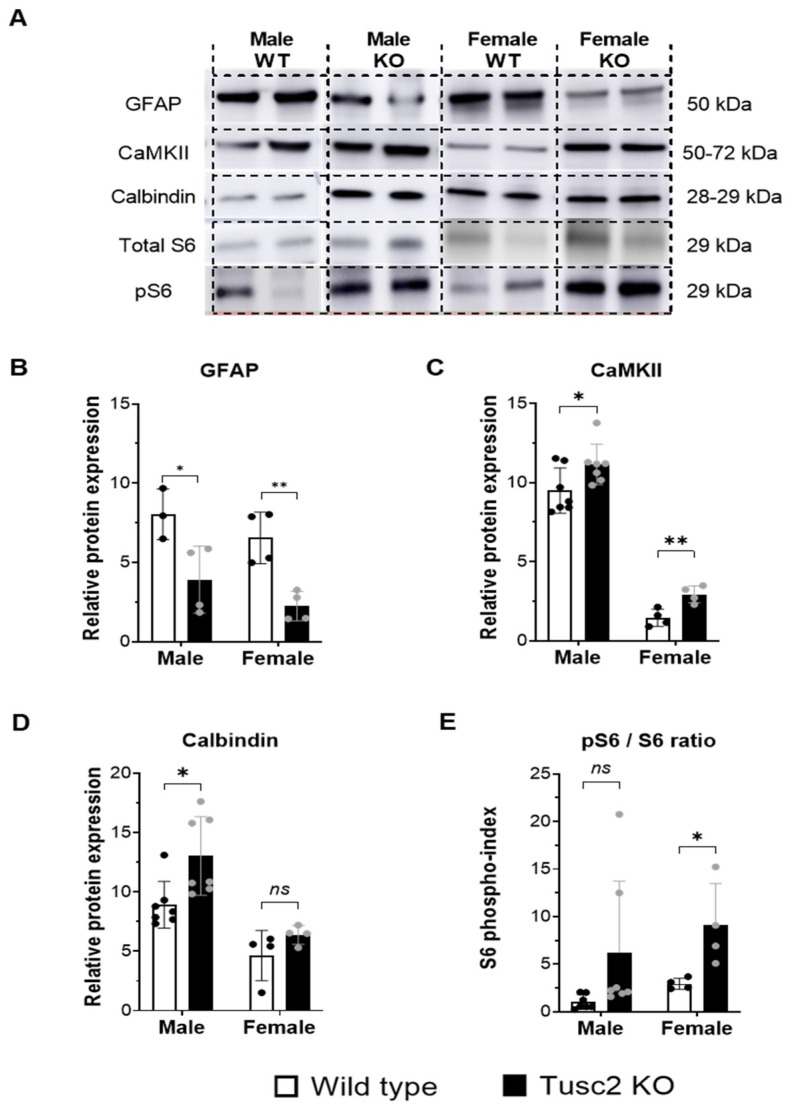 Figure 8
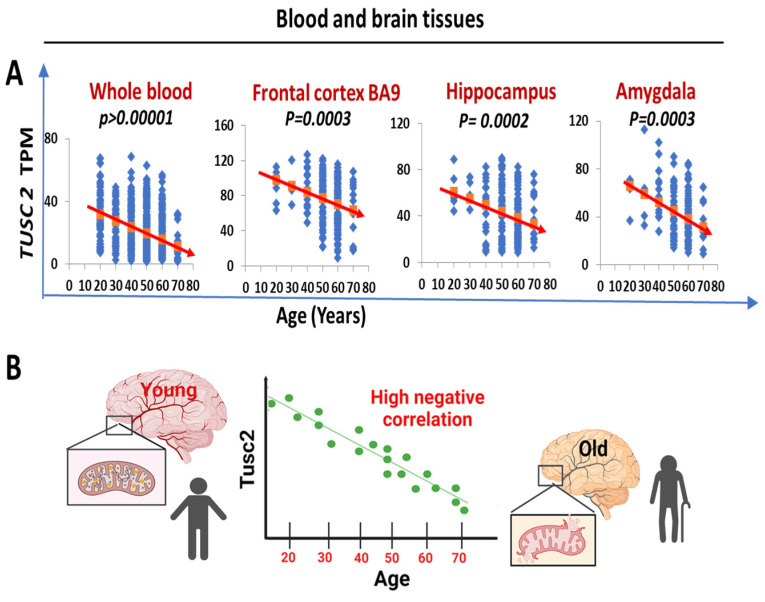 Figure 9
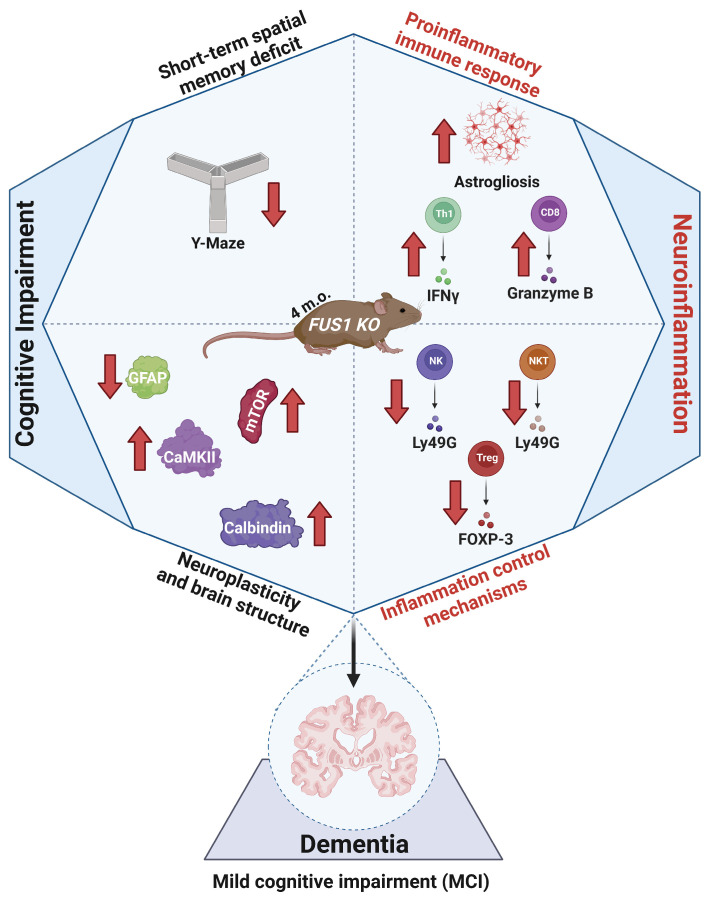 Figure 10
Peer Reviews
No public reviews on file for this paper yet. If you reviewed it on a platform where reviews are public (OpenReview, ICLR, NeurIPS, ICML), you can paste yours below so the community can read it here.
Videos
No videos yet. Explain this paper in a talk, walkthrough, or lecture? Add one.
Taxonomy
TopicsNeuroinflammation and Neurodegeneration Mechanisms · Immune Response and Inflammation · Immune cells in cancer