Apolipoprotein L3 inhibits breast cancer proliferation and modulates cell cycle via the P53 pathway
Hao Yu, Siyan Li, Xing Li, Yanbiao Liu, Zhaobu Wang, Mengyao Cui, Feng Jin, Xinmiao Yu

TL;DR
Apolipoprotein L3 (APOL3) suppresses breast cancer growth by interacting with YBX1 and modulating the P53 pathway, offering a potential therapeutic target.
Contribution
This study reveals APOL3 as a novel inhibitor of breast cancer proliferation through its interaction with YBX1 and the P53 pathway.
Findings
APOL3 is downregulated in breast cancer and its low expression correlates with poor prognosis.
APOL3 overexpression inhibits cancer cell proliferation and disrupts the cell cycle.
APOL3 interacts with YBX1, and this interaction is crucial for its tumor-suppressive effects.
Abstract
Background: Breast cancer is the second most common cause of cancer-related mortality globally. Apolipoprotein L3 (APOL3), a member of the apolipoprotein family, has been implicated in the pathogenesis of cardiovascular diseases. Nevertheless, the functions and underlying mechanisms of APOL3 in breast cancer have yet to be elucidated. Methods: The patient data were sourced from The Cancer Genome Atlas (TCGA) and Gene Expression Omnibus (GEO) database. Quantitative real-time PCR (qRT-PCR), western blotting, and immunohistochemistry (IHC) assays were used to assess expression of APOL3. Cell proliferation rates were determined by Cell Counting Kit-8 (CCK-8) and colony formation assays. Flow cytometry was used to examine cell cycle distribution. Western blotting was conducted to investigate the expression of cell cycle related proteins. A xenograft model was used to evaluate the effect of…
Genes, proteins, chemicals, diseases, species, mutations and cell lines named across the full text — each resolved to its canonical identifier and authoritative record.
Click any figure to enlarge with its caption.
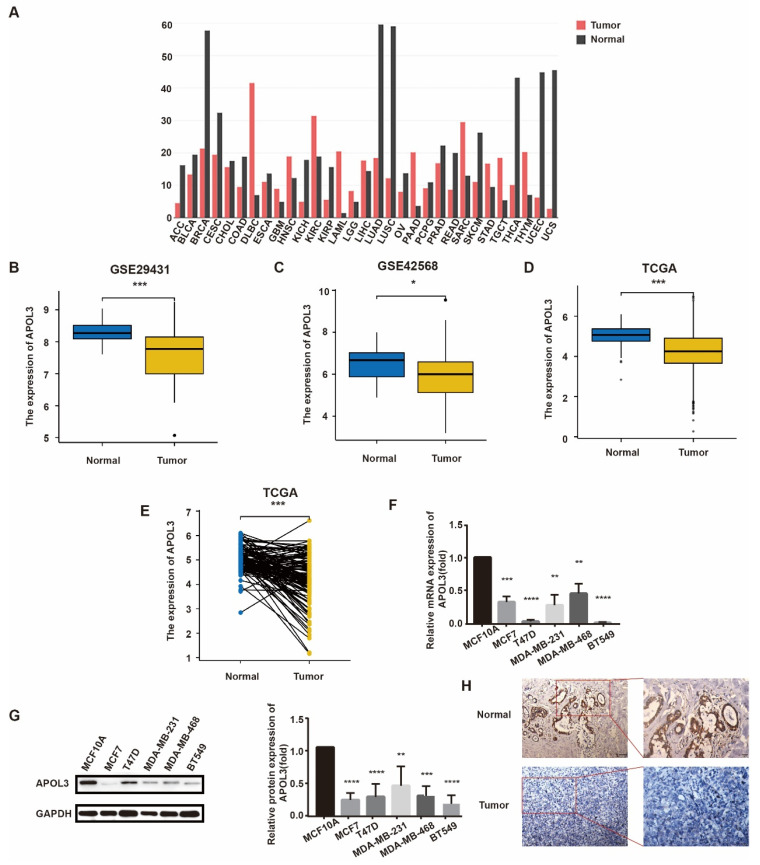 Figure 1
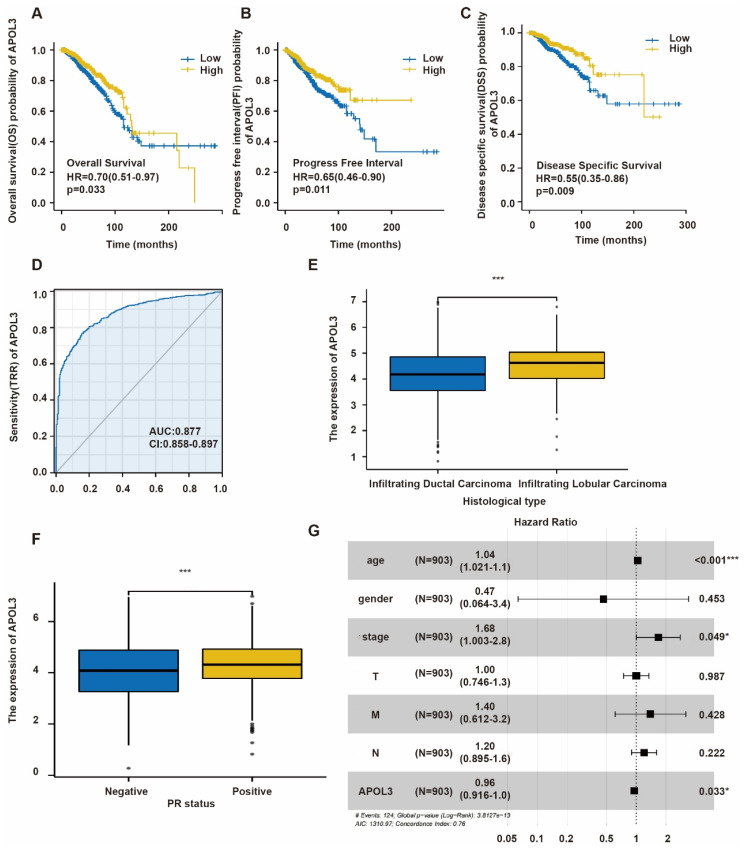 Figure 2
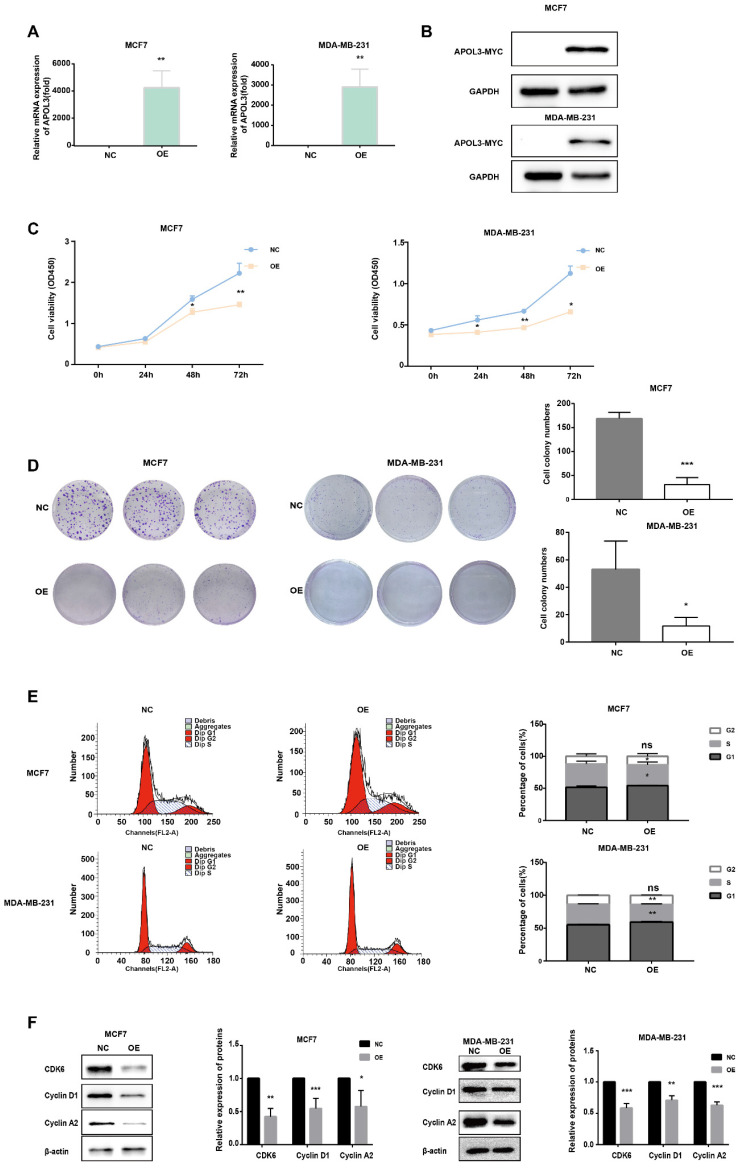 Figure 3
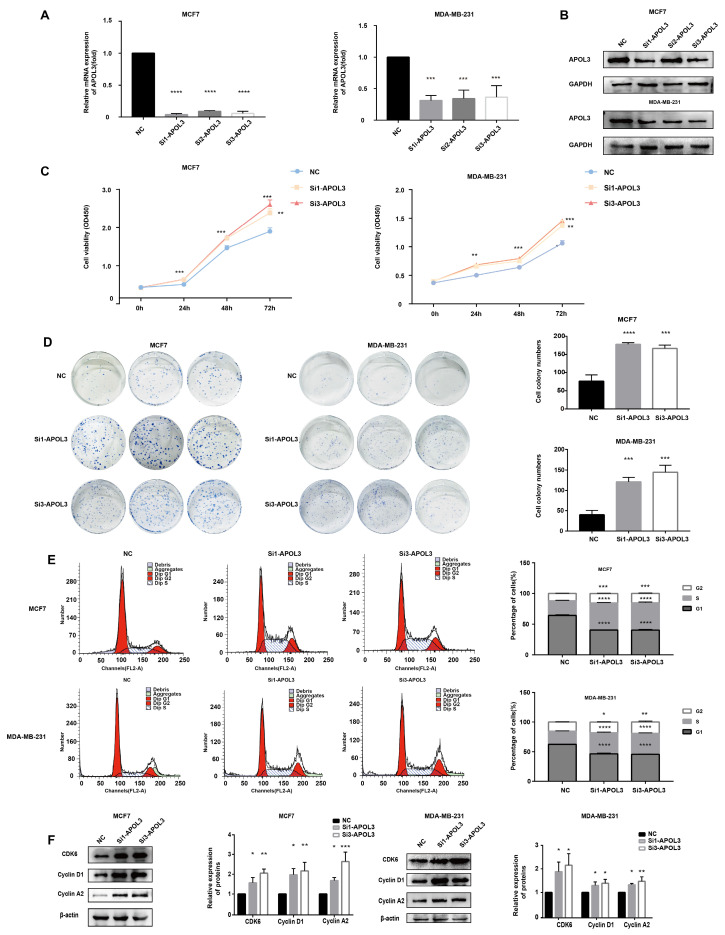 Figure 4
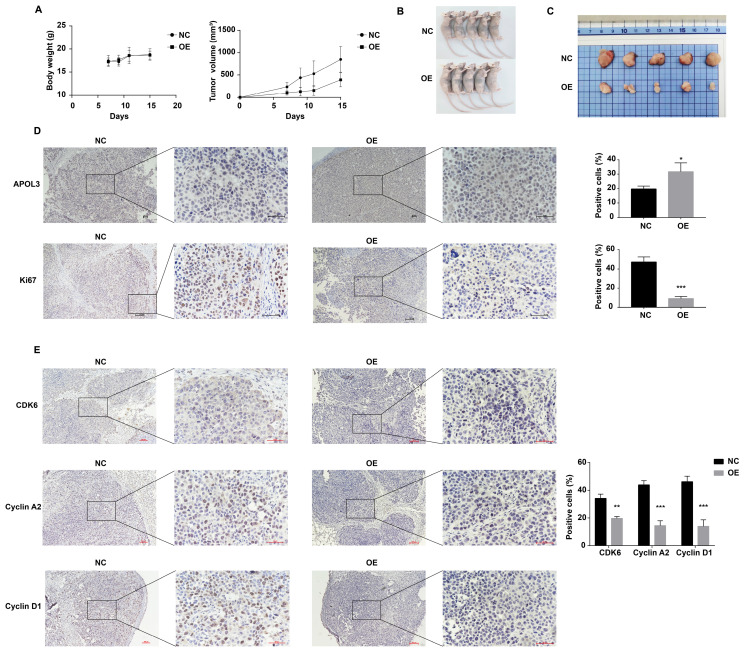 Figure 5
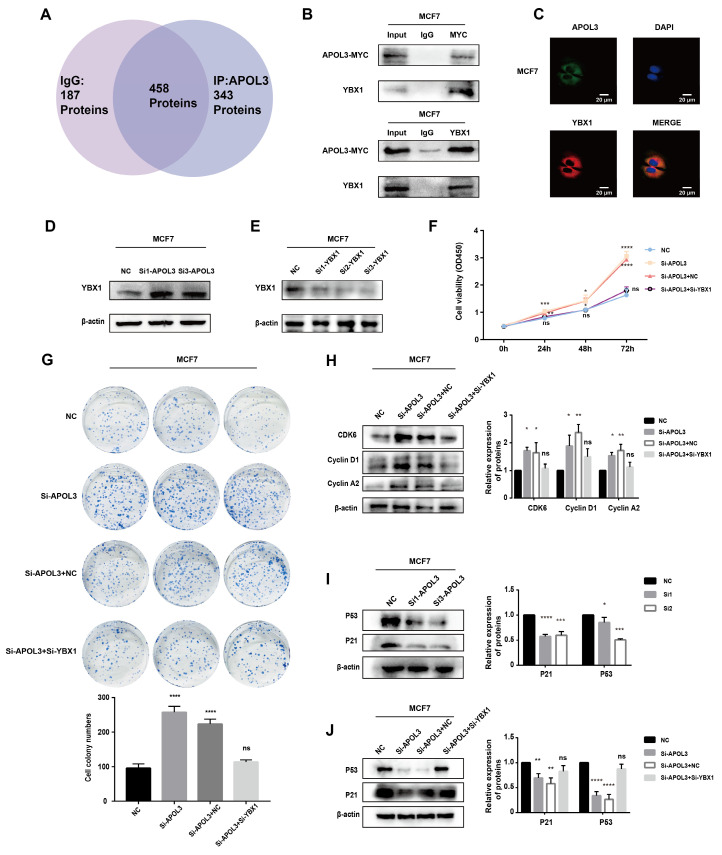 Figure 6
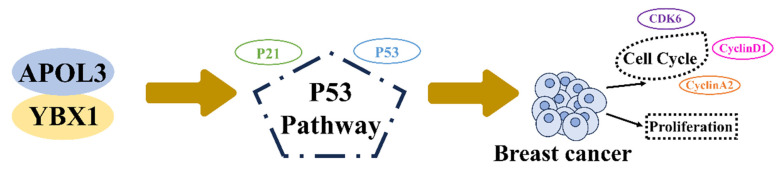 Figure 7
Peer Reviews
No public reviews on file for this paper yet. If you reviewed it on a platform where reviews are public (OpenReview, ICLR, NeurIPS, ICML), you can paste yours below so the community can read it here.
Videos
No videos yet. Explain this paper in a talk, walkthrough, or lecture? Add one.
Taxonomy
TopicsCancer, Lipids, and Metabolism · Lipid metabolism and disorders · Lipoproteins and Cardiovascular Health