Catalytic Stability of S-1-(4-Hydroxyphenyl)-Ethanol Dehydrogenase from Aromatoleum aromaticum
Mateusz Tataruch, Viera Illeová, Anna Kluza, Patrik Cabadaj, Milan Polakovič

TL;DR
This paper studies the stability and activity of an enzyme from a bacterium, showing how it can be used as a biocatalyst for various chemical reactions.
Contribution
The study identifies glucose as an effective stabilizer for the enzyme and confirms its first-order inactivation mechanism at pH 9.0.
Findings
Glucose slows down enzyme inactivation and aggregation across pH and temperature ranges.
S-HPED shows high stereospecificity for 10 prochiral carbonyl compounds.
The enzyme's inactivation follows a first-order mechanism at pH 9.0.
Abstract
Derived from the denitrifying bacterium Aromatoleum aromaticum EbN1 (Azoarcus sp.), the enzyme S-1-(4-hydroxyphenyl)-ethanol dehydrogenase (S-HPED) belongs to the short-chain dehydrogenase/reductase family. Using research techniques like UV-Vis spectroscopy, dynamic light scattering, thermal-shift assay and HPLC, we investigated the catalytic and structural stability of S-HPED over a wide temperature range and within the pH range of 5.5 to 9.0 under storage and reaction conditions. The relationship between aggregation and inactivation of the enzyme in various pH environments was also examined and interpreted. At pH 9.0, where the enzyme exhibited no aggregation, we characterized thermally induced enzyme inactivation. Through isothermal and multitemperature analysis of inactivation data, we identified and confirmed the first-order inactivation mechanism under these pH conditions and…
Genes, proteins, chemicals, diseases, species, mutations and cell lines named across the full text — each resolved to its canonical identifier and authoritative record.
Click any figure to enlarge with its caption.
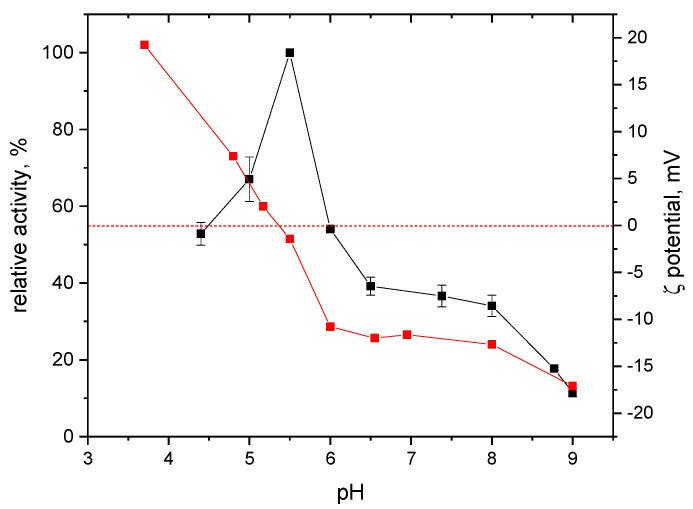 Figure 1
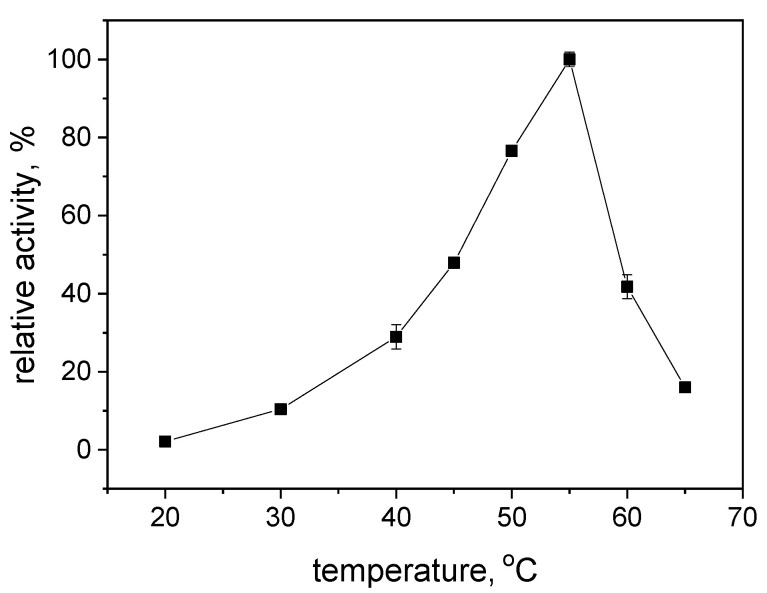 Figure 2
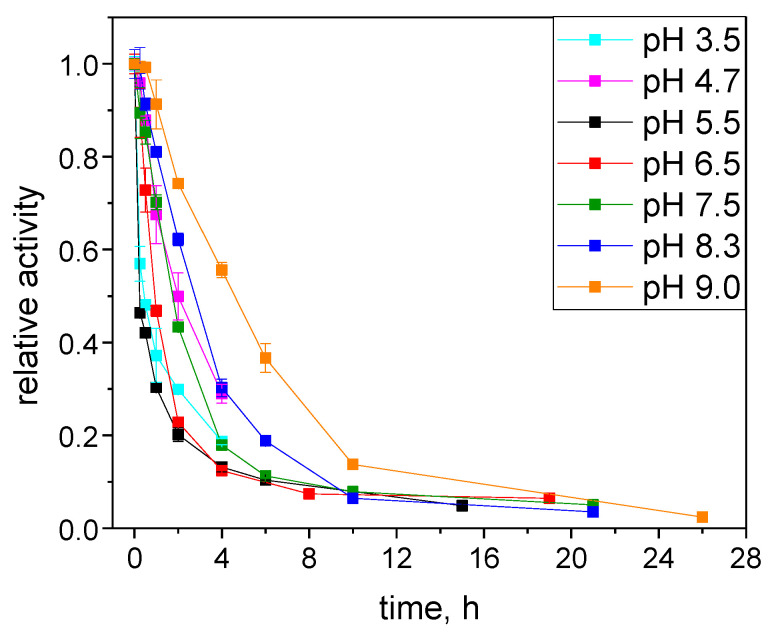 Figure 3
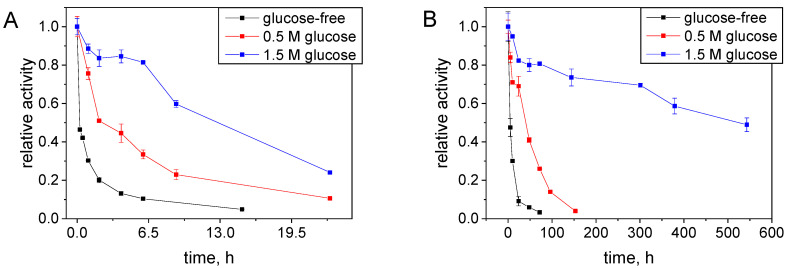 Figure 4
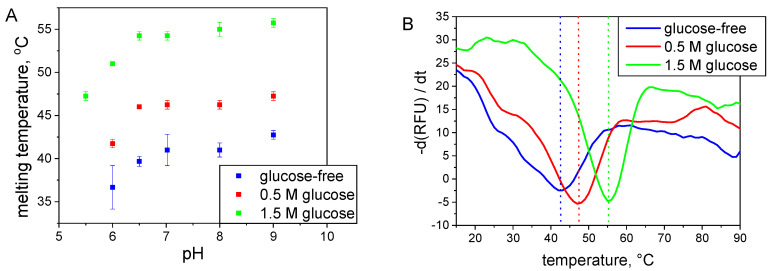 Figure 5
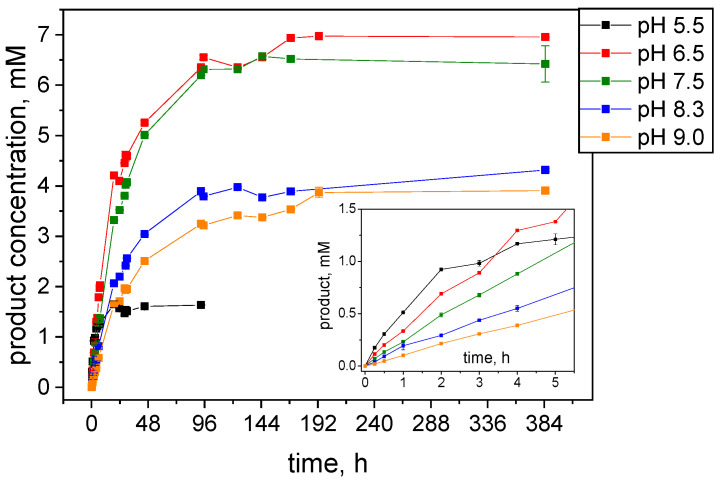 Figure 6
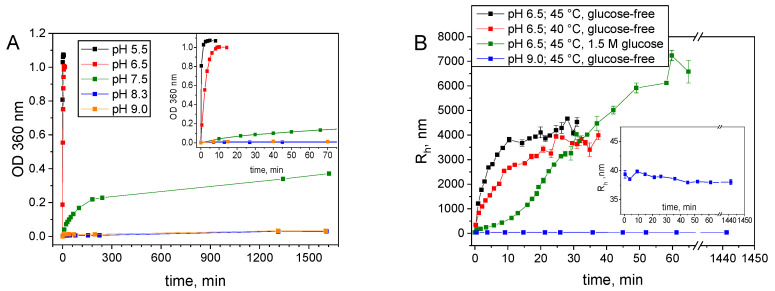 Figure 7
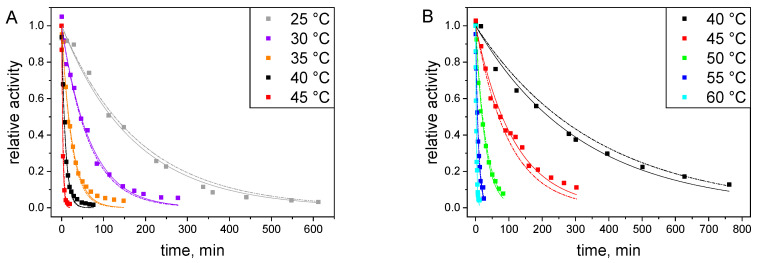 Figure 8
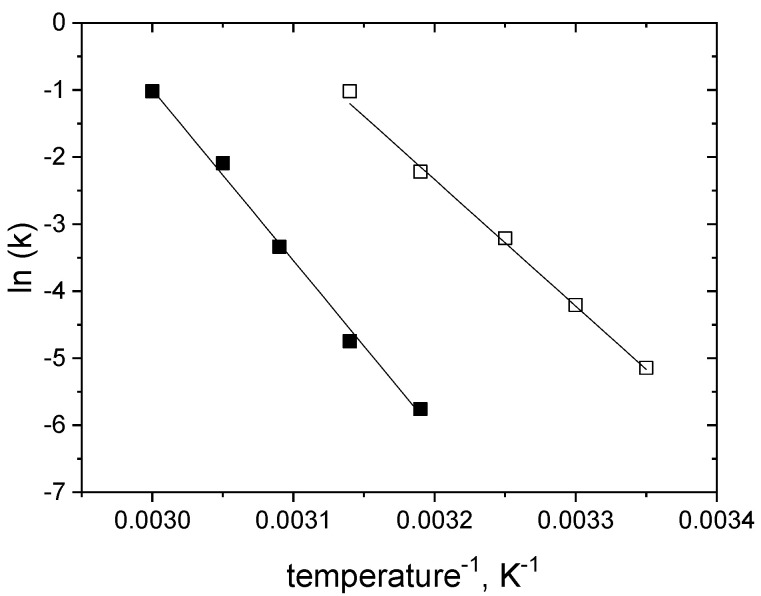 Figure 9
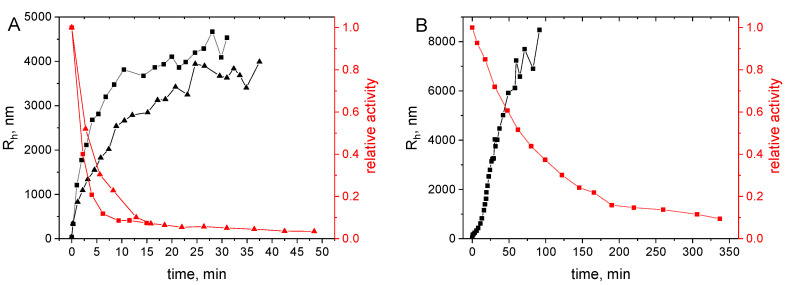 Figure 10
Peer Reviews
No public reviews on file for this paper yet. If you reviewed it on a platform where reviews are public (OpenReview, ICLR, NeurIPS, ICML), you can paste yours below so the community can read it here.
Videos
No videos yet. Explain this paper in a talk, walkthrough, or lecture? Add one.
Taxonomy
TopicsEnzyme Catalysis and Immobilization · Microbial Metabolic Engineering and Bioproduction · Biofuel production and bioconversion