Current Status and Trends of Low-Temperature Steel Used in Polar Regions
Qiaoling Xiao, Yaozhou Xie, Feng Hu, Chengyang Hu

TL;DR
This paper reviews the development of low-temperature steel for polar regions, focusing on challenges like toughness and corrosion.
Contribution
A comprehensive analysis of global progress and future trends in polar low-temperature steel development.
Findings
Low-temperature toughness remains a major challenge for steel in polar environments.
Seawater corrosion significantly impacts the durability of marine steel in polar regions.
Future trends emphasize improving material performance under extreme polar conditions.
Abstract
The desire to explore the natural resources and geopolitical patterns of the North and South Poles has significantly increased the interest of experts and researchers in the development and utilization of the polar regions. In this article, we comprehensively analyzed the current state of the development of polar low-temperature steel around the world. We highlighted the challenges that must be addressed in the ongoing development efforts and summarized the expected future trends in this field. The main theme of this article involves the challenges encountered in polar environments primarily caused by the low-temperature toughness and seawater corrosion of marine steel.
Genes, proteins, chemicals, diseases, species, mutations and cell lines named across the full text — each resolved to its canonical identifier and authoritative record.
Click any figure to enlarge with its caption.
 Figure 1
 Figure 2
 Figure 3
 Figure 4
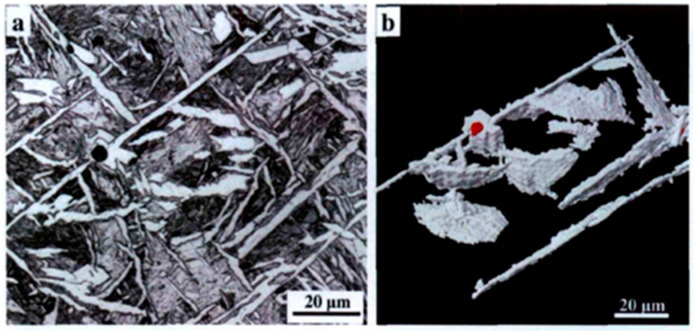 Figure 5
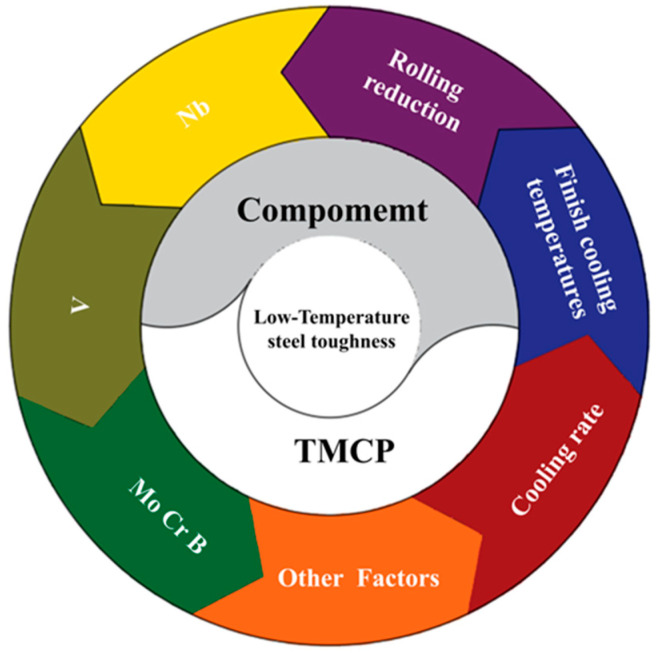 Figure 6
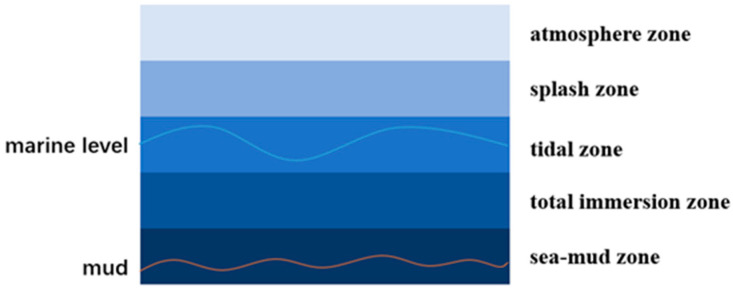 Figure 7
Peer Reviews
No public reviews on file for this paper yet. If you reviewed it on a platform where reviews are public (OpenReview, ICLR, NeurIPS, ICML), you can paste yours below so the community can read it here.
Videos
No videos yet. Explain this paper in a talk, walkthrough, or lecture? Add one.
Taxonomy
TopicsAquatic Invertebrate Ecology and Behavior · Subterranean biodiversity and taxonomy