The potential presence of infection may be indicated through non-invasive prediction of procalcitonin and C-reactive protein levels within the initial three days after cervical cerclage: a retrospective case-control study
Xiucong Fan, Yabin Ma, Yunxia Zhu, Weijun Tang, Xiaohui Dong, Ming Liu

TL;DR
This study found that elevated procalcitonin and C-reactive protein levels in the first three days after cervical cerclage may indicate a potential infection, suggesting the need for close monitoring.
Contribution
The study identifies specific non-invasive infection indicators and optimal monitoring days after cervical cerclage to detect potential infections.
Findings
Procalcitonin levels on day 1 and 3 after cervical cerclage showed significant differences between infected and uninfected groups.
C-reactive protein levels were significantly higher in the infected group on day 1 and 3.
CRP and CRP-PCT showed moderate diagnostic accuracy on day 1 in the preventive cervical cerclage group.
Abstract
To identify which non-invasive infection indicators could better predict post-cervical cerclage (CC) infections, and on which days after CC infection indicators should be closely monitored. The retrospective, single-center study included 619 single-pregnancy patients from January 2021 to December 2022. Patients were categorized into infected and uninfected groups based on physicians’ judgments of post-CC infections. Registered information included patient characteristics, cervical insufficiency history, gestational age at CC, surgical method (McDonald/Shirodkar), purpose of CC, mid-pregnancy miscarriage/preterm birth, infection history or risk factors, and infection indices on days 1, 3, 5, and 7 after CC. Propensity score matching (PSM) was applied to reduce patient characteristic bias. Statistical analysis of C-reactive protein (CRP), white blood cell (WBC), neutrophil count (NEU),…
Genes, proteins, chemicals, diseases, species, mutations and cell lines named across the full text — each resolved to its canonical identifier and authoritative record.
Click any figure to enlarge with its caption.
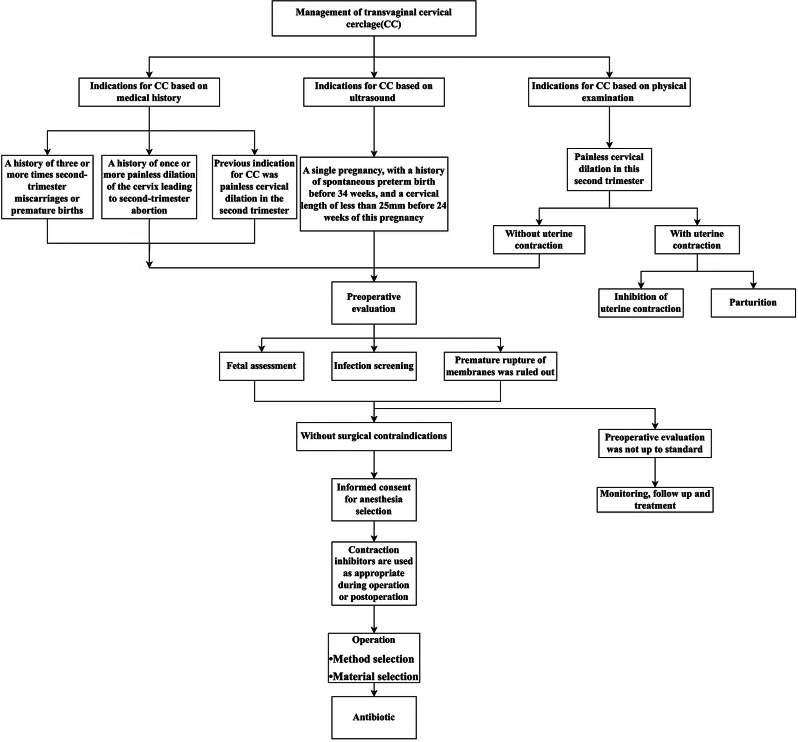 Figure 1
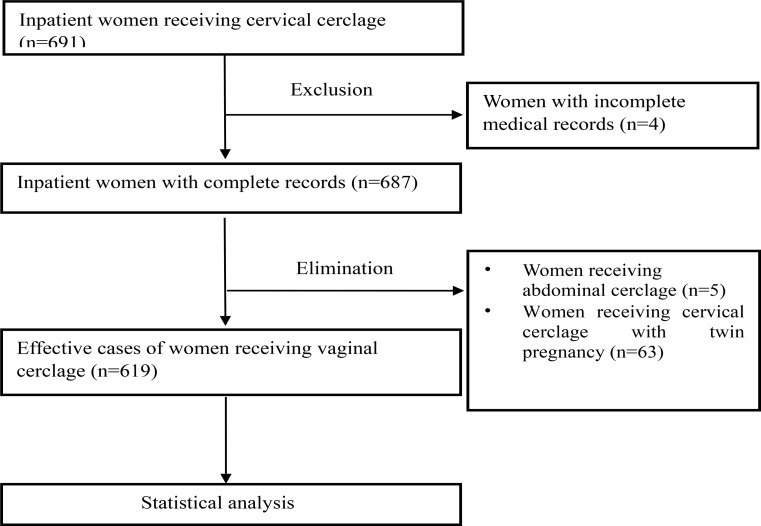 Figure 2
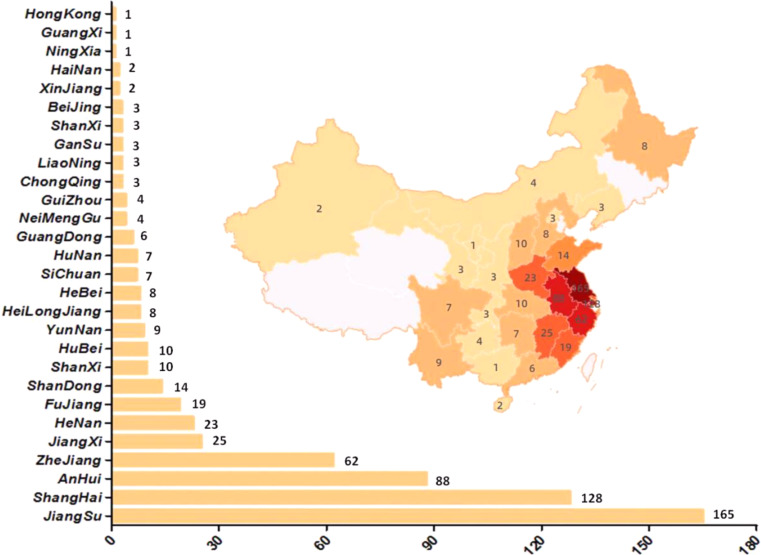 Figure 3
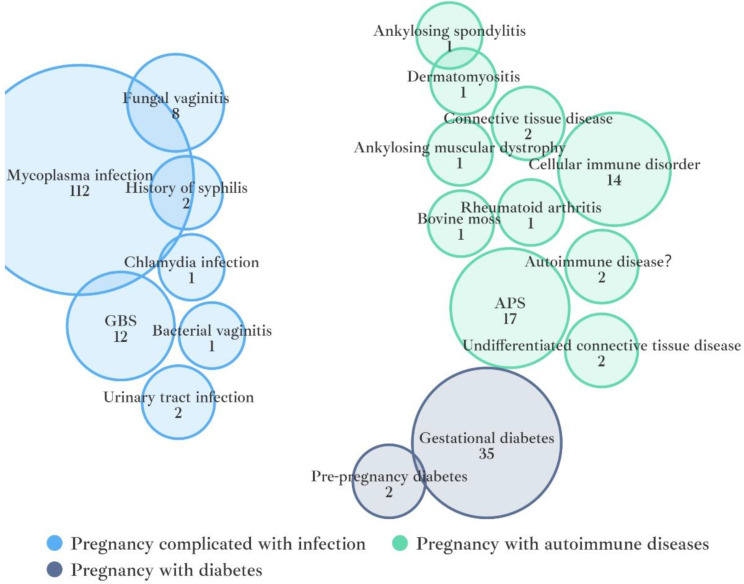 Figure 4
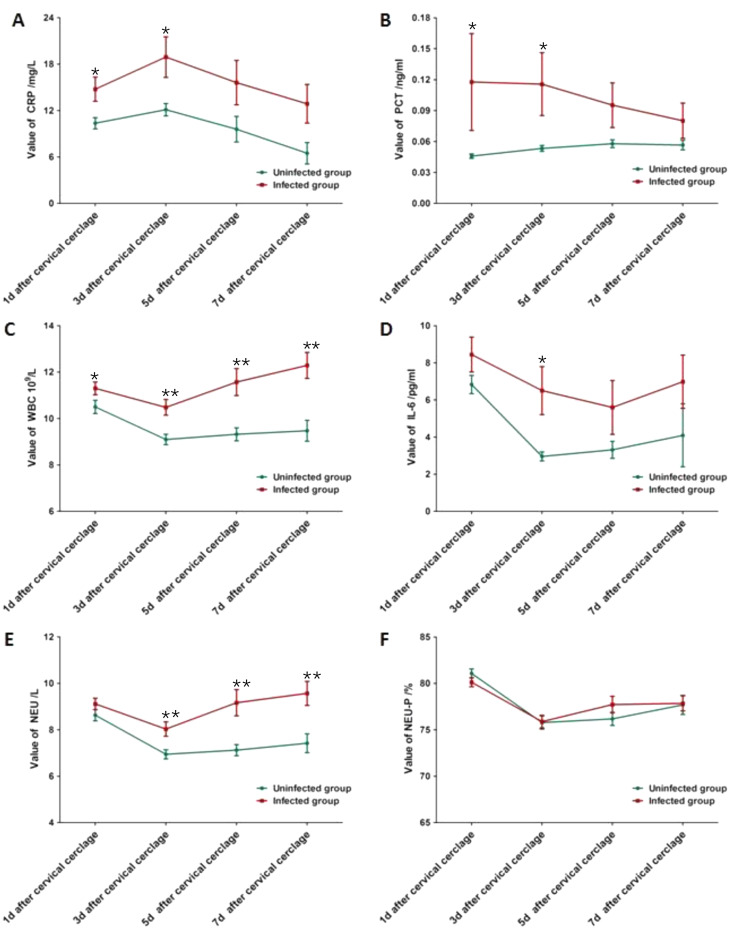 Figure 5
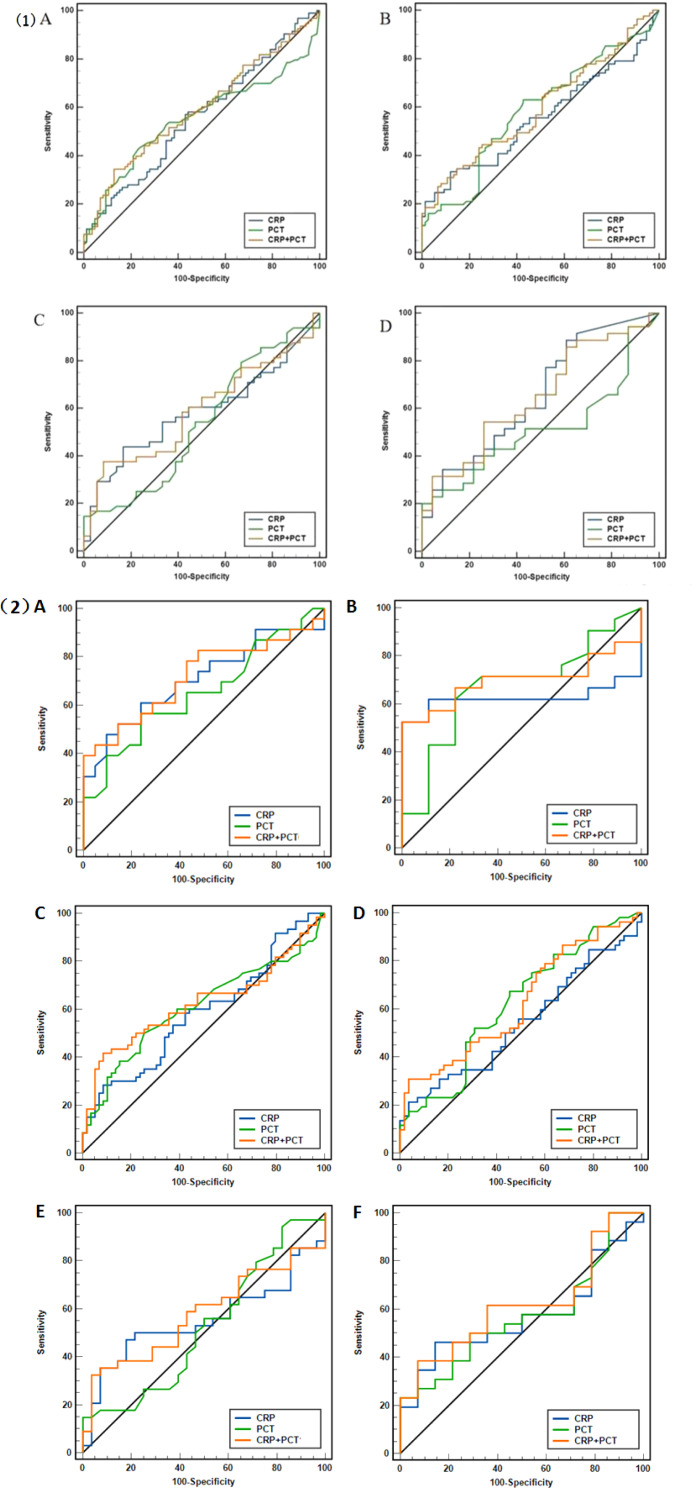 Figure 6
Peer Reviews
No public reviews on file for this paper yet. If you reviewed it on a platform where reviews are public (OpenReview, ICLR, NeurIPS, ICML), you can paste yours below so the community can read it here.
Videos
No videos yet. Explain this paper in a talk, walkthrough, or lecture? Add one.
Taxonomy
TopicsMedical and Biological Sciences