Association between neural prosody discrimination and language abilities in toddlers: a functional near-infrared spectroscopy study
YanRu Guo, YanWei Li, FuLin Liu, HuanXi Lin, YuYing Sun, JiaLin Zhang, Qin Hong, MengMeng Yao, Xia Chi

TL;DR
This study shows that toddlers' brain activity related to prosody discrimination is linked to their language abilities, suggesting it could help identify language delays early.
Contribution
The study introduces fNIRS-based neural prosody discrimination as a potential objective tool for early detection of language delay in toddlers.
Findings
Full-term toddlers showed prosody discrimination in most channels, while preterm toddlers only in channel 6.
Prosody discrimination in the right angular gyrus significantly predicted language delay in full-term toddlers.
An fNIRS-based model predicted language delay in preterm toddlers with an ROC area of 0.687.
Abstract
Language delay affects near- and long-term social communication and learning in toddlers, and, an increasing number of experts pay attention to it. The development of prosody discrimination is one of the earliest stages of language development in which key skills for later stages are mastered. Therefore, analyzing the relationship between brain discrimination of speech prosody and language abilities may provide an objective basis for the diagnosis and intervention of language delay. In this study, all cases(n = 241) were enrolled from a tertiary women’s hospital, from 2021 to 2022. We used functional near-infrared spectroscopy (fNIRS) to assess children’s neural prosody discrimination abilities, and a Chinese communicative development inventory (CCDI) were used to evaluate their language abilities. Ninety-eight full-term and 108 preterm toddlers were included in the final analysis in…
Genes, proteins, chemicals, diseases, species, mutations and cell lines named across the full text — each resolved to its canonical identifier and authoritative record.
Click any figure to enlarge with its caption.
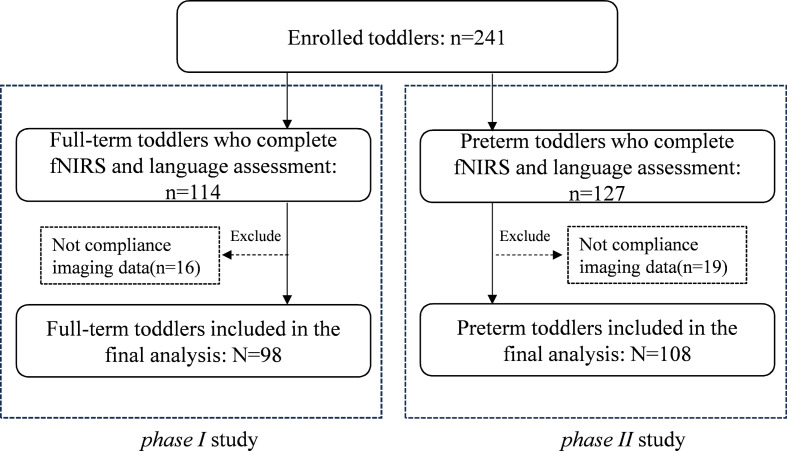 Figure 1
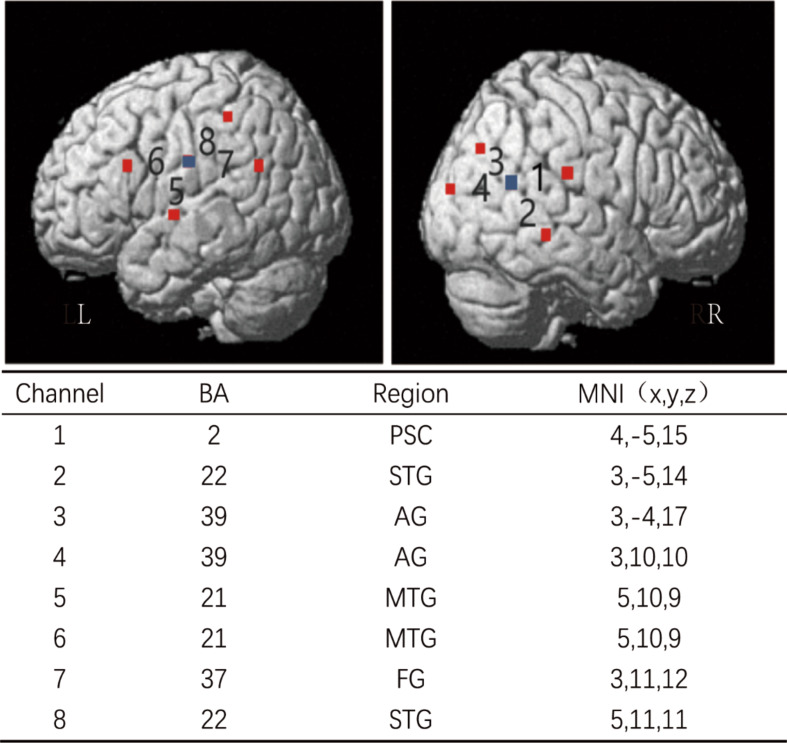 Figure 2
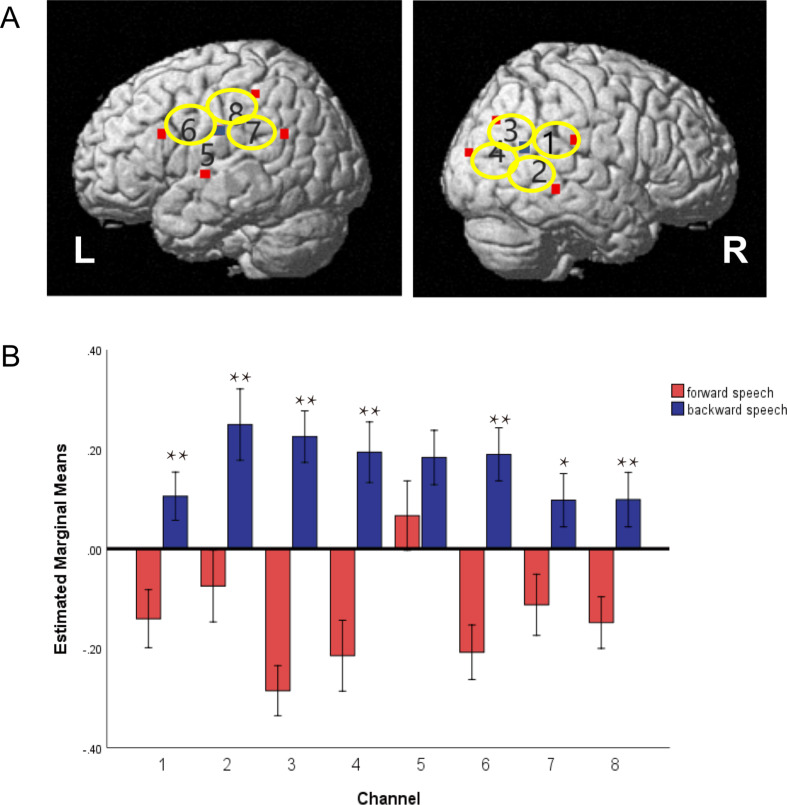 Figure 3
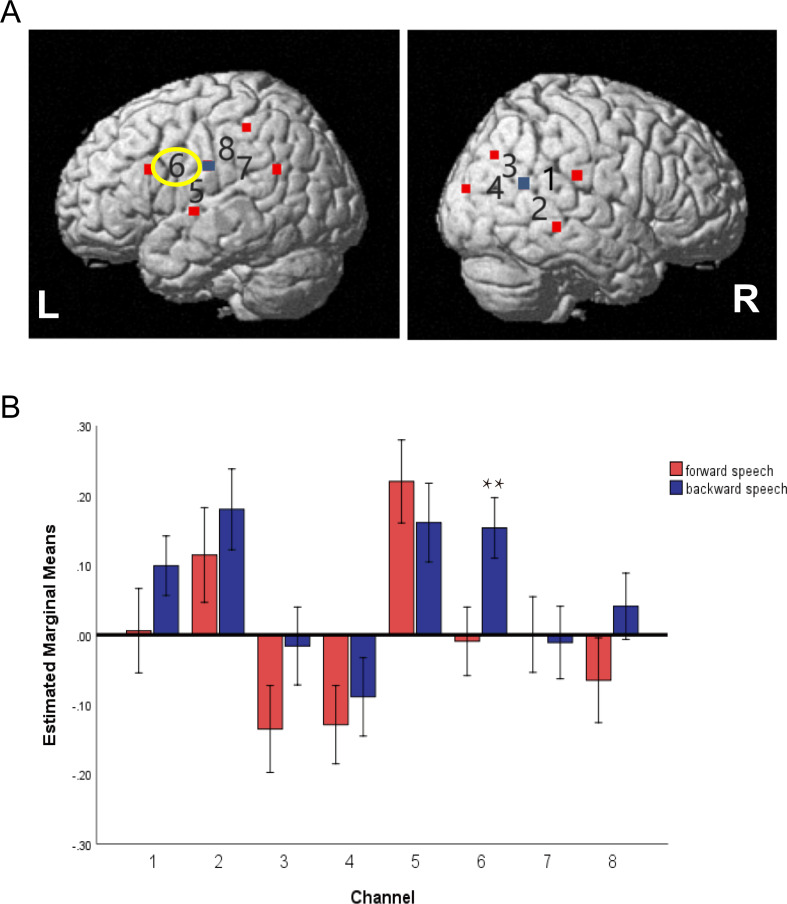 Figure 4
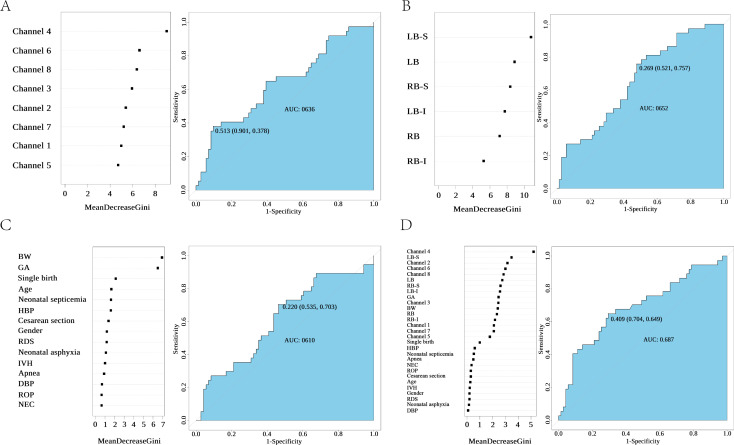 Figure 5
Peer Reviews
No public reviews on file for this paper yet. If you reviewed it on a platform where reviews are public (OpenReview, ICLR, NeurIPS, ICML), you can paste yours below so the community can read it here.
Videos
No videos yet. Explain this paper in a talk, walkthrough, or lecture? Add one.
Taxonomy
TopicsInfant Development and Preterm Care · Neonatal and fetal brain pathology · Optical Imaging and Spectroscopy Techniques