AC-ModNet: Molecular Reverse Design Network Based on Attribute Classification
Wei Wei, Jun Fang, Ning Yang, Qi Li, Lin Hu, Lanbo Zhao, Jie Han

TL;DR
This paper introduces AC-ModNet, a new machine learning model that can generate drug-like molecules with specific properties, improving drug design.
Contribution
The novel AC-ModNet model combines VAE and AC-GAN to generate molecules with specific attribute intervals.
Findings
AC-ModNet outperforms existing models in FCD and Frag evaluation metrics.
Molecules generated by AC-ModNet show potential application value in drug design.
The model is trained and evaluated using the 250K ZINC dataset.
Abstract
Deep generative models are becoming a tool of choice for exploring the molecular space. One important application area of deep generative models is the reverse design of drug compounds for given attributes (solubility, ease of synthesis, etc.). Although there are many generative models, these models cannot generate specific intervals of attributes. This paper proposes a AC-ModNet model that effectively combines VAE with AC-GAN to generate molecular structures in specific attribute intervals. The AC-ModNet is trained and evaluated using the open 250K ZINC dataset. In comparison with related models, our method performs best in the FCD and Frag model evaluation indicators. Moreover, we prove the AC-ModNet created molecules have potential application value in drug design by comparing and analyzing them with medical records in the PubChem database. The results of this paper will provide a…
Genes, proteins, chemicals, diseases, species, mutations and cell lines named across the full text — each resolved to its canonical identifier and authoritative record.
Click any figure to enlarge with its caption.
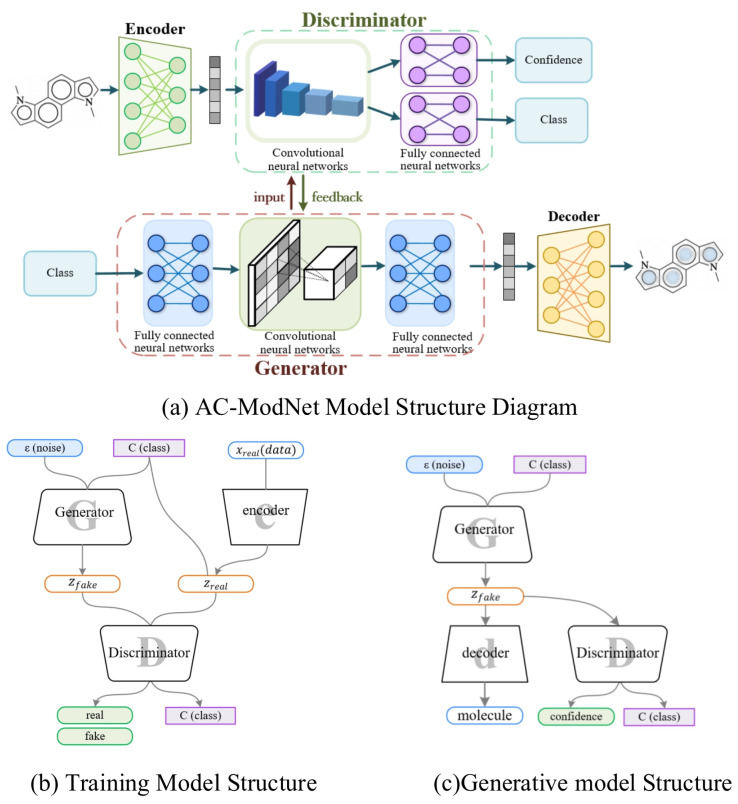 Figure 1
 Figure 2
 Figure 3
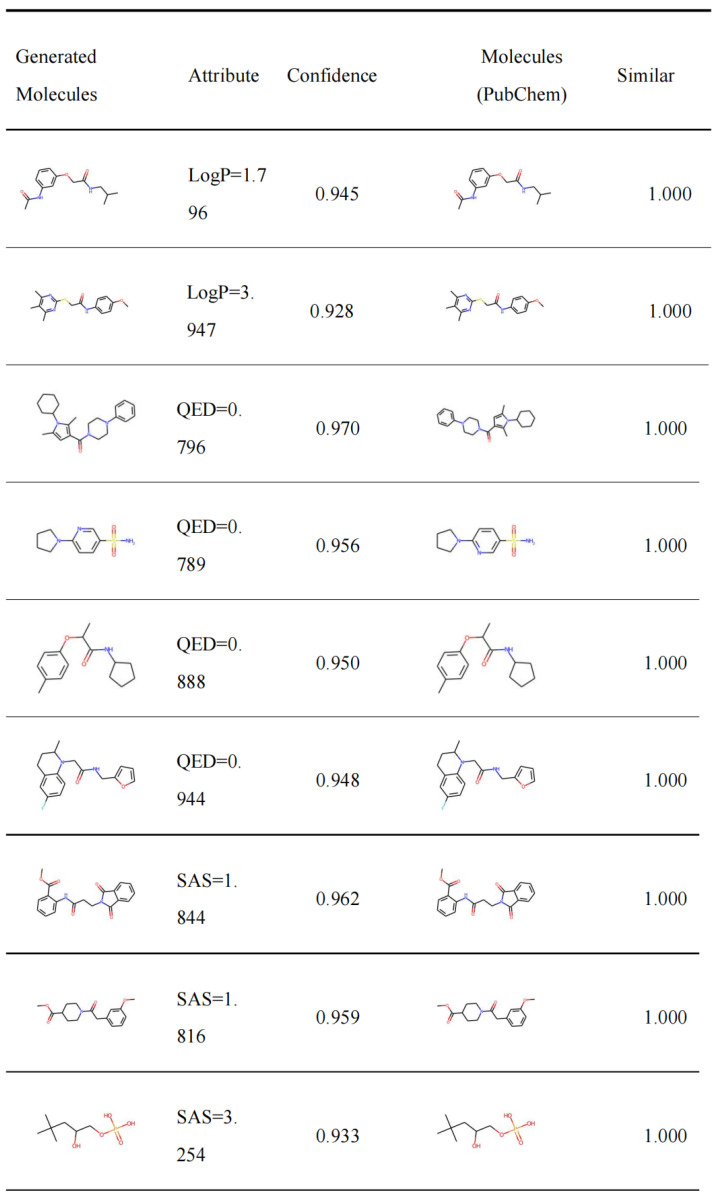 Figure 4
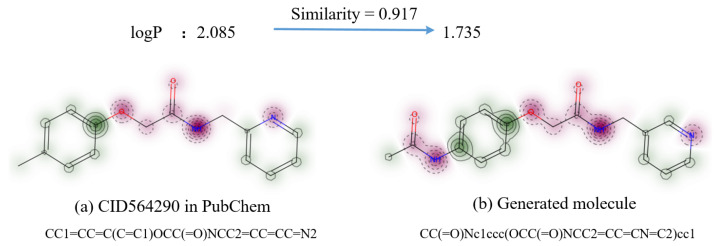 Figure 5
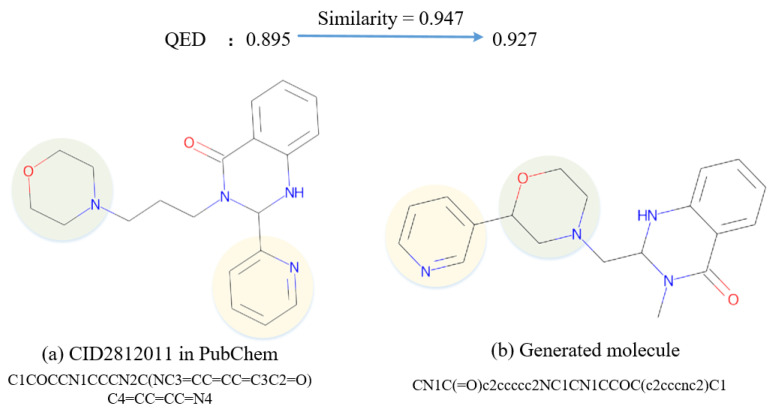 Figure 6
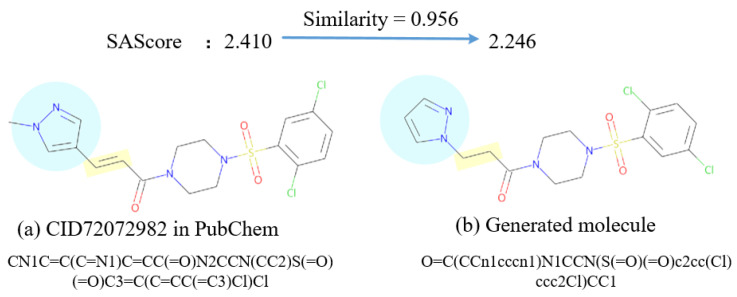 Figure 7
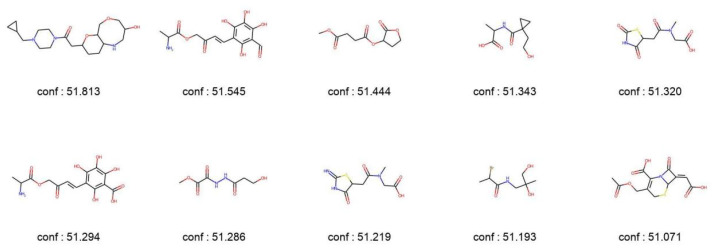 Figure 8
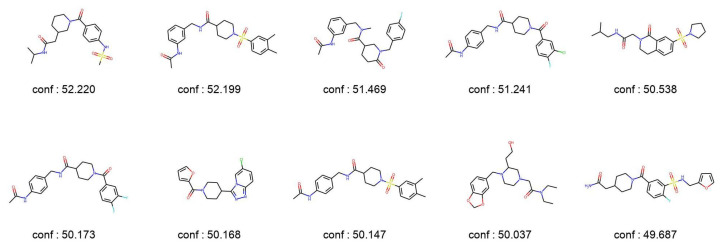 Figure 9
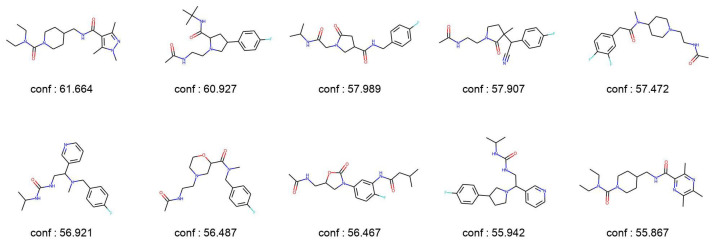 Figure 10
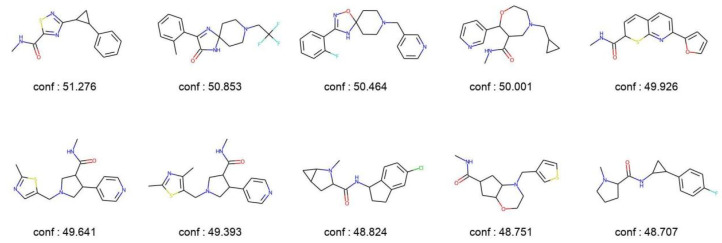 Figure 11
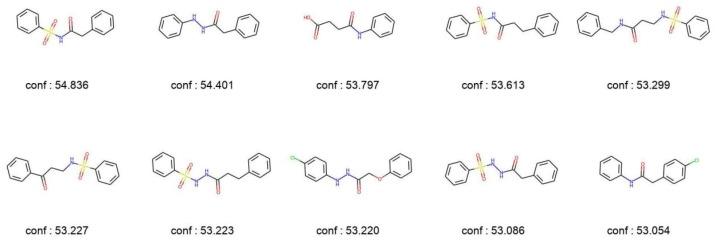 Figure 12
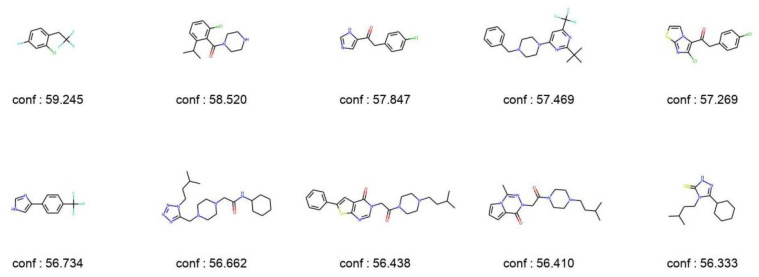 Figure 13
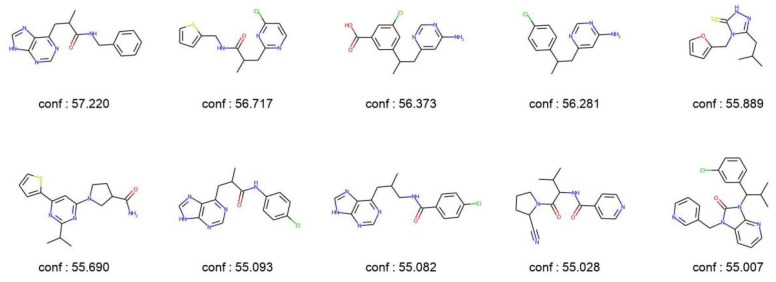 Figure 14
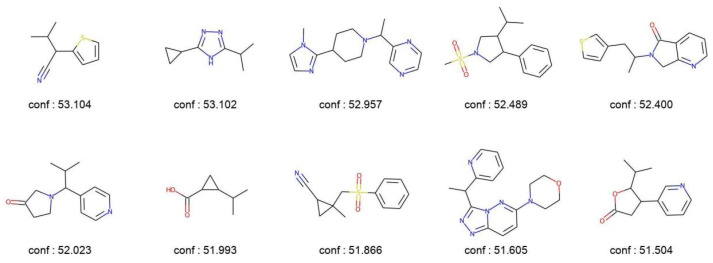 Figure 15
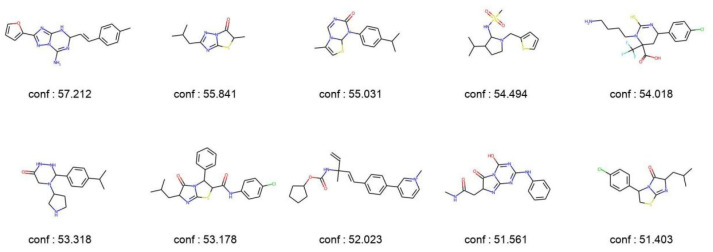 Figure 16
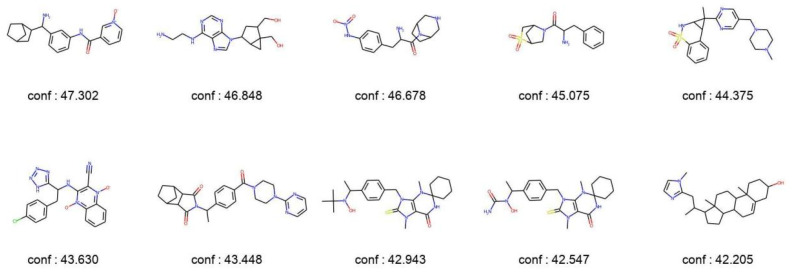 Figure 17
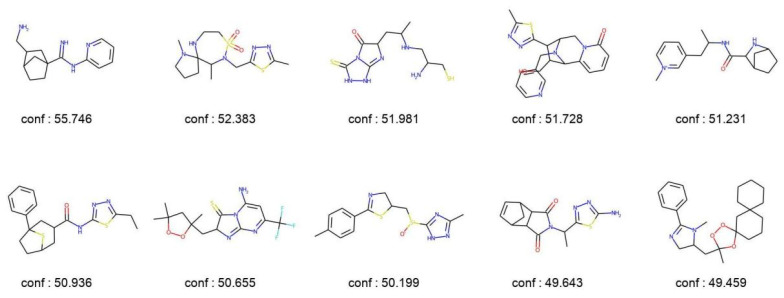 Figure 18
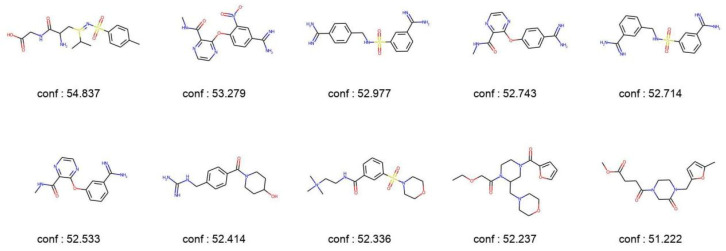 Figure 19
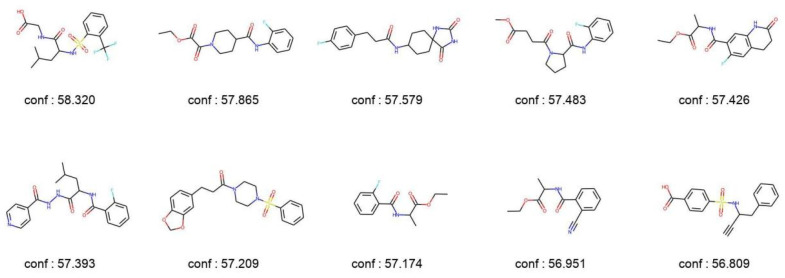 Figure 20
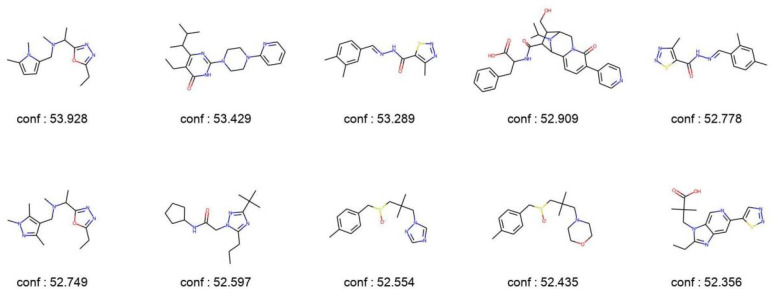 Figure 21
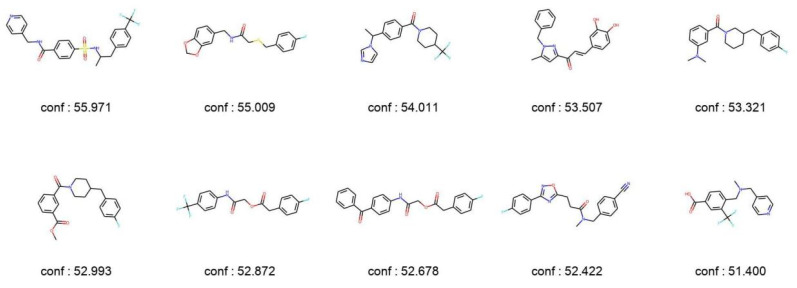 Figure 22
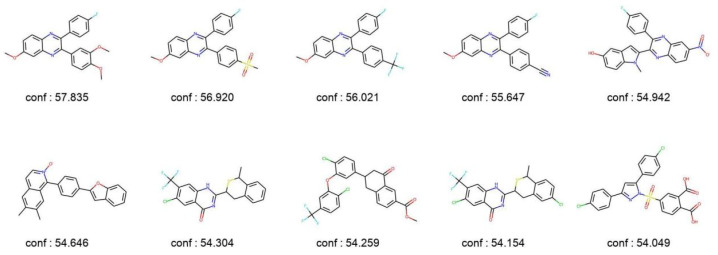 Figure 23
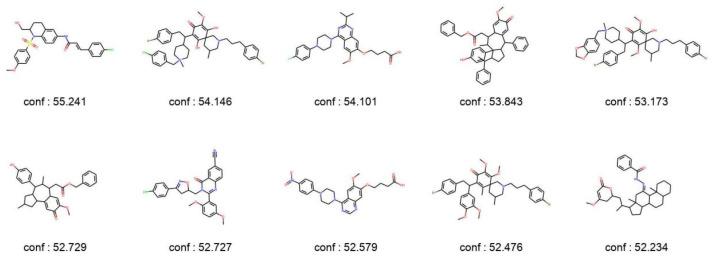 Figure 24
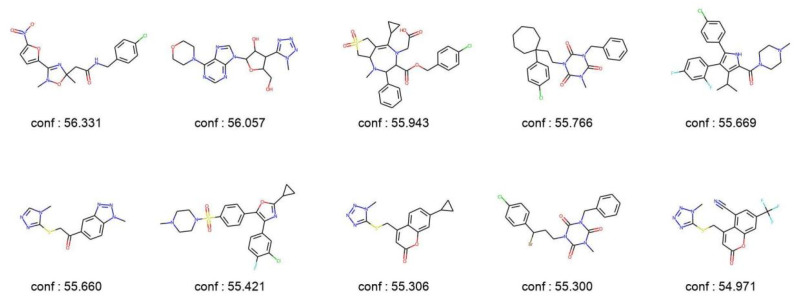 Figure 25
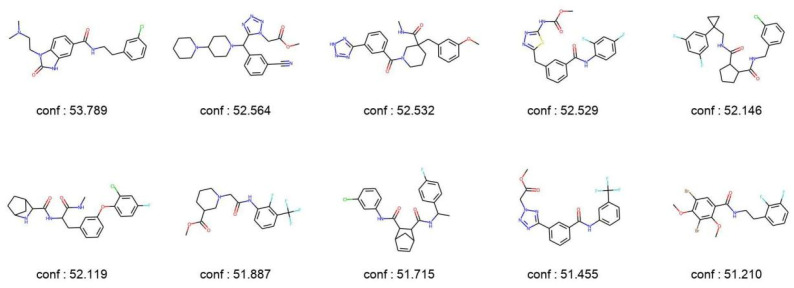 Figure 26
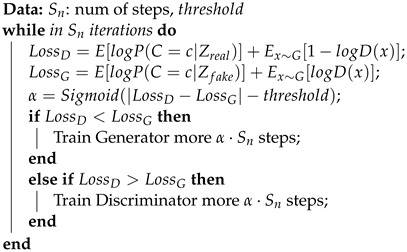 Figure 27
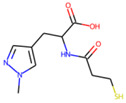 Figure 28
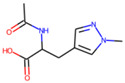 Figure 29
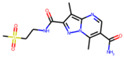 Figure 30
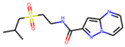 Figure 31
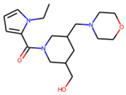 Figure 32
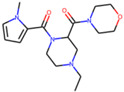 Figure 33
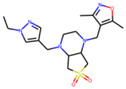 Figure 34
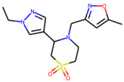 Figure 35
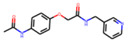 Figure 36
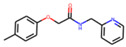 Figure 37
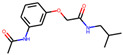 Figure 38
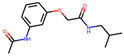 Figure 39
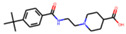 Figure 40
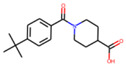 Figure 41
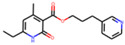 Figure 42
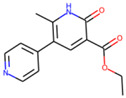 Figure 43
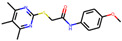 Figure 44
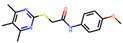 Figure 45
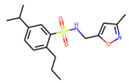 Figure 46
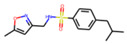 Figure 47
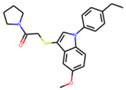 Figure 48
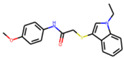 Figure 49
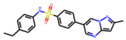 Figure 50
Peer Reviews
No public reviews on file for this paper yet. If you reviewed it on a platform where reviews are public (OpenReview, ICLR, NeurIPS, ICML), you can paste yours below so the community can read it here.
Videos
No videos yet. Explain this paper in a talk, walkthrough, or lecture? Add one.
Taxonomy
TopicsComputational Drug Discovery Methods · Machine Learning in Materials Science