Circulating IgG Fragments for Gastric Cancer and Esophageal Cancer
Eugene I. Goufman, Nataliia B. Tikhonova, Andrey P. Aleksankin, Karina B. Gershkovich, Alexander A. Stepanov, Irina I. Stepanova, Liudmila M. Mikhaleva, Natalia V. Nizyaeva, Olga V. Kovaleva, Alexander A. Alferov, Yury B. Kuzmin, Nikolay E. Kushlinskii

TL;DR
This study shows that IgG-LysK levels in blood can help detect early-stage gastric and esophageal cancers, especially when combined with other markers.
Contribution
The study identifies IgG-LysK as a potential early detection biomarker for gastric and esophageal cancers.
Findings
IgG-LysK levels were higher in cancer patients compared to healthy donors.
False negatives were linked to advanced cancer stages and altered blood homeostasis markers.
IgG-LysK combined with other markers could improve early cancer detection.
Abstract
Blood serum of patients with gastric (n = 68) and esophageal (n = 43) cancer was assessed for proteolytic fragments of IgG. Serum samples of 20 healthy donors were used as a control. We analyzed indicators of hemostasis (prothrombin time, fibrinogen, plasminogen activity, a2-antiplasmin activity, protein C activity) in blood plasma and the level of total IgG in the blood serum. The median IgG-LysK of healthy donors was lower than in esophageal cancer and in patients with gastric cancer. ROC-analysis showed high sensitivity (91%) and specificity (85%) in the group with esophageal cancer but 68% and 85%, respectively, in patients with gastric cancer. Analysis of false negatives IgG-LysK in cancer patients showed that most patients had an advanced stage of cancer accompanied by metastases. Total IgG in the plasma of patients with false-negative IgG-LysK values was 30% lower than in samples…
Genes, proteins, chemicals, diseases, species, mutations and cell lines named across the full text — each resolved to its canonical identifier and authoritative record.
Click any figure to enlarge with its caption.
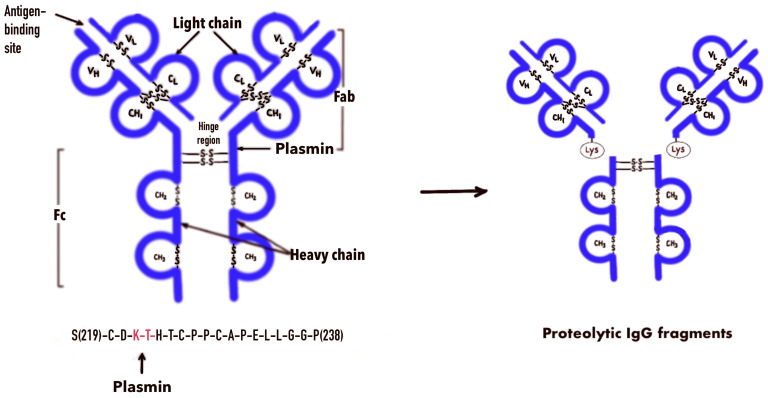 Figure 1
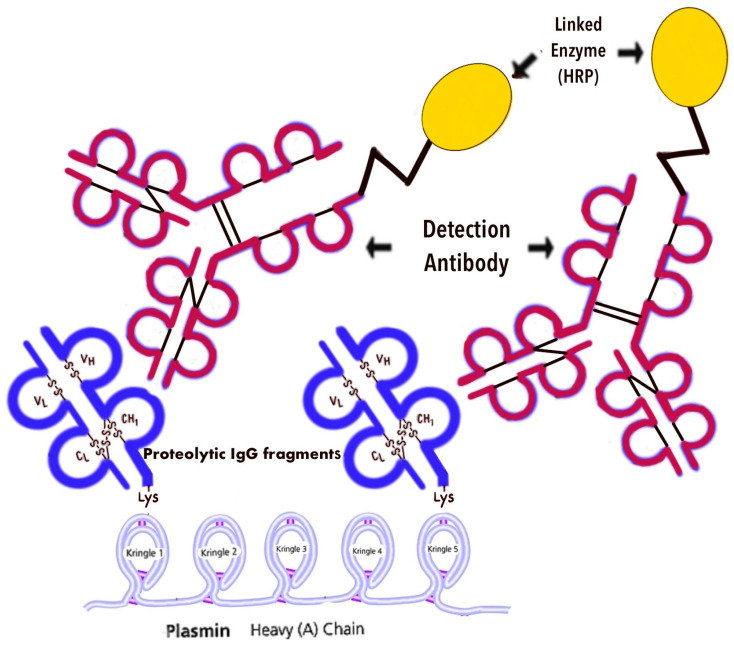 Figure 2
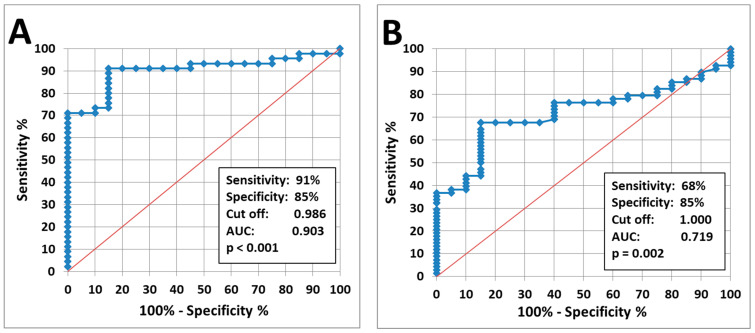 Figure 3
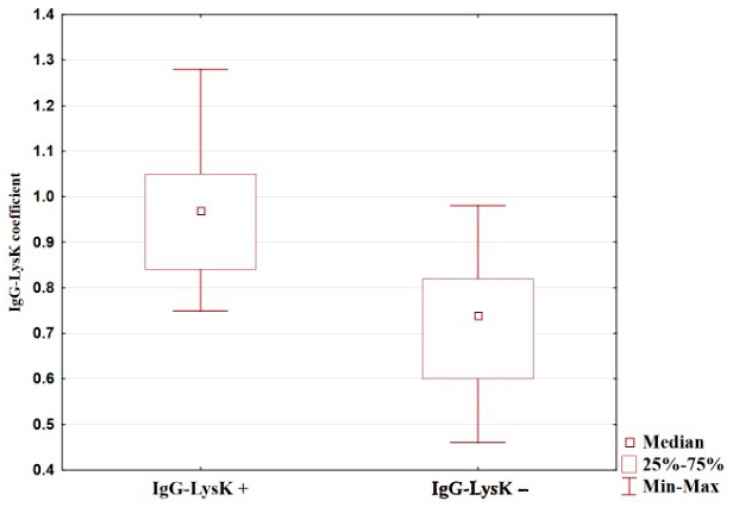 Figure 4
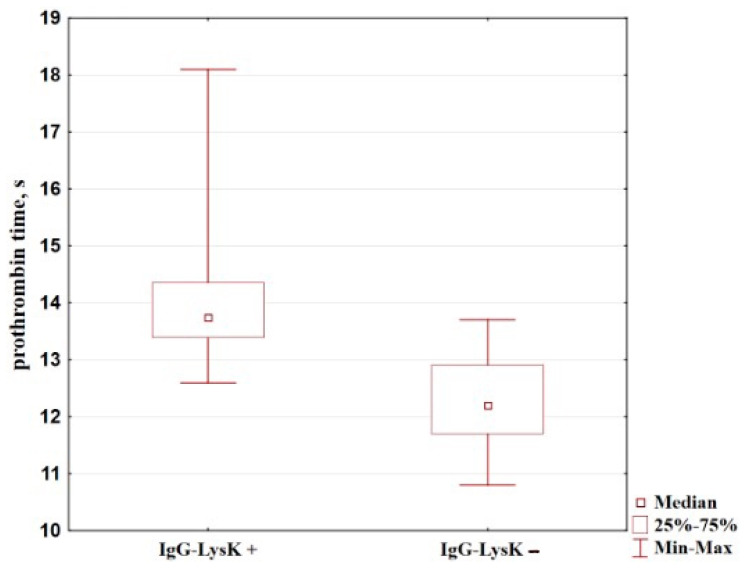 Figure 5
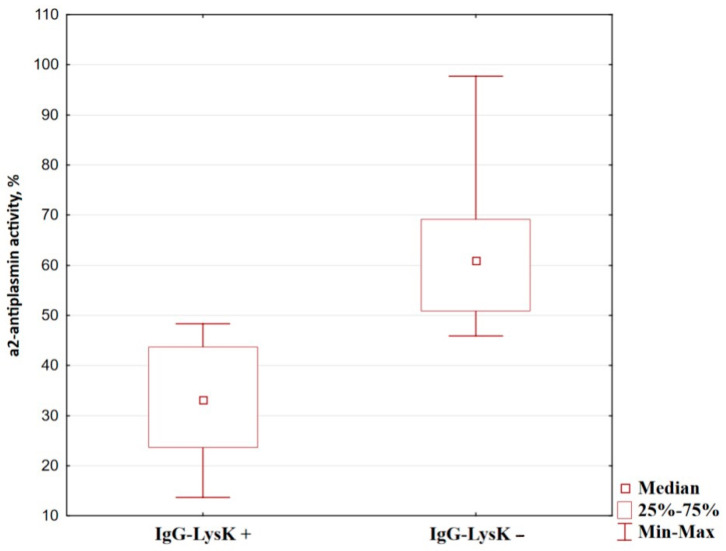 Figure 6
Peer Reviews
No public reviews on file for this paper yet. If you reviewed it on a platform where reviews are public (OpenReview, ICLR, NeurIPS, ICML), you can paste yours below so the community can read it here.
Videos
No videos yet. Explain this paper in a talk, walkthrough, or lecture? Add one.
Taxonomy
TopicsGlycosylation and Glycoproteins Research · Gastric Cancer Management and Outcomes · Monoclonal and Polyclonal Antibodies Research