Redesigned Electrodes for Improved Intraoperative Nerve Conduction Studies during the Treatment of Peripheral Nerve Injuries
Nathaniel Riemann, Jack Coursen, Laura Elena Porras, Bryan Sabogal, Xin-Hua Liang, Christian Guaraca, Allan Belzberg, Matthias Ringkamp, Gang Wu, Lily Zhu, Samantha Weed, Constanza Miranda

TL;DR
New electrodes allow better nerve testing during surgery without moving the nerve, reducing signal errors and improving diagnosis of nerve injuries.
Contribution
A redesigned electrode system that eliminates nerve lifting during intraoperative nerve conduction studies, reducing artifacts and improving diagnostic accuracy.
Findings
Ergonomic in vivo testing in a porcine model showed successful device manipulation during surgery.
Ex vivo testing on primate nerve tissue demonstrated reproducible and artifact-free nerve action potential signals.
Electrode pullout forces were within safe thresholds for nerve models of varying sizes.
Abstract
Traumatic peripheral nerve injuries (PNI), present with symptoms ranging from pain to loss of motor and sensory function. Difficulties in intraoperative visual assessment of nerve functional status necessitate intraoperative nerve conduction studies (INCSs) by neurosurgeons and neurologists to determine the presence of functioning axons in the zone of a PNI. This process, also referred to as nerve “inching”, uses a set of stimulating and recording electrode hooks to lift the injured nerve from the surrounding surgical field and to determine whether an electrical stimulus can travel through the zone of injury. However, confounding electrical signal artifacts can arise from the current workflow and electrode design, particularly from the mandatory lifting of the nerve, complicating the definitive assessment of nerve function and neurosurgical treatment decision-making. The objective of…
Genes, proteins, chemicals, diseases, species, mutations and cell lines named across the full text — each resolved to its canonical identifier and authoritative record.
Click any figure to enlarge with its caption.
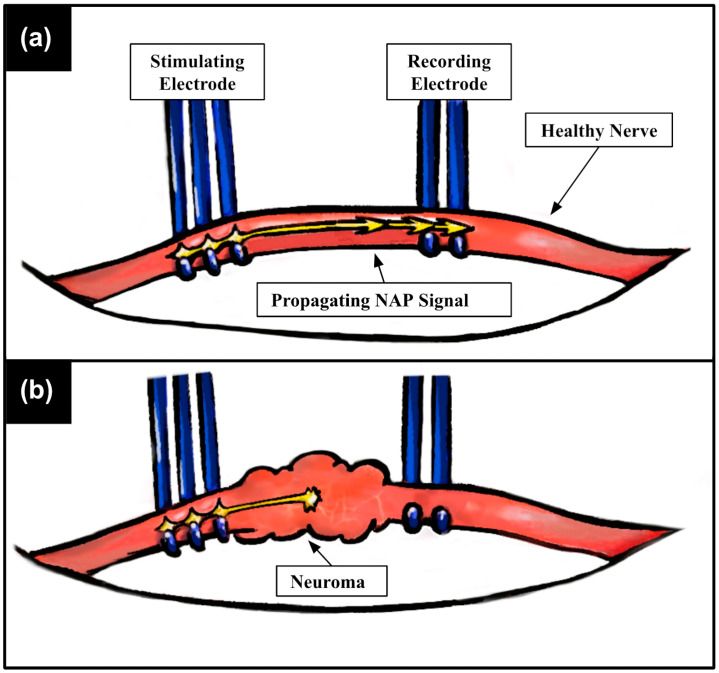 Figure 1
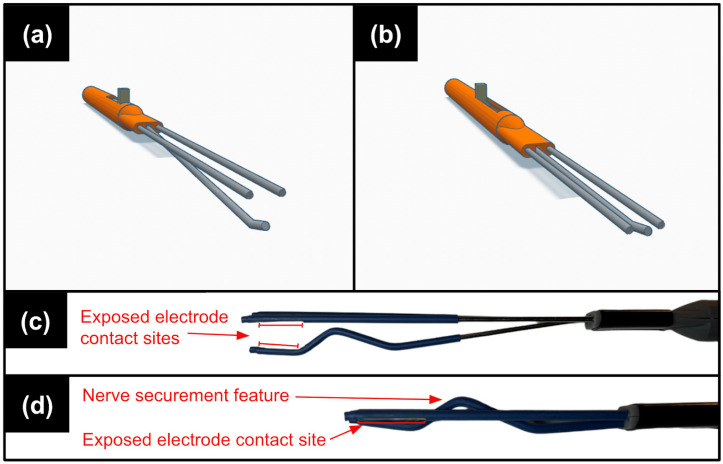 Figure 2
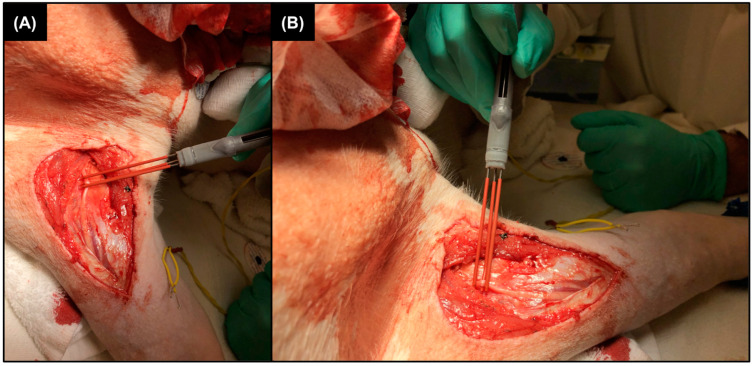 Figure 3
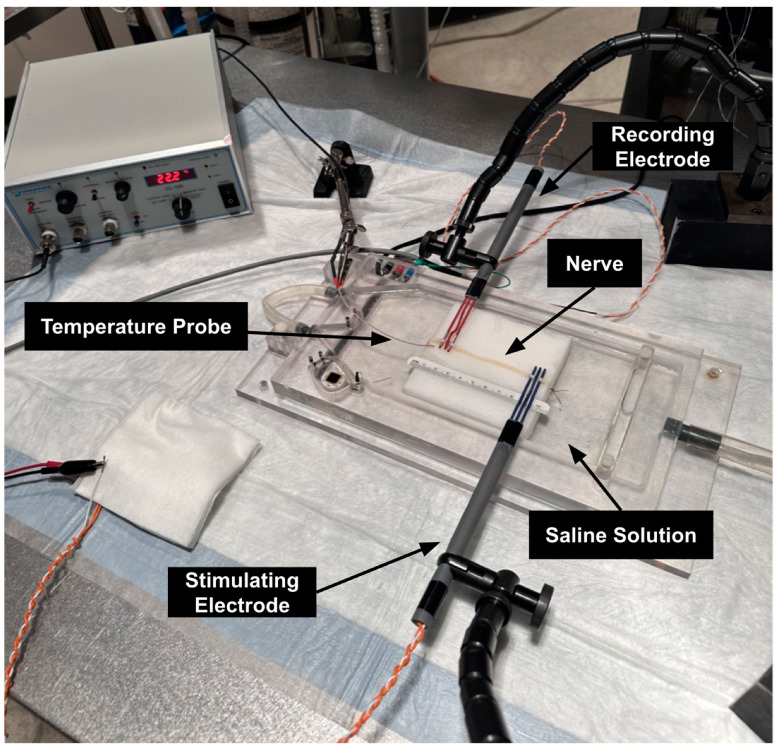 Figure 4
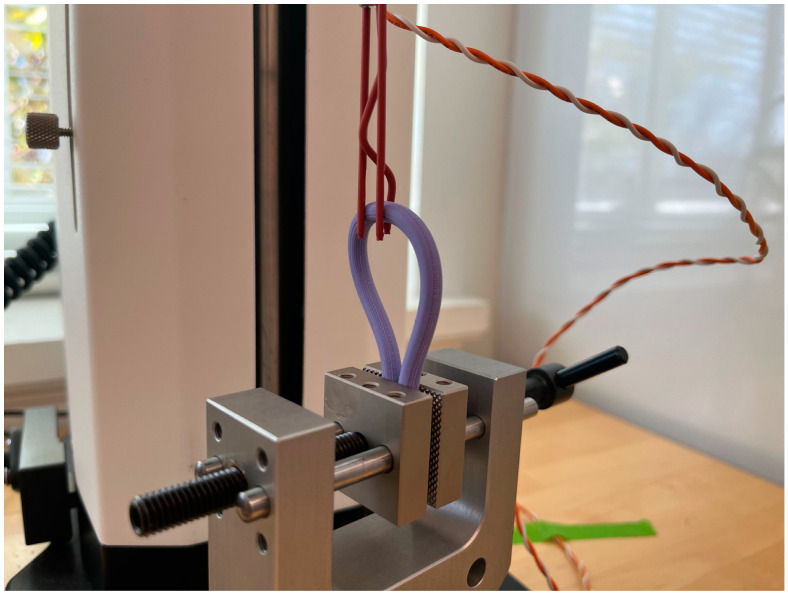 Figure 5
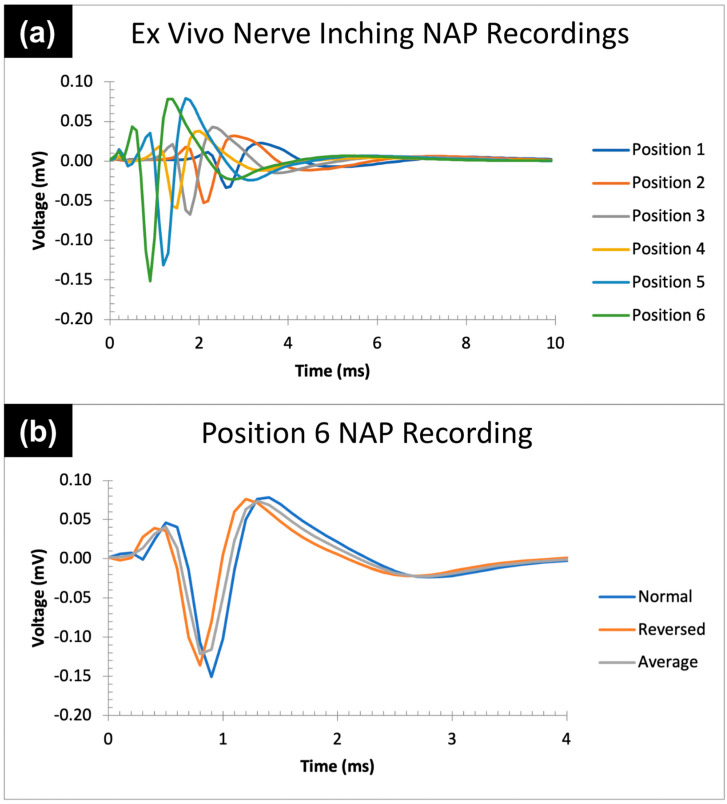 Figure 6
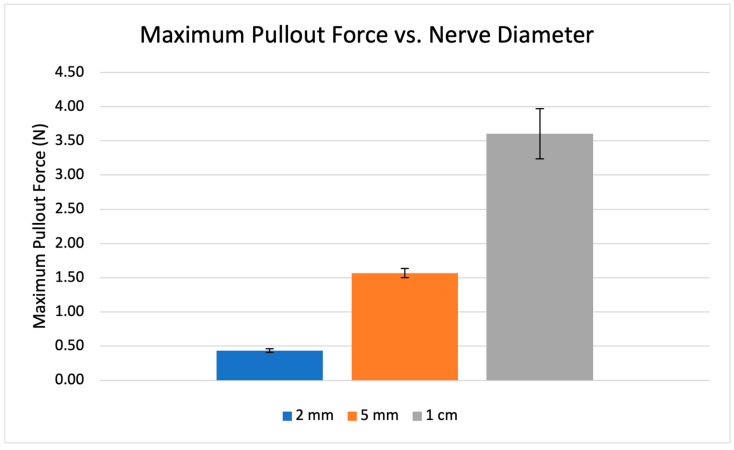 Figure 7
Peer Reviews
No public reviews on file for this paper yet. If you reviewed it on a platform where reviews are public (OpenReview, ICLR, NeurIPS, ICML), you can paste yours below so the community can read it here.
Videos
No videos yet. Explain this paper in a talk, walkthrough, or lecture? Add one.
Taxonomy
TopicsNerve Injury and Rehabilitation · Peripheral Nerve Disorders · Pain Management and Treatment