Hyaluron-Based Bionanocomposites of Silver Nanoparticles with Graphene Oxide as Effective Growth Inhibitors of Wound-Derived Bacteria
Anna Lenart-Boroń, Klaudia Stankiewicz, Kinga Dworak, Klaudia Bulanda, Natalia Czernecka, Anna Ratajewicz, Karen Khachatryan, Gohar Khachatryan

TL;DR
This paper introduces new biocompatible materials that effectively inhibit bacterial growth in wounds, showing promise for use in wound dressings.
Contribution
The study presents hyaluronate-based bionanocomposites with silver and graphene oxide that show enhanced antibacterial properties against wound-derived bacteria.
Findings
Hyal/Ag/GO inhibited 81.82% of bacterial growth, outperforming Hyal/Ag at 69.32%.
The bionanocomposites were more effective against Gram-negative bacteria compared to Gram-positive ones.
Hyal/Ag/GO showed the highest effectiveness against Gram-positive Streptococcus and Gram-negative Moraxella osloensis.
Abstract
Keeping wounds clean in small animals is a big challenge, which is why they often become infected, creating a risk of transmission to animal owners. Therefore, it is crucial to search for new biocompatible materials that have the potential to be used in smart wound dressings with both wound healing and bacteriostatic properties to prevent infection. In our previous work, we obtained innovative hyaluronate matrix-based bionanocomposites containing nanosilver and nanosilver/graphene oxide (Hyal/Ag and Hyal/Ag/GO). This study aimed to thoroughly examine the bacteriostatic properties of foils containing the previously developed bionanocomposites. The bacteriostatic activity was assessed in vitro on 88 Gram-positive (n = 51) and Gram-negative (n = 37) bacteria isolated from wounds of small animals and whose antimicrobial resistance patterns and resistance mechanisms were examined in an…
Genes, proteins, chemicals, diseases, species, mutations and cell lines named across the full text — each resolved to its canonical identifier and authoritative record.
Click any figure to enlarge with its caption.
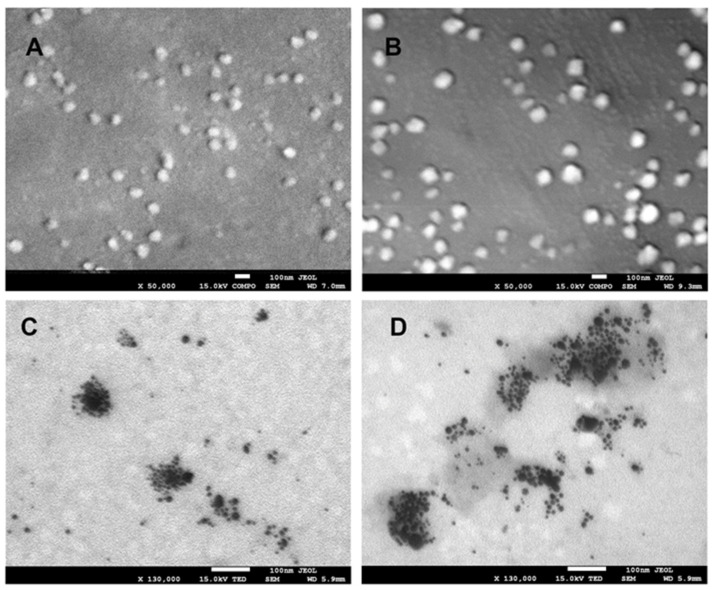 Figure 1
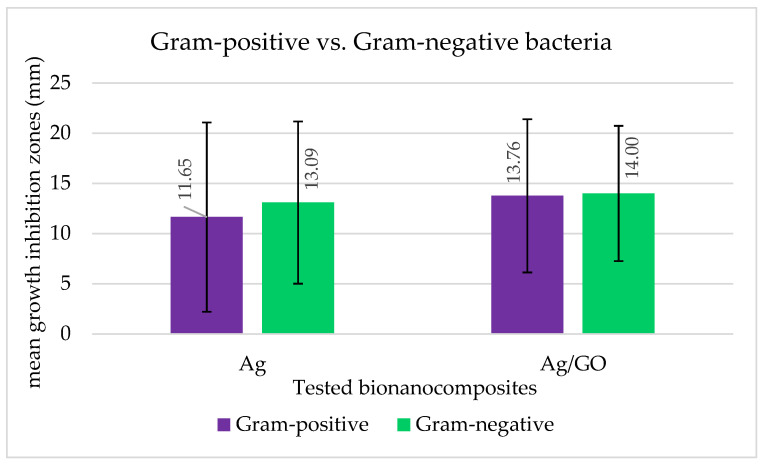 Figure 2
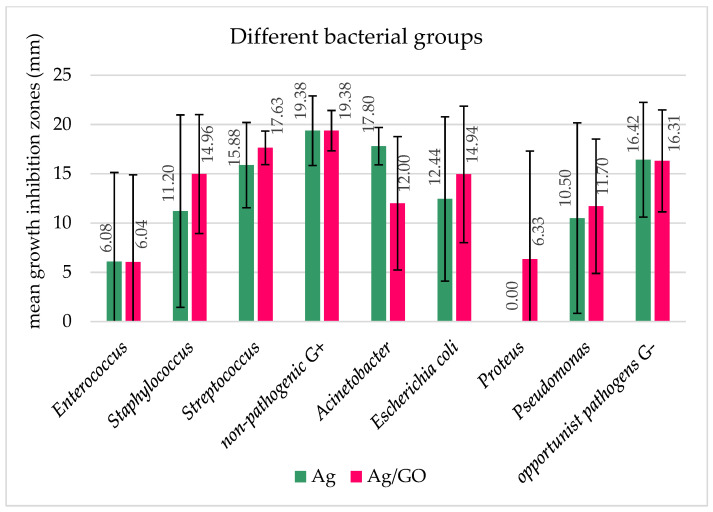 Figure 3
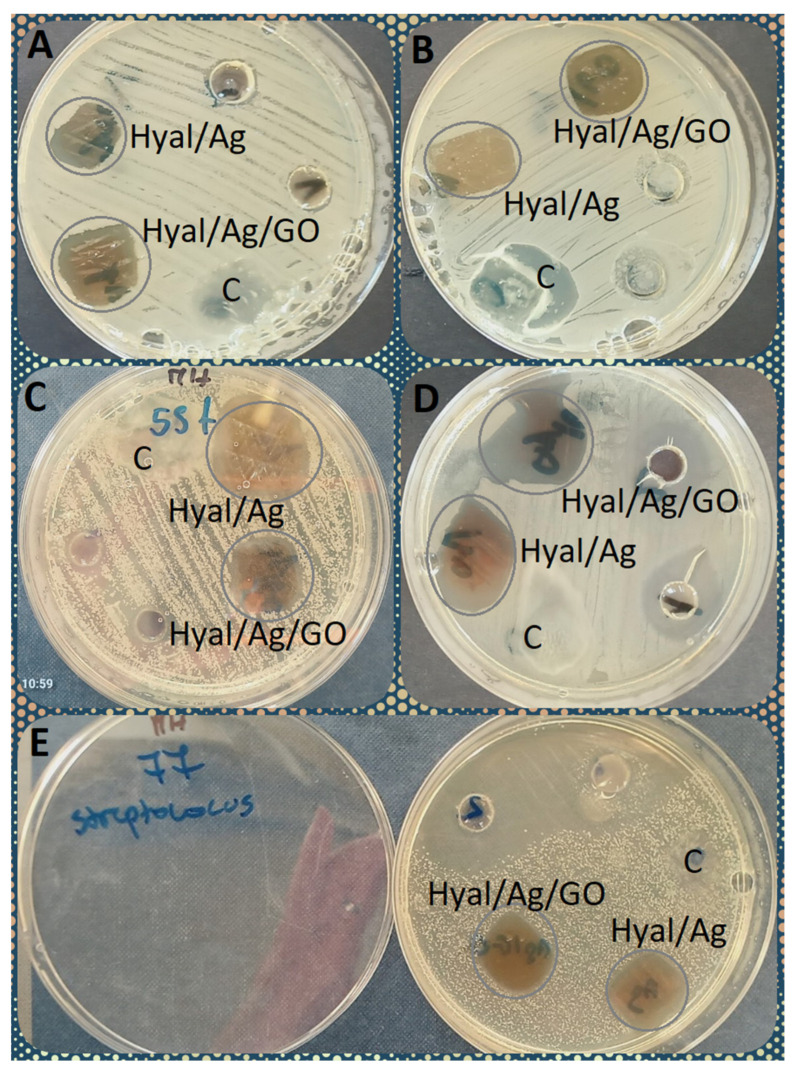 Figure 4
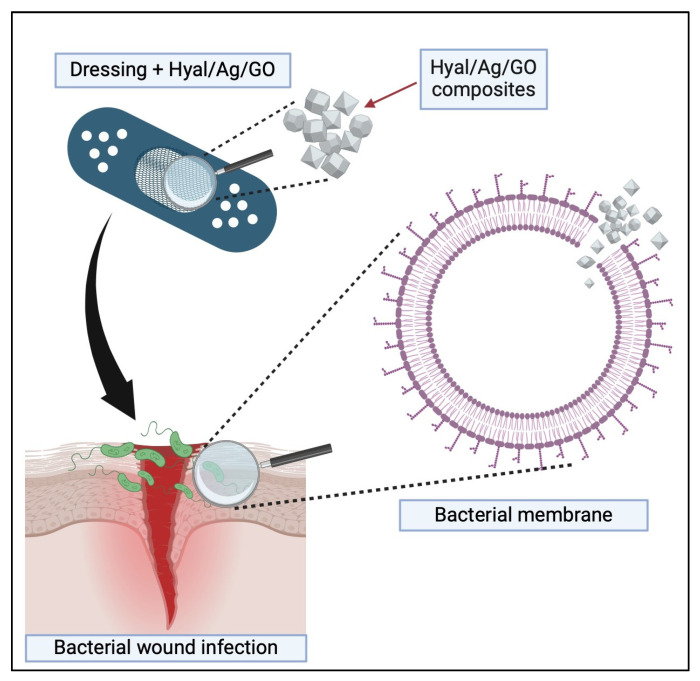 Figure 5
Peer Reviews
No public reviews on file for this paper yet. If you reviewed it on a platform where reviews are public (OpenReview, ICLR, NeurIPS, ICML), you can paste yours below so the community can read it here.
Videos
No videos yet. Explain this paper in a talk, walkthrough, or lecture? Add one.
Taxonomy
TopicsWound Healing and Treatments · Nanoparticles: synthesis and applications · Graphene and Nanomaterials Applications