James German and the Quest to Understand Human RECQ Helicase Deficiencies
Raymond J. Monnat

TL;DR
This paper reviews research inspired by James German's work on Bloom syndrome to better understand related genetic disorders like Werner syndrome.
Contribution
The paper compares Bloom syndrome with other RECQ deficiency syndromes and explores new treatment opportunities.
Findings
Bloom syndrome research has influenced understanding of other RECQ deficiencies and cancer predisposition syndromes.
Werner syndrome shares similarities with Bloom syndrome but has distinct disease mechanisms.
New therapeutic strategies for modifying WS-associated pathways are being explored.
Abstract
James German’s work to establish the natural history and cancer risk associated with Bloom syndrome (BS) has had a strong influence on the generation of scientists and clinicians working to understand other RECQ deficiencies and heritable cancer predisposition syndromes. I summarize work by us and others below, inspired by James German’s precedents with BS, to understand and compare BS with the other heritable RECQ deficiency syndromes with a focus on Werner syndrome (WS). What we know, unanswered questions and new opportunities are discussed, as are potential ways to treat or modify WS-associated disease mechanisms and pathways.
Genes, proteins, chemicals, diseases, species, mutations and cell lines named across the full text — each resolved to its canonical identifier and authoritative record.
Click any figure to enlarge with its caption.
 Figure 1
 Figure 2
 Figure 3
 Figure 4
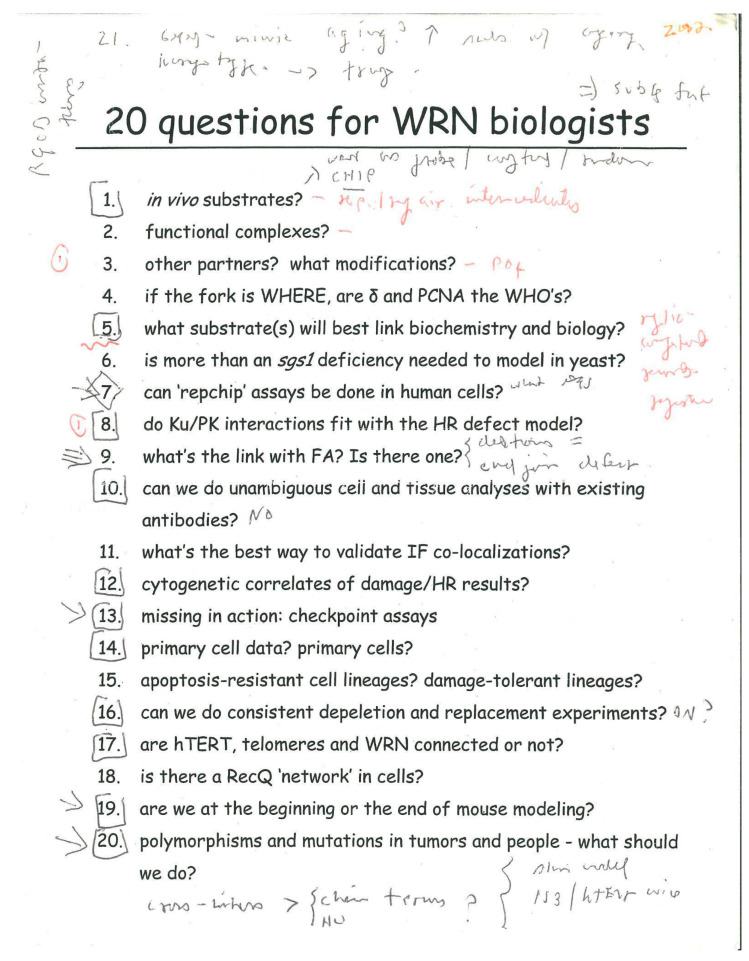 Figure 5
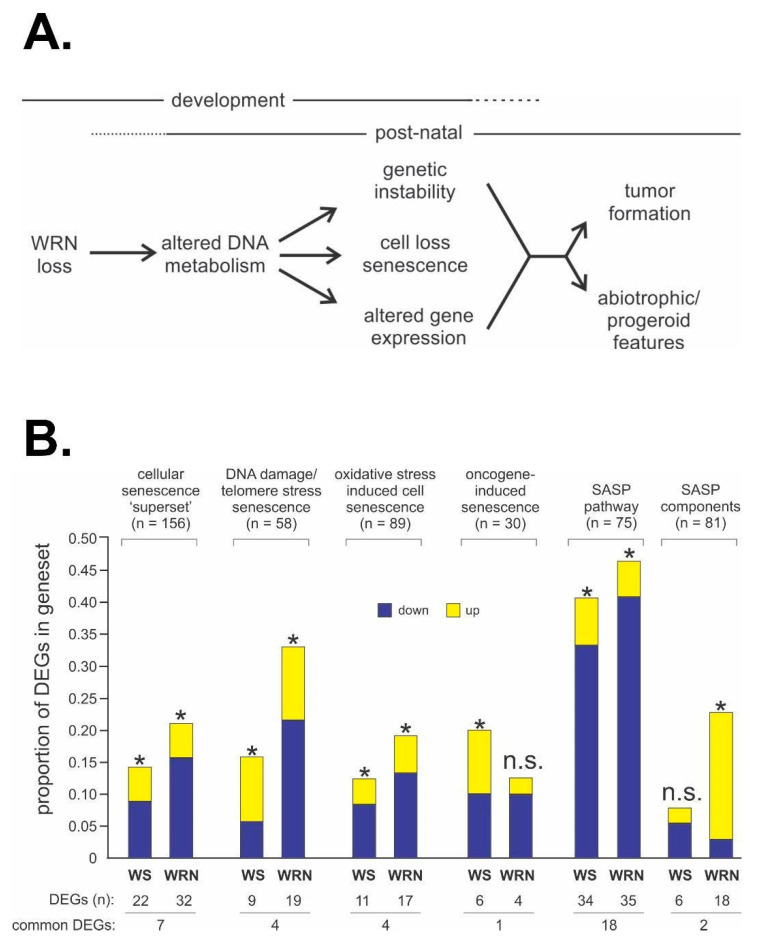 Figure 6
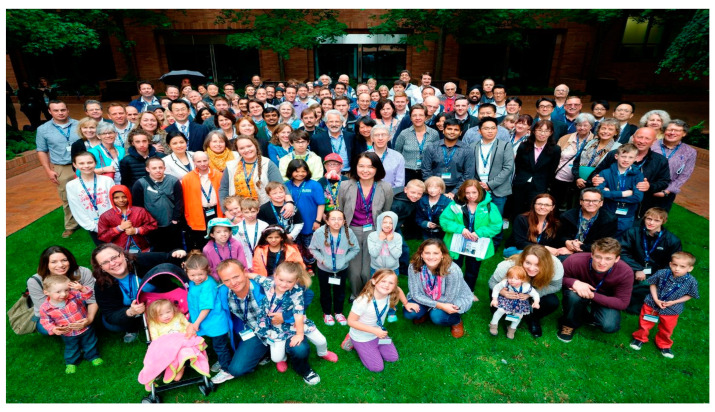 Figure 7
Peer Reviews
No public reviews on file for this paper yet. If you reviewed it on a platform where reviews are public (OpenReview, ICLR, NeurIPS, ICML), you can paste yours below so the community can read it here.
Videos
No videos yet. Explain this paper in a talk, walkthrough, or lecture? Add one.
Taxonomy
TopicsDNA Repair Mechanisms · Genomic variations and chromosomal abnormalities · Cancer-related Molecular Pathways