Complete Blood Counts and Research Parameters in the Detection of Myelodysplastic Syndromes
Eloísa Urrechaga, Mónica Fernández, Urko Aguirre

TL;DR
This study explores how blood count parameters can help distinguish myelodysplastic syndromes from other blood disorders.
Contribution
The study introduces a multivariable model using research parameters from CBC to improve MDS detection and differential diagnosis.
Findings
Neu X, Neu Y, and Neu Z showed high AUC values for detecting MDS (AUC > 0.80).
A multivariable model using Neu X and Neu Y achieved an AUC of 0.88 and correctly classified 89% of MDS patients in validation.
MAC, RDW, and IPF also demonstrated strong diagnostic performance (AUC > 0.76).
Abstract
The diagnosis of Myelodysplastic syndromes (MDS) is frequently challenging, especially in terms of the distinction from the other non-neoplastic causes of cytopenia. Currently, it is based on the presence of peripheral blood cytopenias, peripheral blood and bone marrow dysplasia/blasts, and clonal cytogenetic abnormalities, but MDS diagnostic features are polymorphic and non-specific. We investigated the utility of complete blood count (CBC) and research parameters (RUO) from the analyzer BC 6800 Plus (Mindray Diagnostics) to discriminate MDS-related cytopenia. Methods: 100 samples from healthy individuals were used to establish the values of research parameters in normal subjects. A retrospective study was conducted including 66 patients diagnosed with MDS, 90 cytopenic patients due to other diseases (cancer patients receiving therapy, aplastic anemia, other hematological malignancies)…
Genes, proteins, chemicals, diseases, species, mutations and cell lines named across the full text — each resolved to its canonical identifier and authoritative record.
Click any figure to enlarge with its caption.
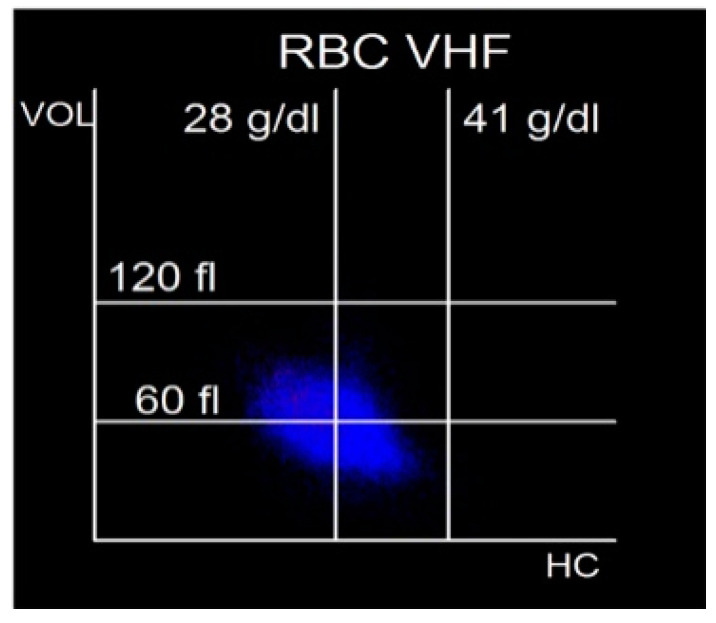 Figure 1
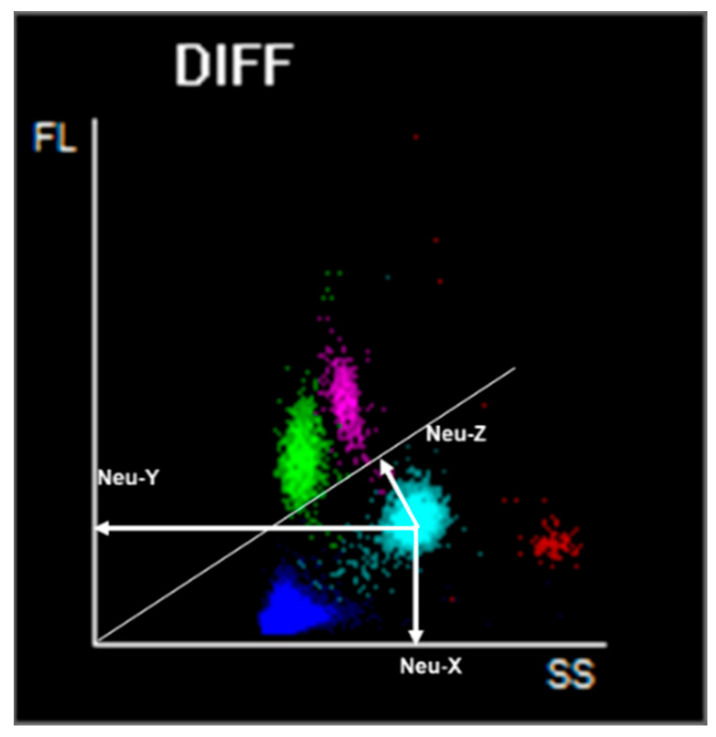 Figure 2
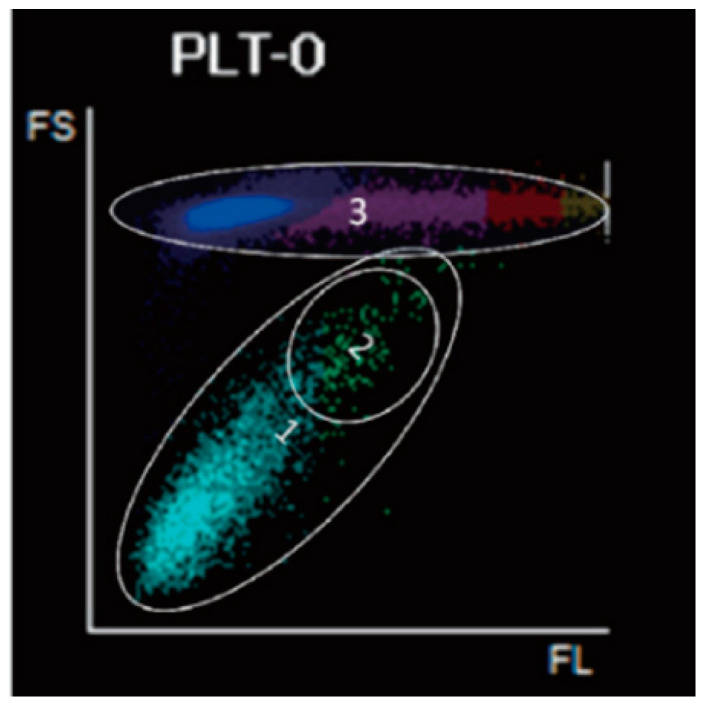 Figure 3
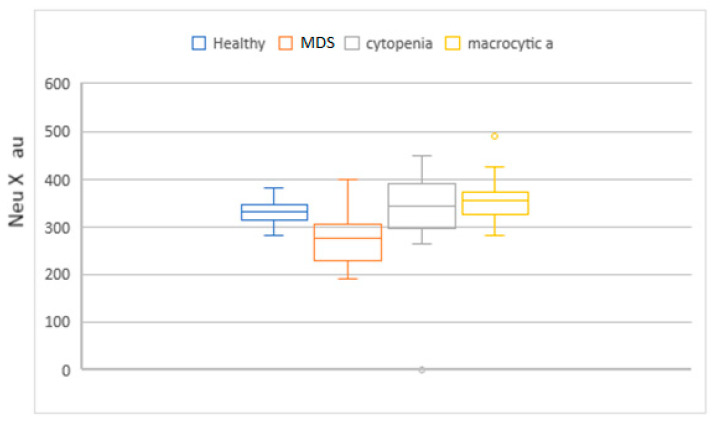 Figure 4
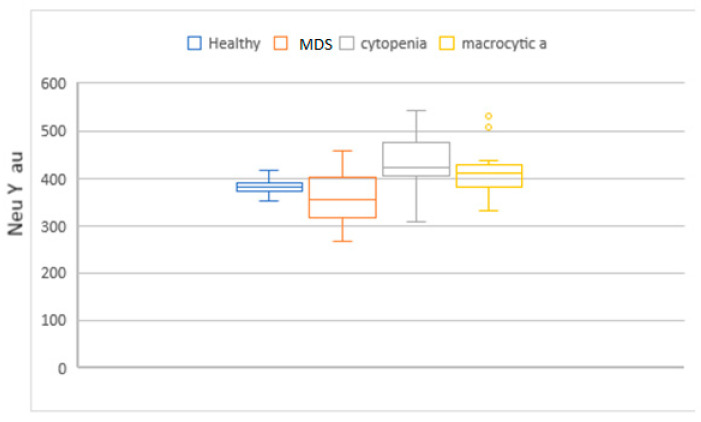 Figure 5
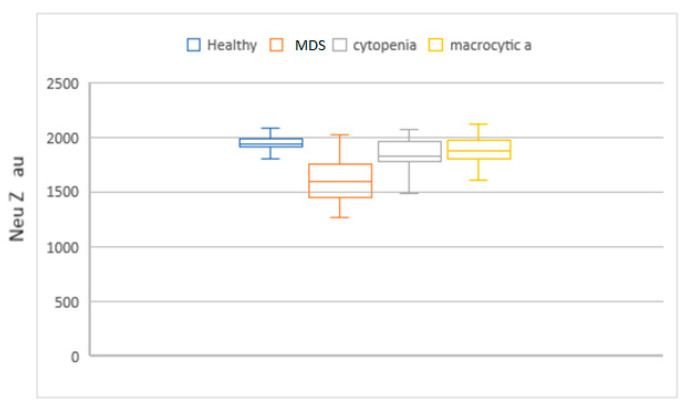 Figure 6
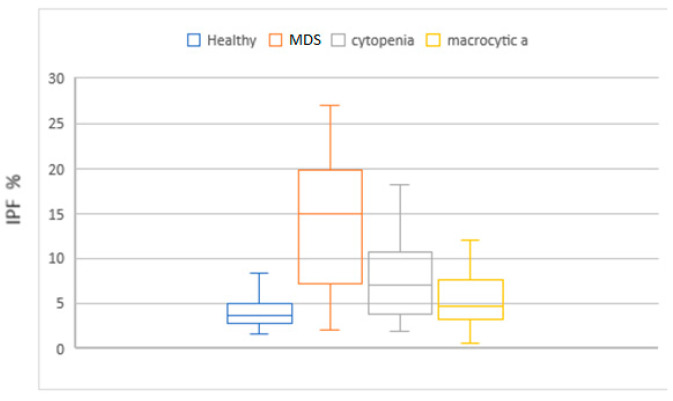 Figure 7
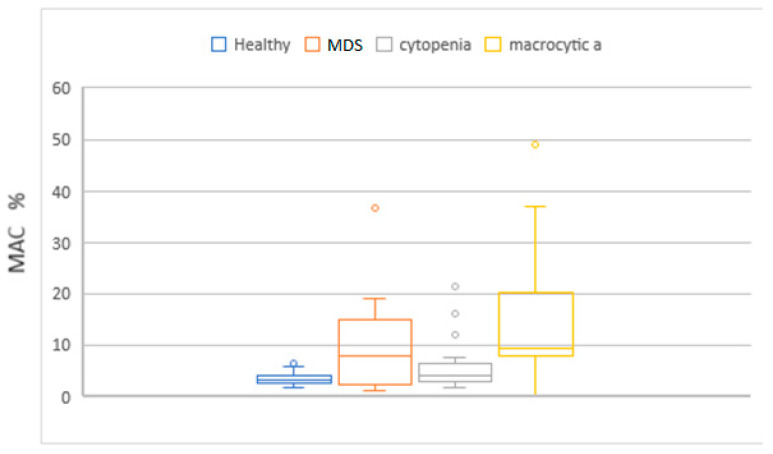 Figure 8
Peer Reviews
No public reviews on file for this paper yet. If you reviewed it on a platform where reviews are public (OpenReview, ICLR, NeurIPS, ICML), you can paste yours below so the community can read it here.
Videos
No videos yet. Explain this paper in a talk, walkthrough, or lecture? Add one.
Taxonomy
TopicsRings, Modules, and Algebras · Advanced Topics in Algebra · Algebraic structures and combinatorial models