Comparison of Treatment Outcomes of Different Immobilized Finger Positions After Repair of Flexor Tendon Rupture in Zones I and II: A Nonrandomized Controlled Trial With Historical Control Group
Takaya Tajima, Shiro Yoshida, Hiroki Takashima, Taishiro Kamasaki, Kotaro Jinbo, Koji Hiraoka

TL;DR
This study compares finger immobilization positions after tendon repair and finds that flexion fixation may lead to better outcomes than extension fixation.
Contribution
The study provides evidence that flexion fixation may be more effective than extension fixation for post-repair recovery of flexor tendon ruptures.
Findings
Flexion fixation resulted in significantly higher excellent Strickland ratings compared to extension fixation.
Flexion fixation showed better active flexion range of motion in the distal interphalangeal joint.
There was no significant difference in extension limitation angles between the two fixation groups.
Abstract
Introduction The position of finger immobilization after flexor tendon rupture repair is changed to the extended position to prevent flexion contracture of the interphalangeal (IP) joint. However, in Strickland's assessment, We believe that a reduction in TAF (total active flexion) affects the outcome and that extension fixation is not necessarily the primary focus. For example, there are management methods that swap the fixed position between day and night. It is assumed that some effect is sought by placing the fingers in the flexed position. That is, the method of fixation is currently selected at individual facilities through twists and turns; however, the indications and criteria for selecting finger fixation positions are ambiguous, and they are apparently subject to the experience of therapists. This study aimed to characterize follow-up outcomes of flexion and extension…
Genes, proteins, chemicals, diseases, species, mutations and cell lines named across the full text — each resolved to its canonical identifier and authoritative record.
Click any figure to enlarge with its caption.
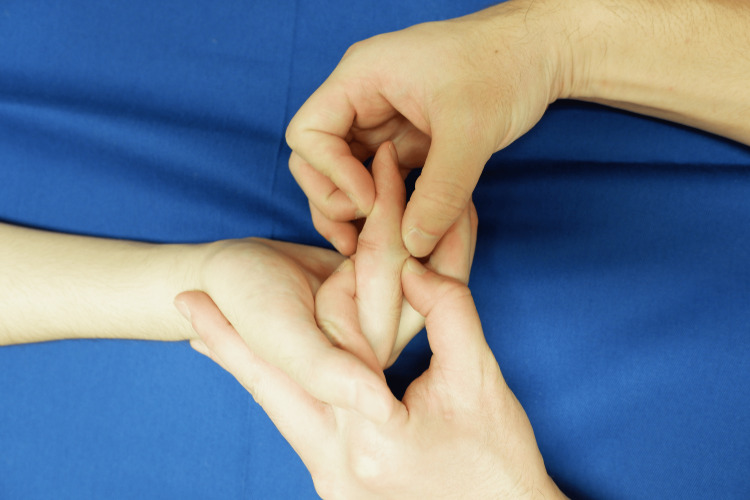 Figure 1
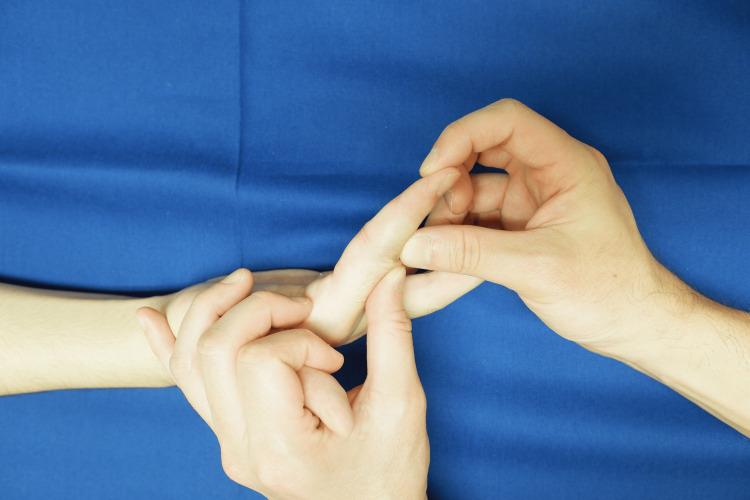 Figure 2
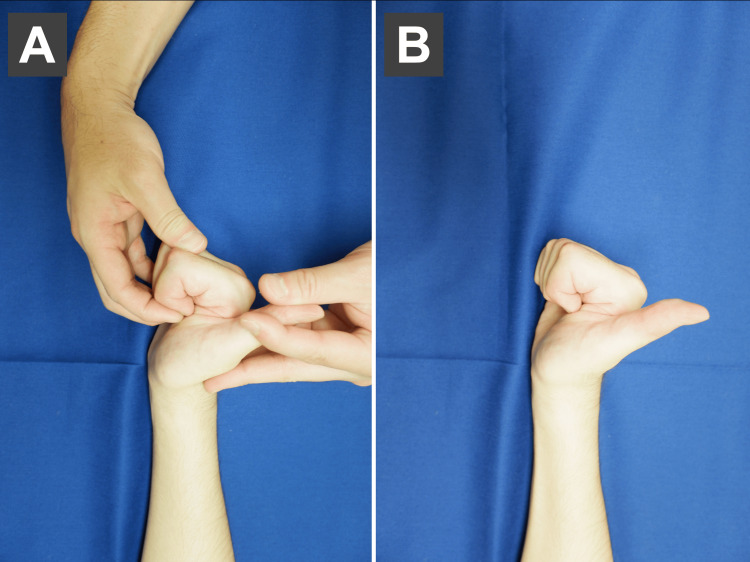 Figure 3
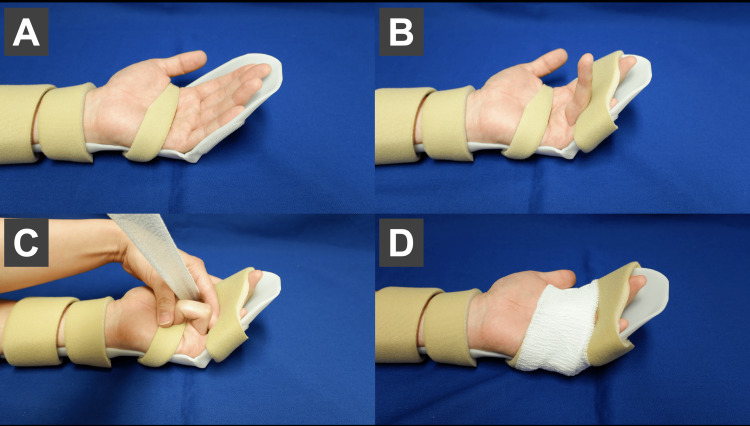 Figure 4
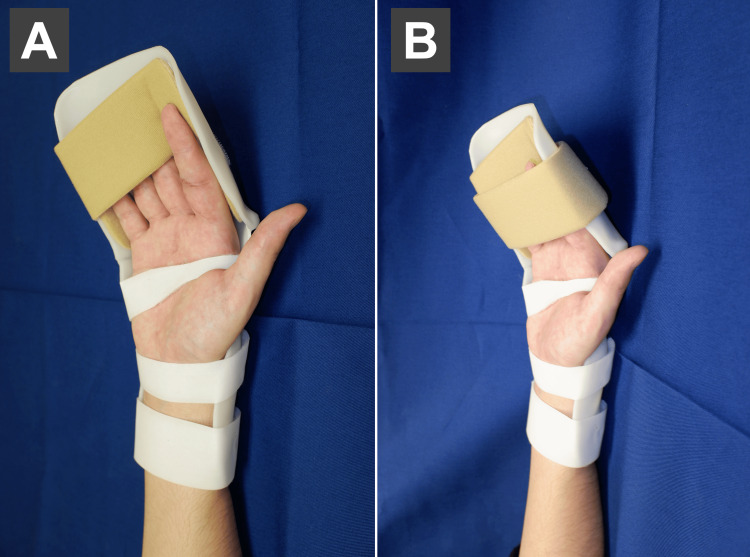 Figure 5
Peer Reviews
No public reviews on file for this paper yet. If you reviewed it on a platform where reviews are public (OpenReview, ICLR, NeurIPS, ICML), you can paste yours below so the community can read it here.
Videos
No videos yet. Explain this paper in a talk, walkthrough, or lecture? Add one.
Taxonomy
TopicsOrthopedic Surgery and Rehabilitation · Elbow and Forearm Trauma Treatment · Peripheral Nerve Disorders