Efficacy and Safety of Azvudine in Patients With COVID‐19 in China: A Meta‐Analysis of Observational Studies
Tao Dong, Wentao Zhang, Tingting Wu, Yongxiang Ge, Qi Yang, Jia Xu, Yuna Liu

TL;DR
This study evaluates the effectiveness and safety of azvudine for treating COVID-19 in China, finding it may reduce mortality but with low-certainty evidence.
Contribution
A meta-analysis of observational studies on azvudine's efficacy and safety in Chinese patients with COVID-19.
Findings
Azvudine showed no significant difference in mortality compared to Paxlovid, but reduced mortality compared to supportive treatment.
Azvudine was associated with fewer adverse events and a longer time to nucleic acid negative conversion compared to Paxlovid.
The evidence for azvudine's effectiveness and safety is of low or very low certainty, requiring further high-quality research.
Abstract
Azvudine (FNC) is a novel small molecule antiviral drug for treating COVID‐19 that is available only on the Chinese market. Despite being recommended for treating COVID‐19 by the Chinese guidelines, its efficacy and safety are still unclear. This study aimed to evaluate the protective effect of FNC on COVID‐19 outcomes and its safety. We followed the PRISMA 2020 guidelines and searched the PubMed, Embase, Web of Science, Scopus, and China National Knowledge Infrastructure (CNKI) databases to evaluate studies on the effectiveness of FNC in treating COVID‐19 in China, focusing on mortality and overall outcomes. Additionally, its impact on the length of hospital stay (LOHS), time to first nucleic acid negative conversion (T‐FNANC), and adverse events was evaluated. The inclusion criterion was that the studies were published from July 2021 to April 10, 2024. This study uses the ROBINS‐I…
Genes, proteins, chemicals, diseases, species, mutations and cell lines named across the full text — each resolved to its canonical identifier and authoritative record.
Click any figure to enlarge with its caption.
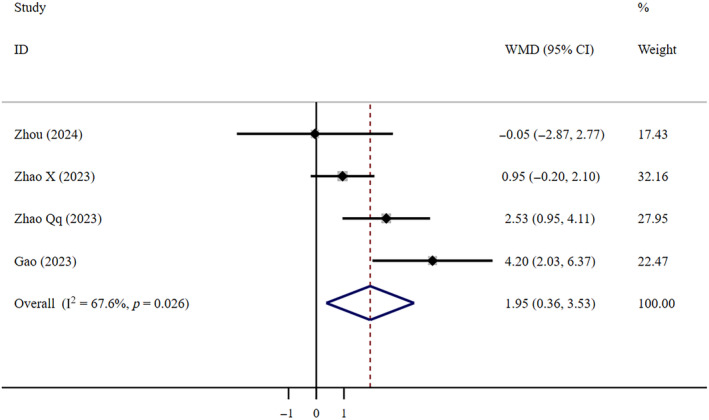 Figure 1
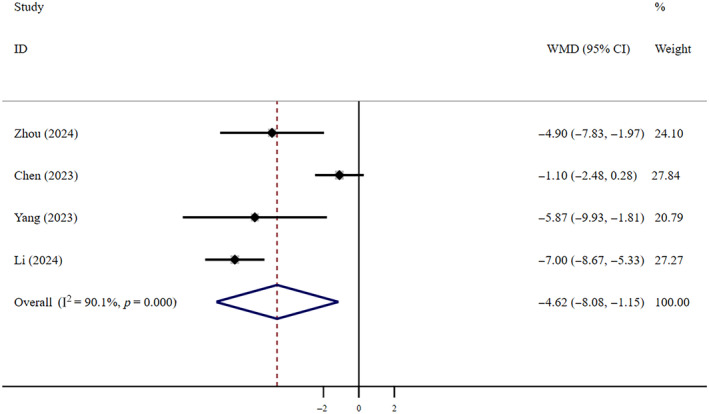 Figure 2
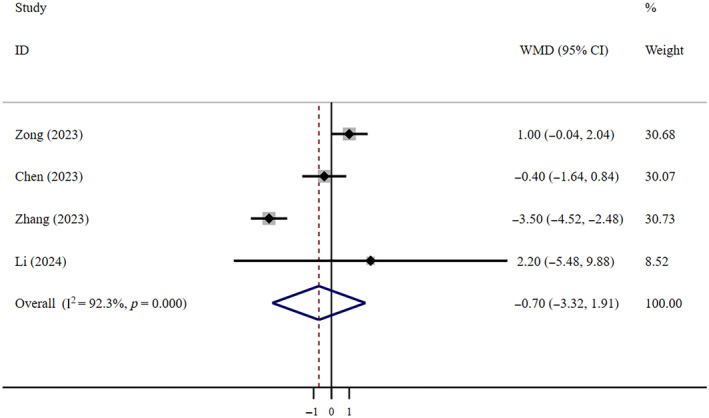 Figure 3
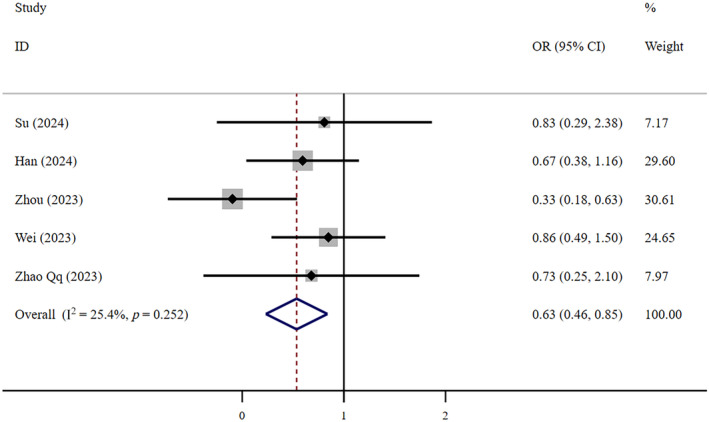 Figure 4
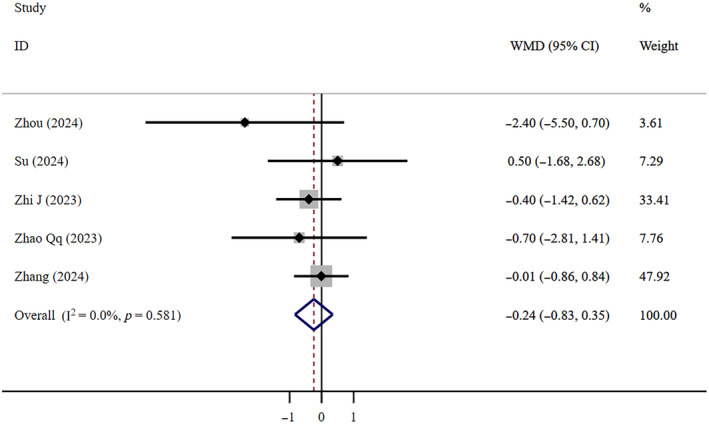 Figure 5
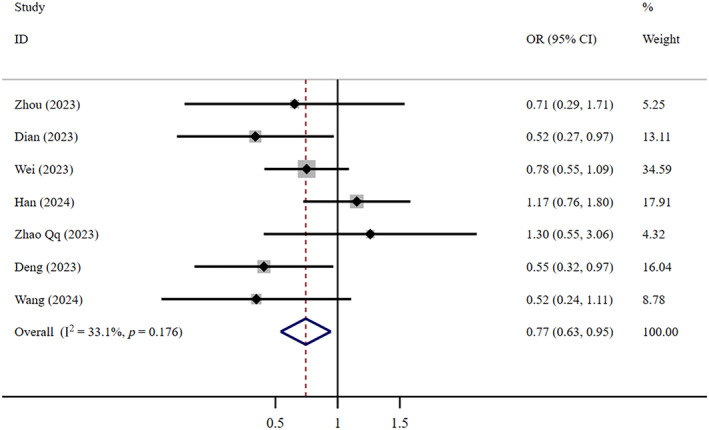 Figure 6
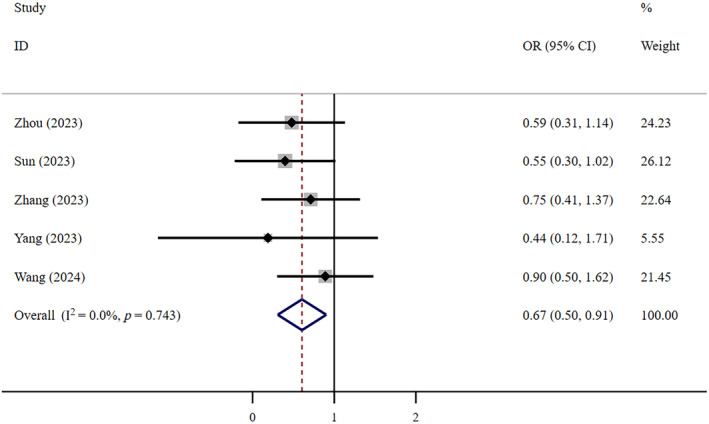 Figure 7
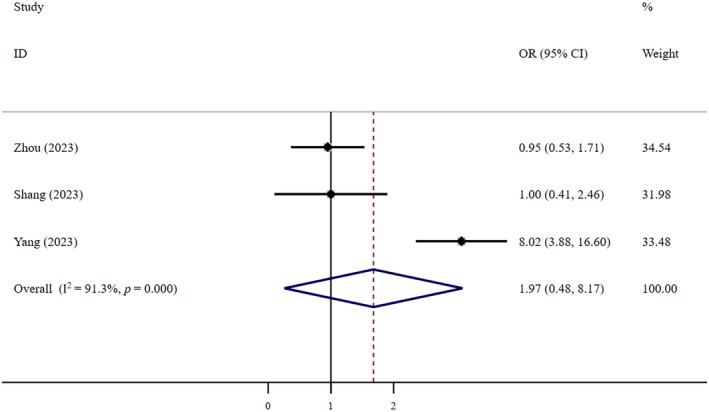 Figure 8
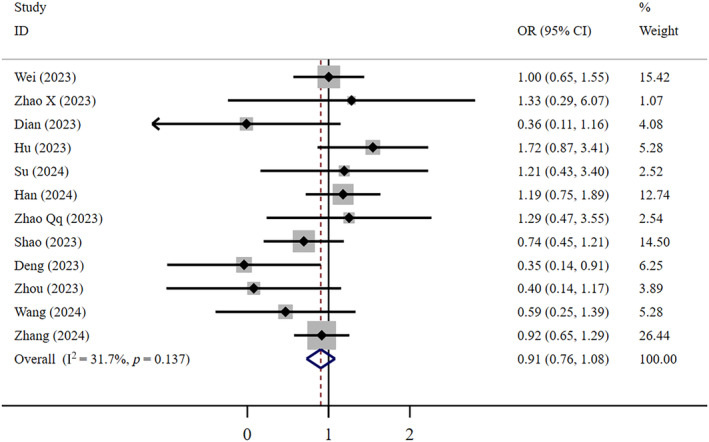 Figure 9
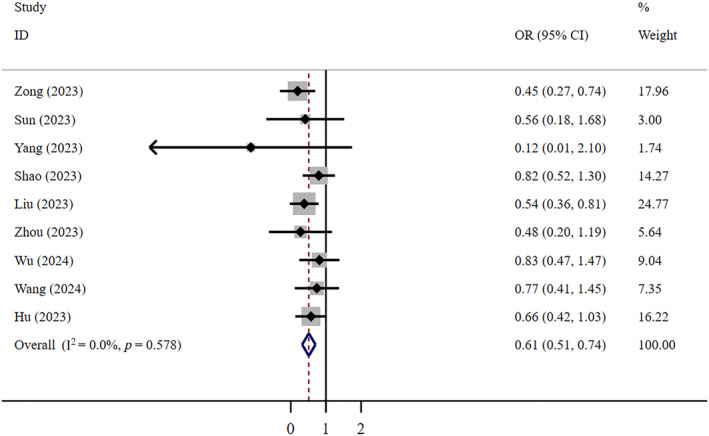 Figure 10
 Figure 11
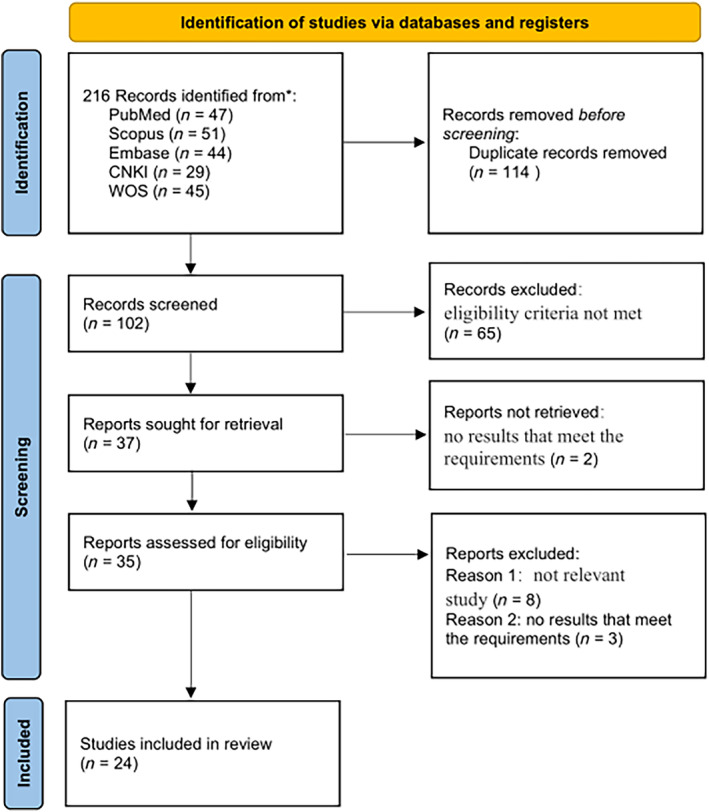 Figure 12
Peer Reviews
No public reviews on file for this paper yet. If you reviewed it on a platform where reviews are public (OpenReview, ICLR, NeurIPS, ICML), you can paste yours below so the community can read it here.
Videos
No videos yet. Explain this paper in a talk, walkthrough, or lecture? Add one.
Taxonomy
TopicsCOVID-19 Clinical Research Studies · SARS-CoV-2 detection and testing · SARS-CoV-2 and COVID-19 Research