Cloning and characterization of the LvCTL genes encoding C-type lectin from white-leg shrimp ( Litopenaeus vannamei)
Tran Vinh Phuong, Xuan Huy Nguyen, Nguyen Quang Lich, Quang Tan Hoang, Ngoc Nguyen Tran, Phuoc Ngoc Nguyen, Nguyen Quang Linh, Hieu Tran-Van, Linh Q. NGUYEN, Vinh Phuong Tran

TL;DR
This paper studies two C-type lectin genes in white-leg shrimp, analyzing their structure and properties to aid future research on their biological functions.
Contribution
The paper provides new insights into the cloning and characterization of LvCTL3 and LvCTL4 genes in Litopenaeus vannamei.
Findings
LvCTL3 gene is 444 nucleotides long with high similarity to a published gene (KF156943).
LvCTL4 gene has 417 nucleotides and 100% similarity to a reference polypeptide sequence (AKA64754).
Both LvCTL3 and LvCTL4 contain one C-type lectin domain with distinct structural features.
Abstract
Background: Lectins are carbohydrate-binding protein domains. The C-type designates a requirement for calcium for binding. Proteins contain C-type lectin domains that have a diverse range of functions, including cell-cell adhesion, immune response to pathogens, and apoptosis. This study aimed to investigate the characters of LvCTL-encoding genes from white-leg shrimp ( Litopenaeus vannamei) in Central Vietnam. Methods: Two PCR products (LvCTL3 and LvCTL4) were cloned and sequenced. The structure and characterization of LvCTL proteins were predicted using bioinformatics tools. Results: The results showed that the LvCTL 3 gene was 444 nucleotides long and 98.87% similar to the published LvCTL3 gene (accession number: KF156943). The polypeptide sequence had 147 amino acids, which were 97.28% identical to the reference sequence (AGV68681) and the LvCT L4 gene had a length of 417…
Genes, proteins, chemicals, diseases, species, mutations and cell lines named across the full text — each resolved to its canonical identifier and authoritative record.
Click any figure to enlarge with its caption.
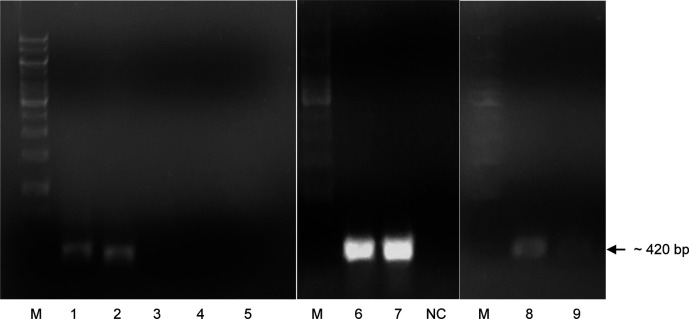 Figure 1
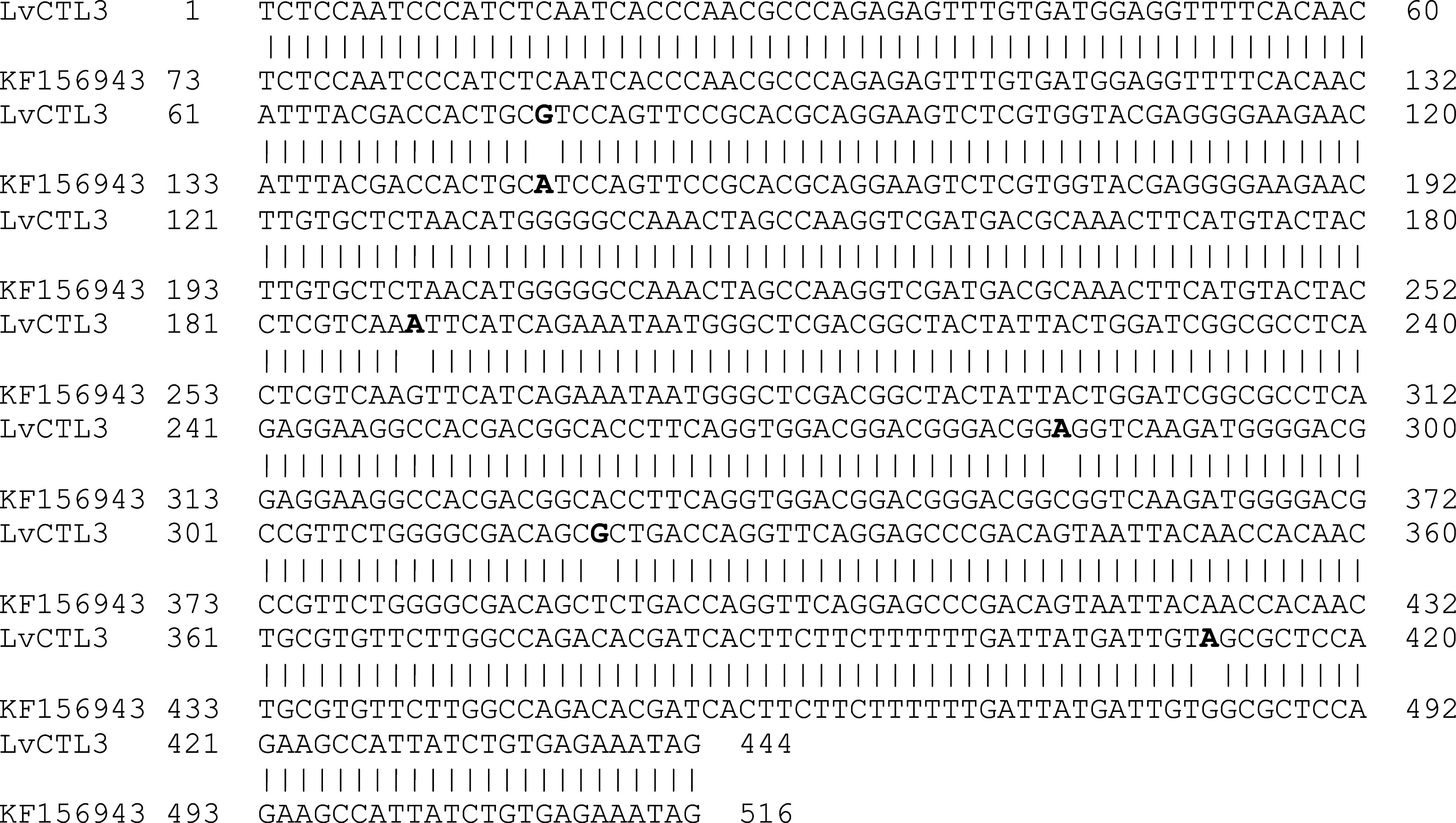 Figure 2
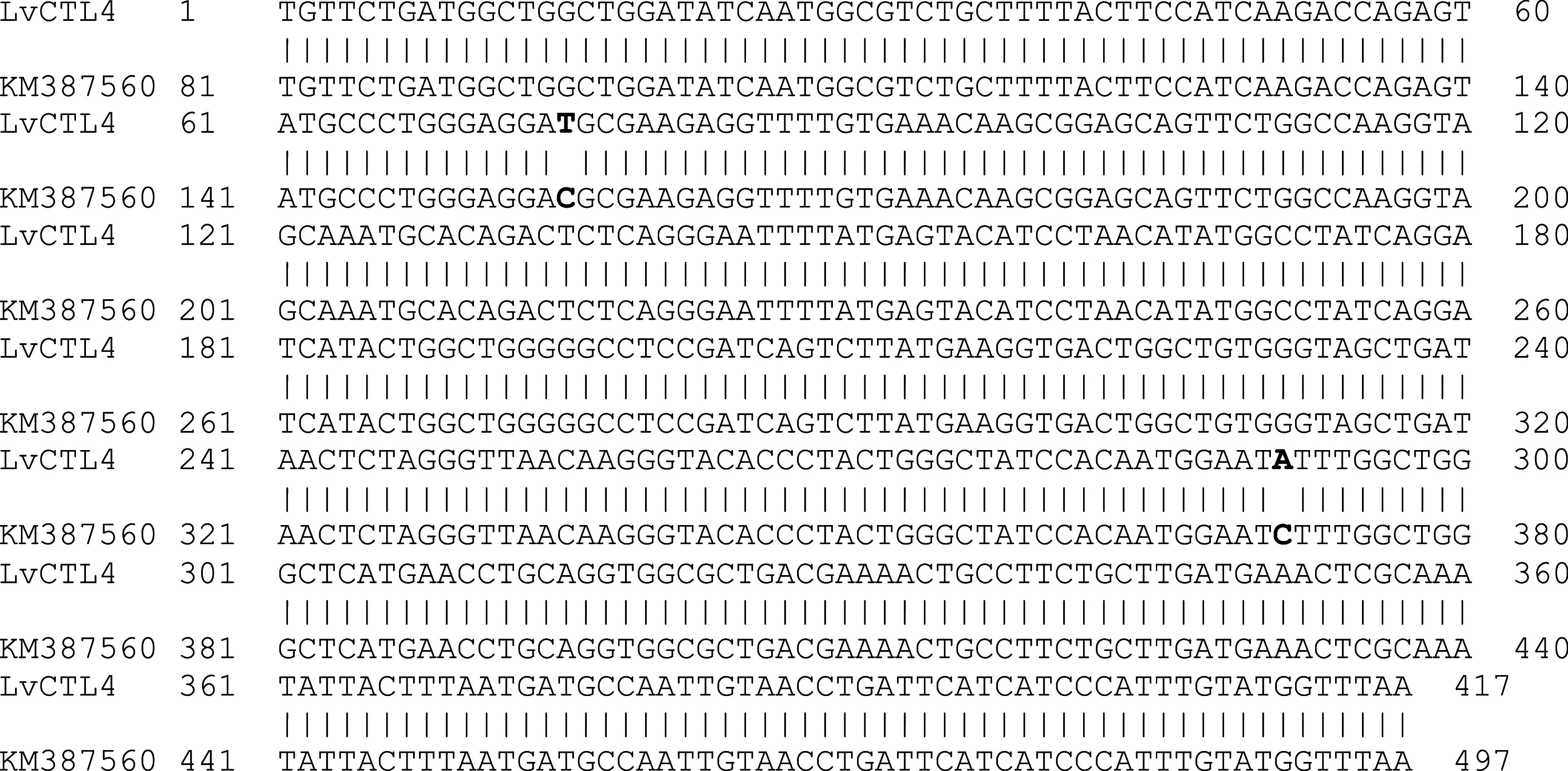 Figure 3
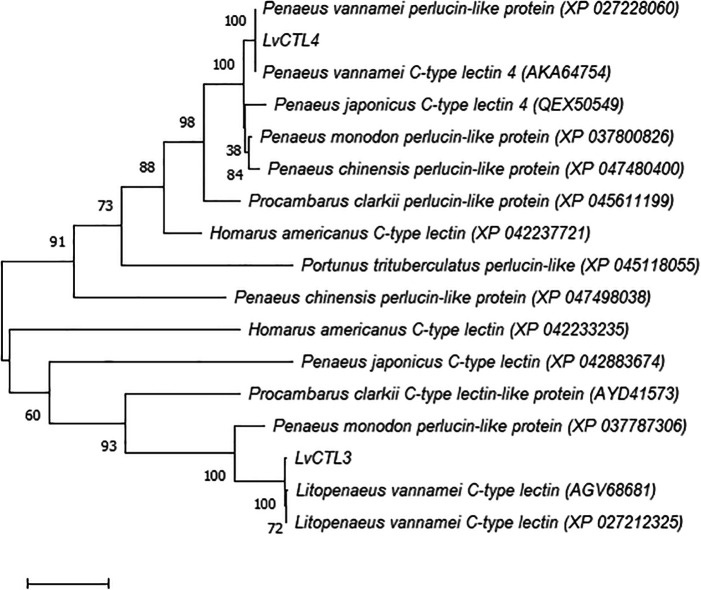 Figure 4
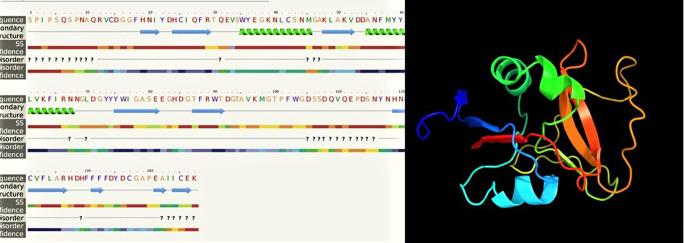 Figure 5
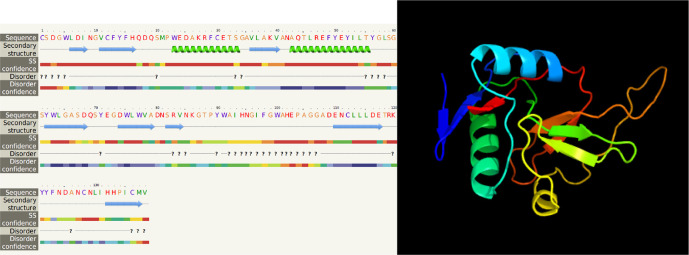 Figure 6
Peer Reviews
No public reviews on file for this paper yet. If you reviewed it on a platform where reviews are public (OpenReview, ICLR, NeurIPS, ICML), you can paste yours below so the community can read it here.
Videos
No videos yet. Explain this paper in a talk, walkthrough, or lecture? Add one.
Taxonomy
TopicsInvertebrate Immune Response Mechanisms · Glycosylation and Glycoproteins Research · Galectins and Cancer Biology