Activation of AMPD2 drives metabolic dysregulation and liver disease in mice with hereditary fructose intolerance
Ana Andres-Hernando, David J. Orlicky, Masanari Kuwabara, Mehdi A. Fini, Dean R. Tolan, Richard J. Johnson, Miguel A. Lanaspa

TL;DR
This study reveals a new metabolic pathway activated in mice with hereditary fructose intolerance, which could lead to better treatments for the disease.
Contribution
The study identifies AMPD2 activation as a novel metabolic event in hereditary fructose intolerance linked to disease progression.
Findings
AMPD2 activation is a common feature in aldolase B deficient mice exposed to fructose.
Deleting AMPD2 in hepatocytes improves metabolic dysregulation and increases fructose tolerance in mice.
AMPD2 activation is driven by a phosphate trap mechanism in these mice.
Abstract
Hereditary fructose intolerance (HFI) is a painful and potentially lethal genetic disease caused by a mutation in aldolase B resulting in accumulation of fructose-1-phosphate (F1P). No cure exists for HFI and treatment is limited to avoid exposure to fructose and sugar. Using aldolase B deficient mice, here we identify a yet unrecognized metabolic event activated in HFI and associated with the progression of the disease. Besides the accumulation of F1P, here we show that the activation of the purine degradation pathway is a common feature in aldolase B deficient mice exposed to fructose. The purine degradation pathway is a metabolic route initiated by adenosine monophosphate deaminase 2 (AMPD2) that regulates overall energy balance. We demonstrate that very low amounts of fructose are sufficient to activate AMPD2 in these mice via a phosphate trap. While blocking AMPD2 do not impact F1P…
Genes, proteins, chemicals, diseases, species, mutations and cell lines named across the full text — each resolved to its canonical identifier and authoritative record.
Click any figure to enlarge with its caption.
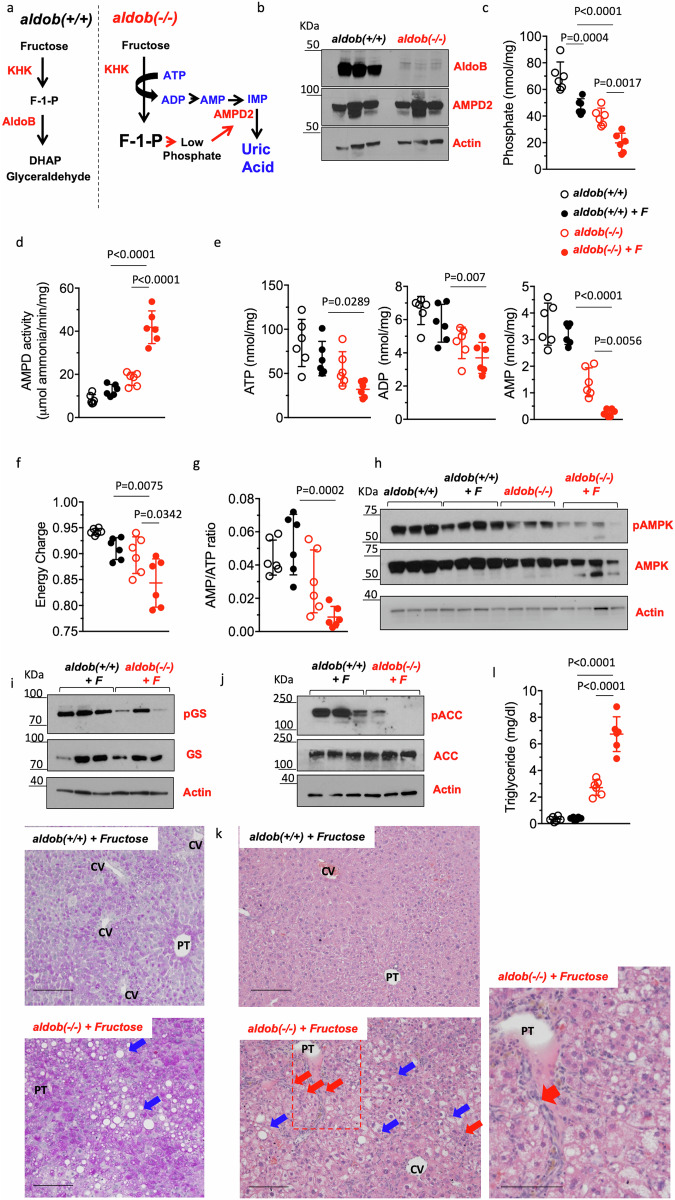 Figure 1
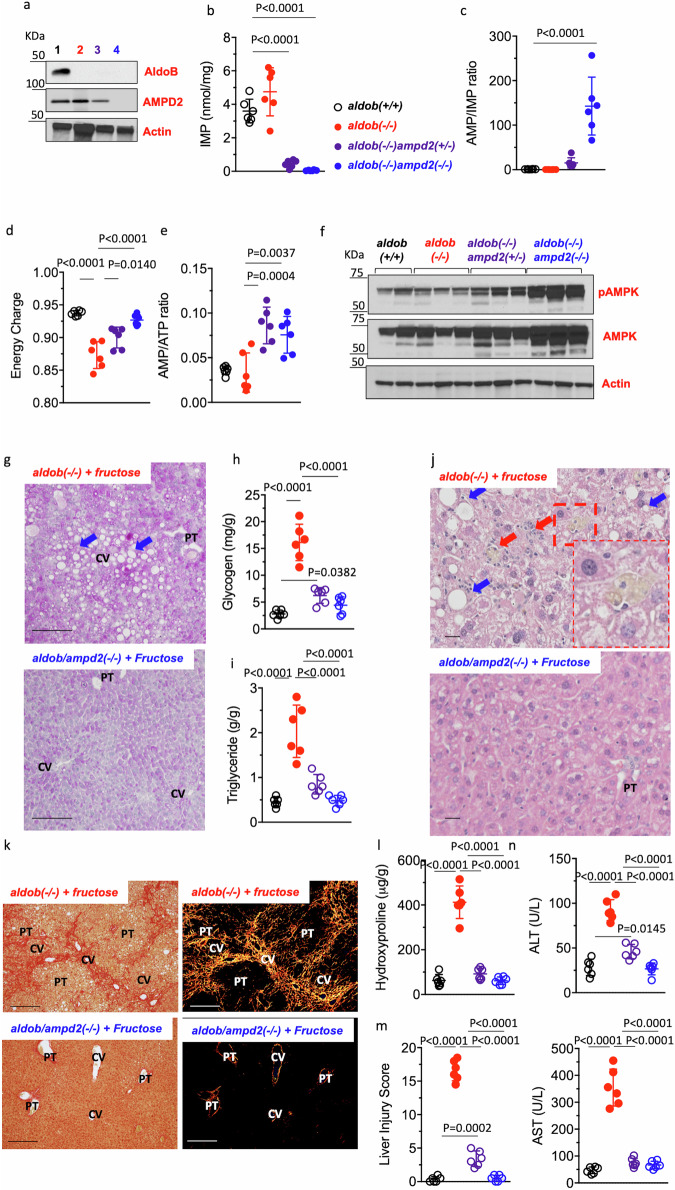 Figure 2
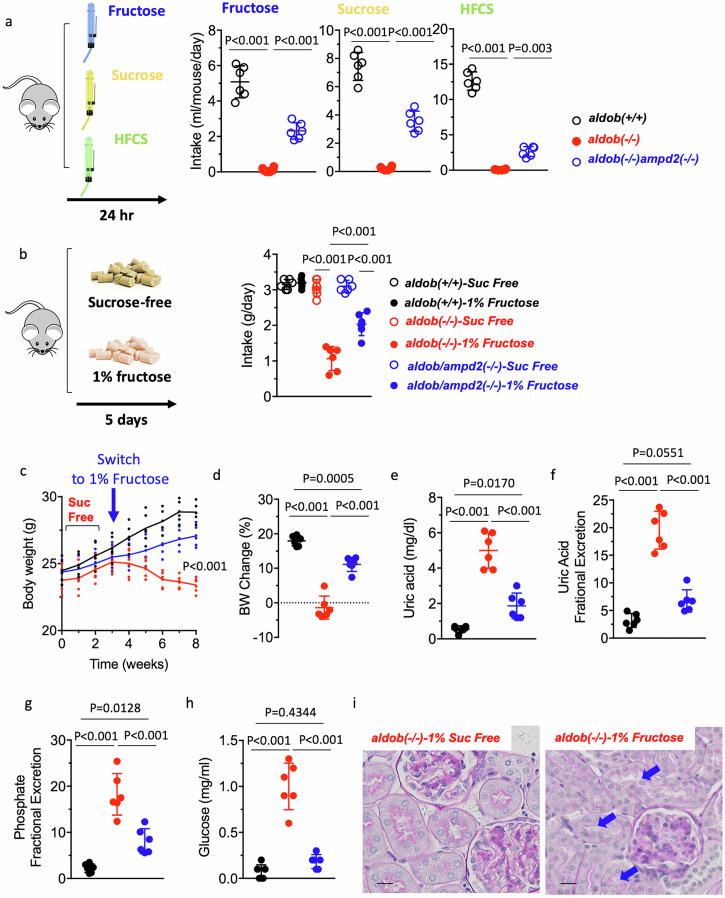 Figure 3
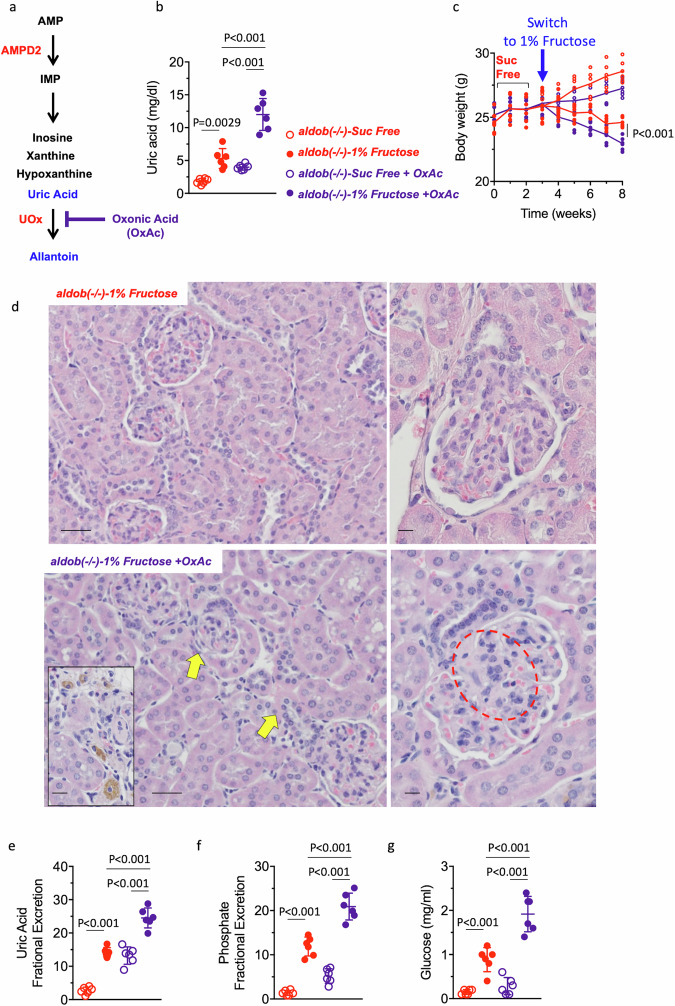 Figure 4
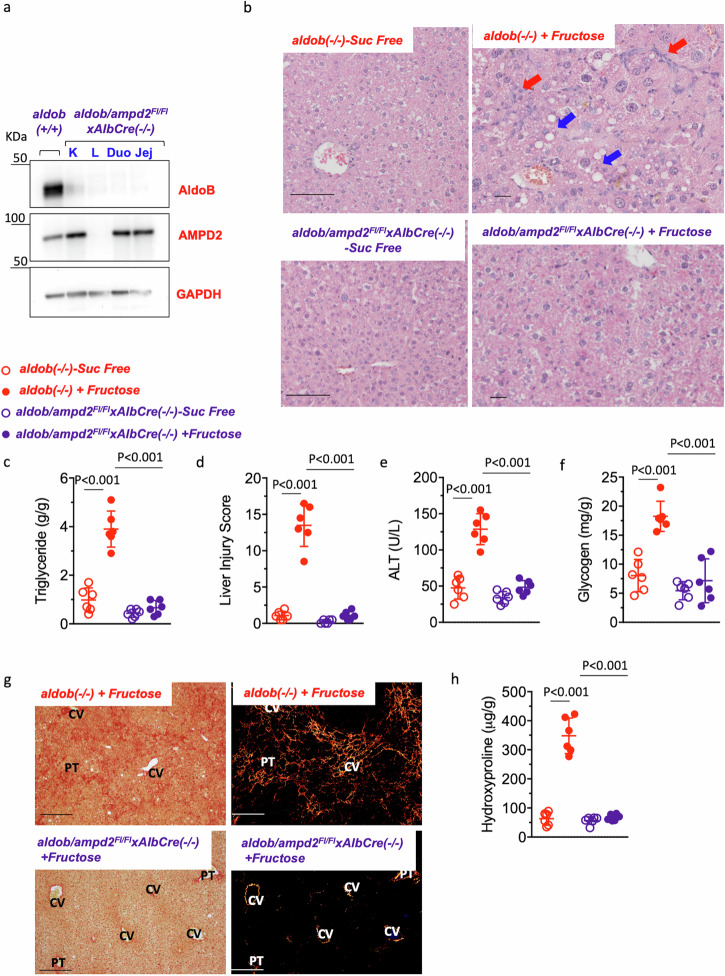 Figure 5
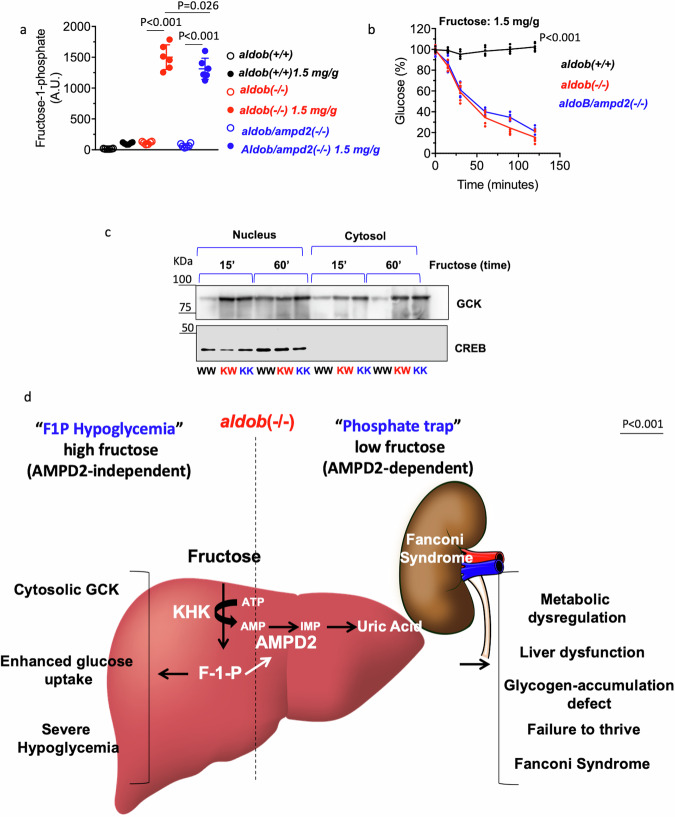 Figure 6
Peer Reviews
No public reviews on file for this paper yet. If you reviewed it on a platform where reviews are public (OpenReview, ICLR, NeurIPS, ICML), you can paste yours below so the community can read it here.
Videos
No videos yet. Explain this paper in a talk, walkthrough, or lecture? Add one.
Taxonomy
TopicsDiet, Metabolism, and Disease · Liver Disease Diagnosis and Treatment · Pancreatic function and diabetes