Role of plasminogen activated inhibitor-1 in the pathogenesis of anticoagulant related nephropathy
Ajay Medipally, Min Xiao, Laura Biederman, Alana Dasgupta, Anjali A. Satoskar, Samir Parikh, Iouri Ivanov, Galina Mikhalina, Sergey V. Brodsky

TL;DR
This study explores how PAI-1 affects anticoagulant-related kidney damage, finding that it reduces oxidative stress but not glomerular bleeding.
Contribution
The study introduces a novel animal model to investigate PAI-1's role in anticoagulant-induced nephropathy.
Findings
PAI-1 inhibition reduces oxidative stress in anticoagulant-treated rats.
PAI-1 does not prevent glomerular hemorrhage in anticoagulant-related nephropathy.
TM5441 dose-dependently ameliorates serum creatinine increase in 5/6NE rats.
Abstract
Anticoagulant related nephropathy (ARN) is the result of glomerular hemorrhage in patients on systemic anticoagulation therapy or underlying coagulopathy. Red blood cells (RBC) that passed through the glomerular filtration barrier form RBC casts in the tubules, increase oxidative stress and result in acute tubular necrosis (ATN). The mechanisms of ARN still not completely discovered. Plasminogen activator inhibitor-1 (PAI-1) plays a significant role in the maintenance of coagulation homeostasis. We developed an animal model to study ARN in 5/6 nephrectomy (5/6NE) rats. The aim of this study was to elucidate the role of PAI-1 in the ARN pathogenesis. 5/6NE rats were treated per os with warfarin (0.75 mg/kg/day) or dabigatran (150 mg/kg/day) alone or in combination with PAI-1 antagonist TM5441 (2.5, 5.0 and 10 mg/kg/day). TM5441 in a dose dependent manner ameliorated anticoagulant-induced…
Genes, proteins, chemicals, diseases, species, mutations and cell lines named across the full text — each resolved to its canonical identifier and authoritative record.
Click any figure to enlarge with its caption.
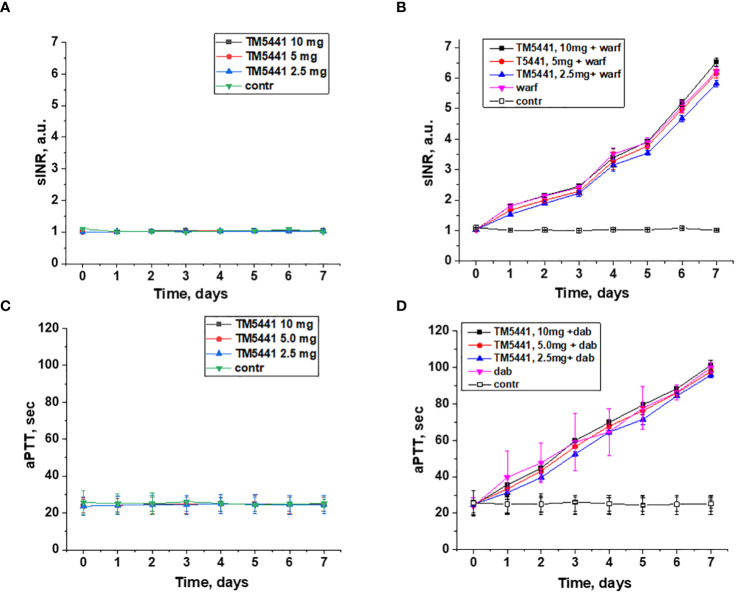 Figure 1
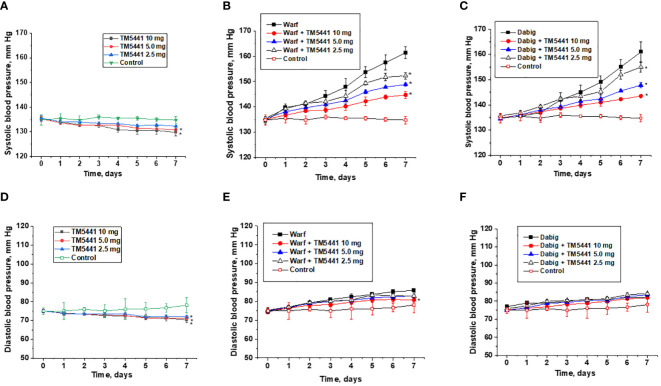 Figure 2
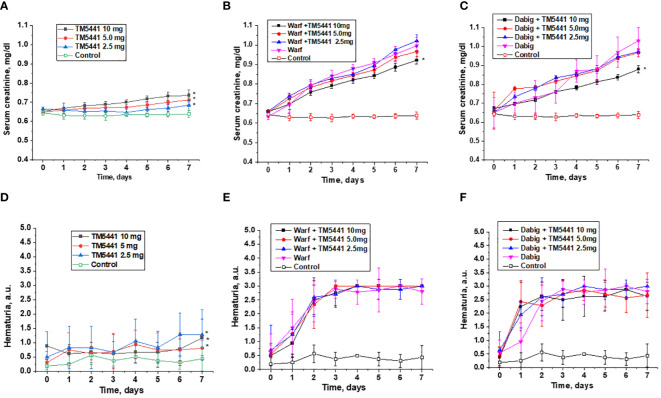 Figure 3
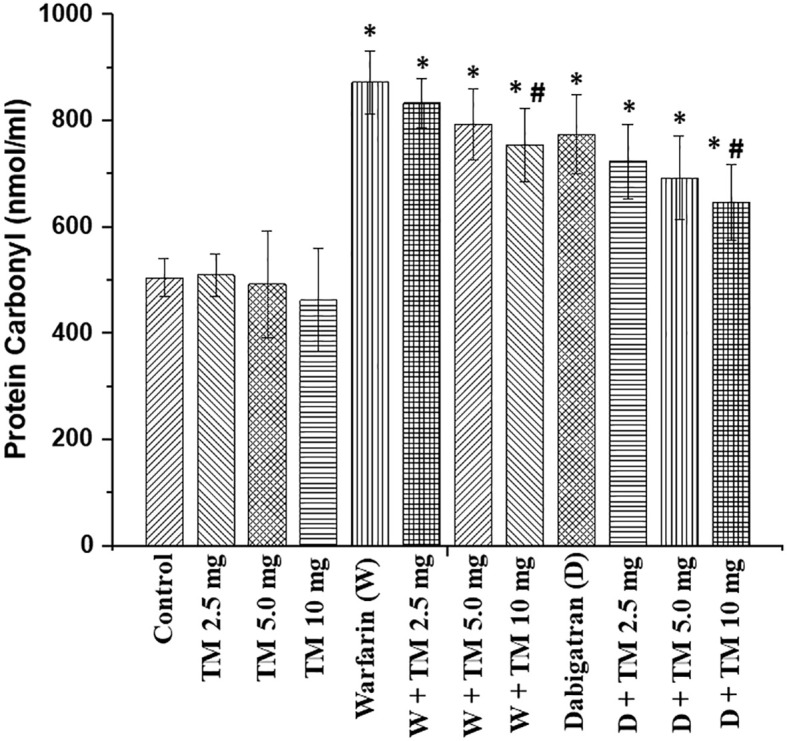 Figure 4
Peer Reviews
No public reviews on file for this paper yet. If you reviewed it on a platform where reviews are public (OpenReview, ICLR, NeurIPS, ICML), you can paste yours below so the community can read it here.
Videos
No videos yet. Explain this paper in a talk, walkthrough, or lecture? Add one.
Taxonomy
TopicsBlood Coagulation and Thrombosis Mechanisms · Coagulation, Bradykinin, Polyphosphates, and Angioedema · Amyloidosis: Diagnosis, Treatment, Outcomes