Adaptation of SIVmac to baboon primary cells results in complete absence of in vivo baboon infectivity
Veronica Obregon-Perko, Amanda Mannino, Jason T. Ladner, Vida Hodara, Diako Ebrahimi, Laura Parodi, Jessica Callery, Gustavo Palacios, Luis D. Giavedoni

TL;DR
Scientists adapted SIVmac to grow in baboon cells, but the adapted virus could not infect baboons effectively, suggesting natural immunity mechanisms prevent infection.
Contribution
The study shows that SIVmac adapted to baboon cells in culture loses the ability to cause infection in vivo, revealing insights into baboon antiviral immunity.
Findings
SIVmac variants adapted to baboon cells showed increased replication in cell culture.
Adapted SIV variants failed to establish detectable infection in baboons.
Mutations in adapted SIV did not confer replicative advantage in vivo.
Abstract
While simian immunodeficiency virus (SIV) infection is non-pathogenic in naturally infected African nonhuman primate hosts, experimental or accidental infection in rhesus macaques often leads to AIDS. Baboons, widely distributed throughout Africa, do not naturally harbor SIV, and experimental infection of baboons with SIVmac results in transient low-level viral replication. Elucidation of mechanisms of natural immunity in baboons could uncover new targets of antiviral intervention. We tested the hypothesis that an SIVmac adapted to replicate in baboon primary cells will gain the capacity to establish chronic infections in vivo. Here, we generated SIVmac variants in baboon cells through serial passage in PBMC from different donors (SIVbn-PBMC s1), in PBMC from the same donors (SIVbn-PBMC s2), or in isolated CD4 cells from the same donors used for series 2 (SIVbn-CD4). While SIVbn-PBMC s1…
Genes, proteins, chemicals, diseases, species, mutations and cell lines named across the full text — each resolved to its canonical identifier and authoritative record.
Click any figure to enlarge with its caption.
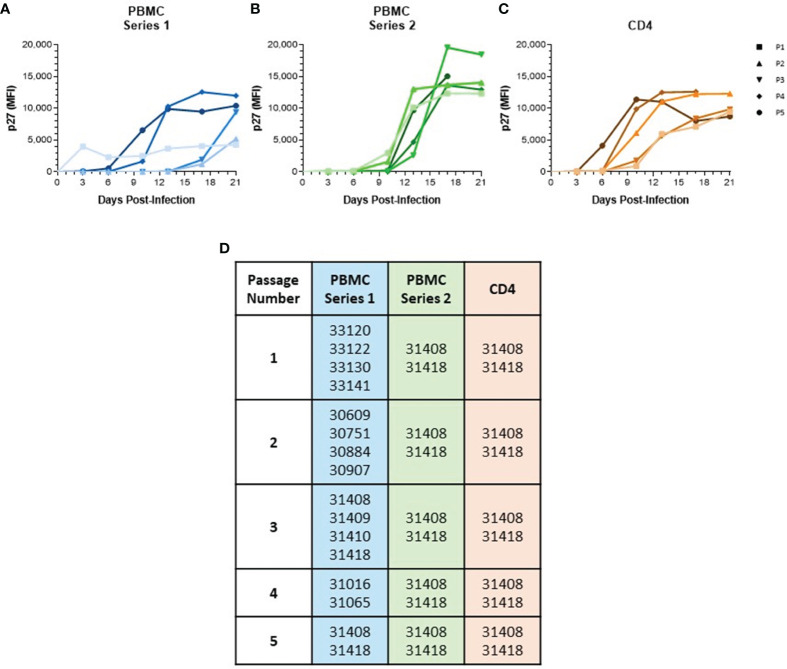 Figure 1
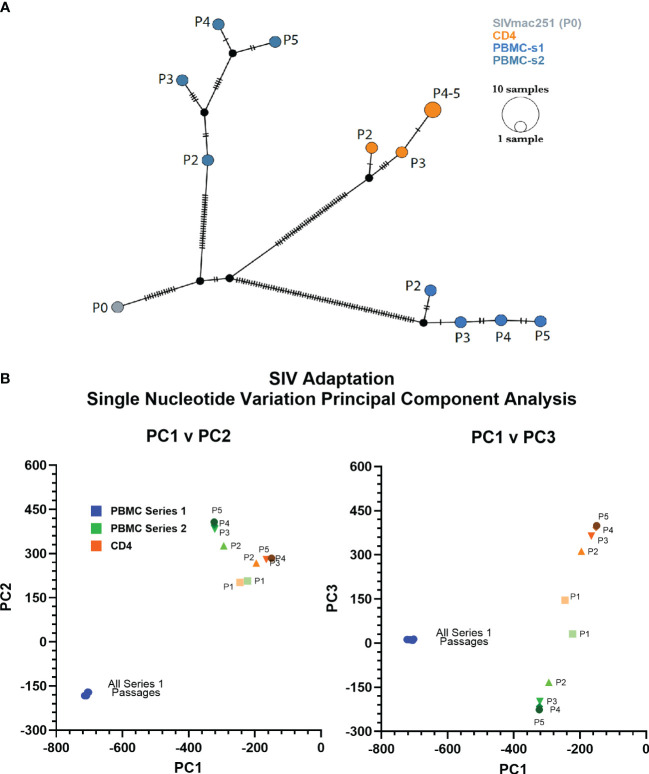 Figure 2
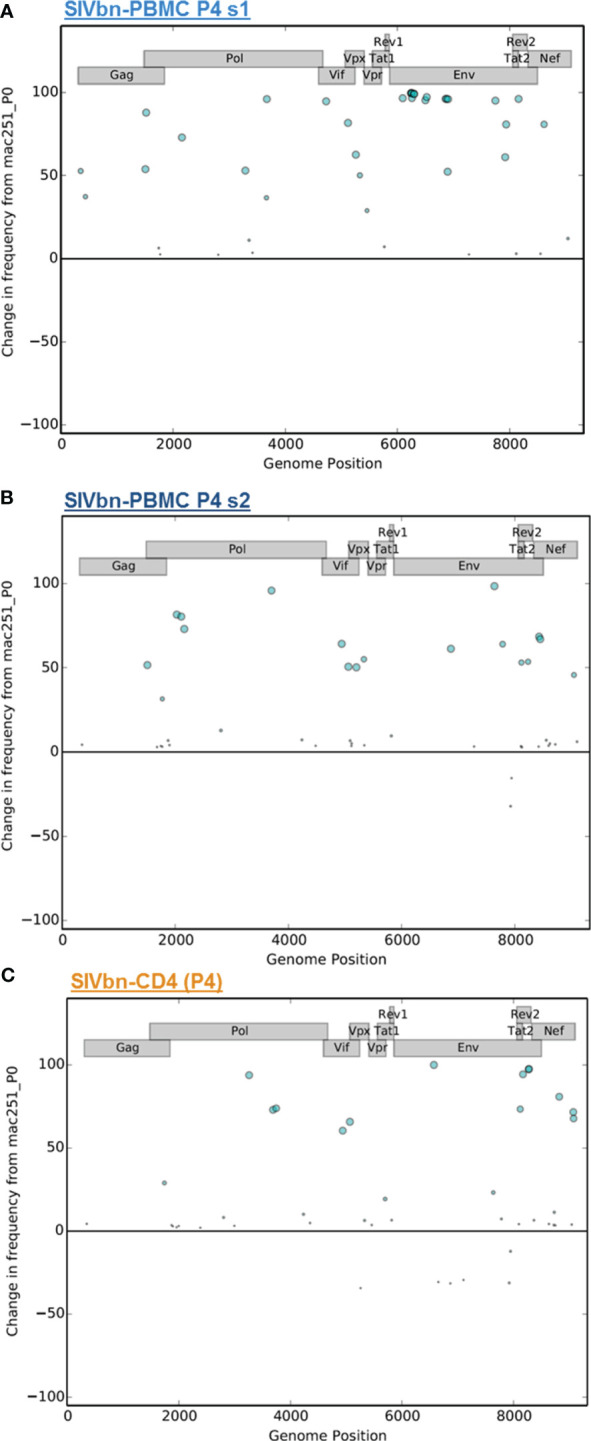 Figure 3
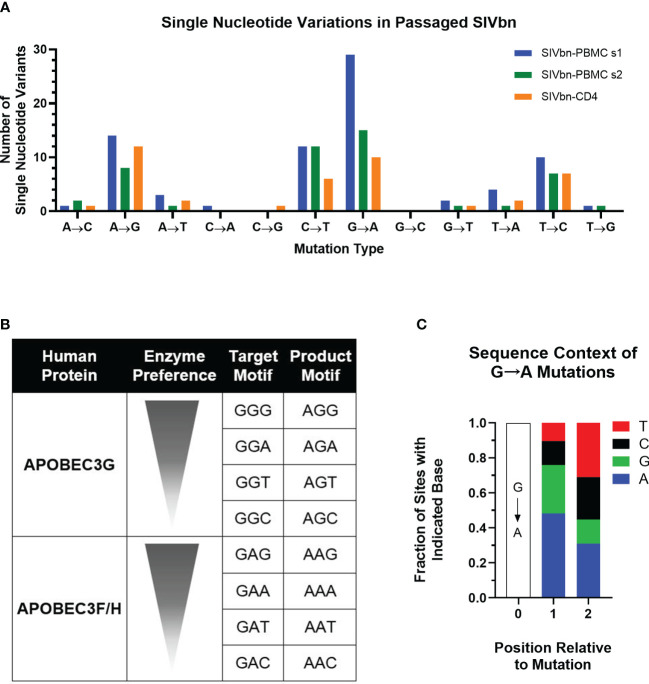 Figure 4
 Figure 5
 Figure 6
 Figure 7
 Figure 8
Peer Reviews
No public reviews on file for this paper yet. If you reviewed it on a platform where reviews are public (OpenReview, ICLR, NeurIPS, ICML), you can paste yours below so the community can read it here.
Videos
No videos yet. Explain this paper in a talk, walkthrough, or lecture? Add one.
Taxonomy
TopicsHIV Research and Treatment · Virology and Viral Diseases · Herpesvirus Infections and Treatments