X-ray Imaging Versus Anatomical Dissection for Identification of the Fabella
Jay M Bauman, Obadah A Alzahabi

TL;DR
X-ray imaging misses many fabella bones found through dissection, suggesting that not all fabellae are detectable by standard radiology methods.
Contribution
This study directly compares X-ray and dissection methods for fabella detection and identifies density as a key factor in visibility.
Findings
Dissection found fabellae in 40% of knees, while X-rays found them in only 12%.
Fabellae missed by X-rays were less dense but still denser than surrounding tissue.
28% of the population had fabellae that were not visible via X-ray.
Abstract
Introduction: Reported prevalence rates of the fabella sesamoid bone vary widely, particularly between studies based on either X-ray imaging or anatomical dissection approaches. The purpose of this study was to directly compare these two methodologies in their detection of fabellae and investigate whether variability in the density of fabellae could explain any discrepancies. Methods: Fifty cadaveric knee segments were examined for the presence of a fabella by both X-ray imaging and anatomical dissection. The relative density of each excised fabella specimen was then quantified using a separate set of radiographs. Results: Fabellae were detected in 40% of the sample knees via a manual dissection approach but in just 12% of those same specimens using X-ray imaging. Relative density measurements confirmed that fabellae identifiable only via dissection were significantly less dense than…
Genes, proteins, chemicals, diseases, species, mutations and cell lines named across the full text — each resolved to its canonical identifier and authoritative record.
Click any figure to enlarge with its caption.
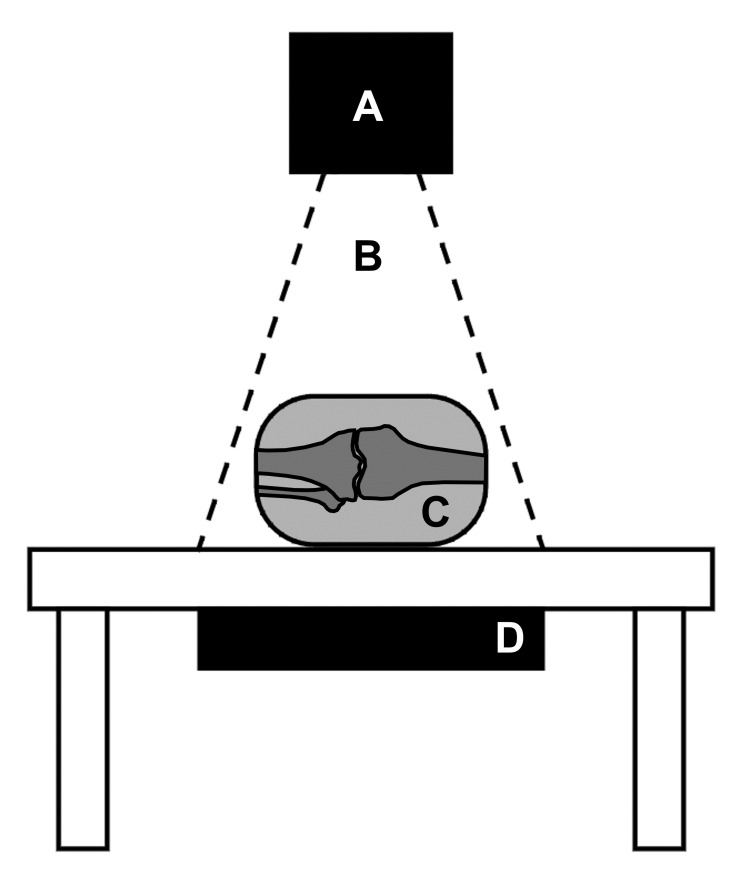 Figure 1
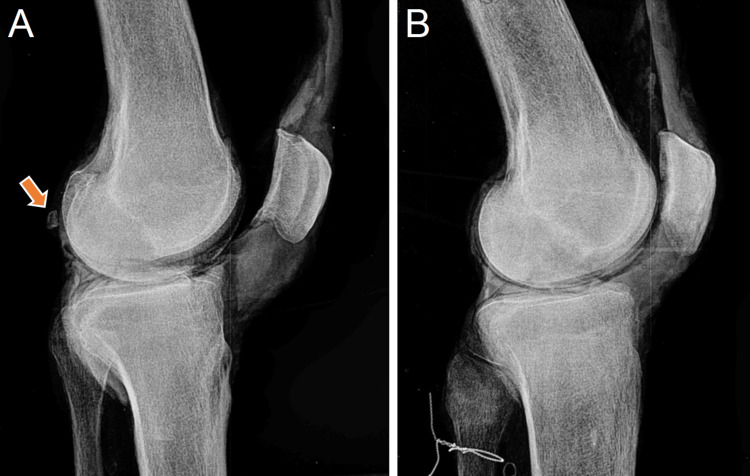 Figure 2
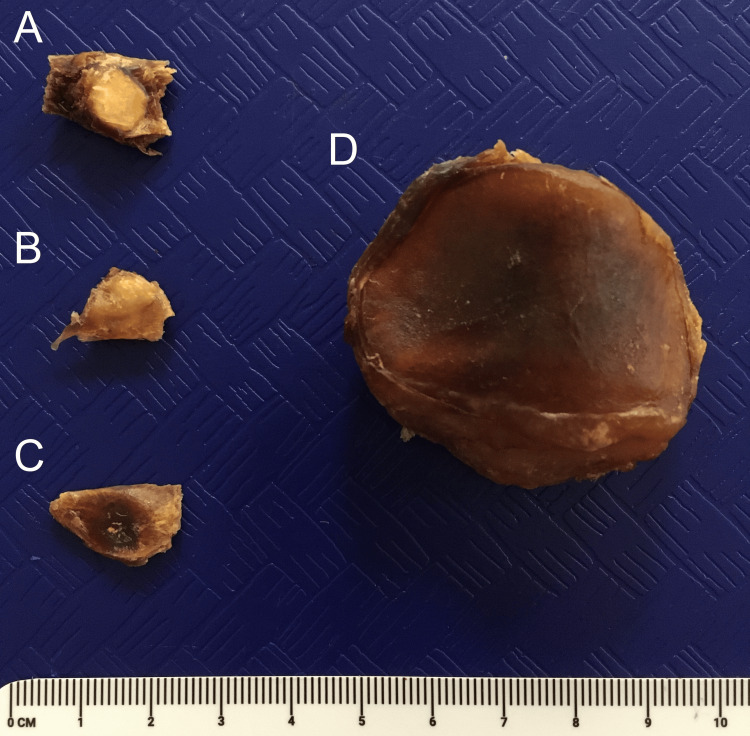 Figure 3
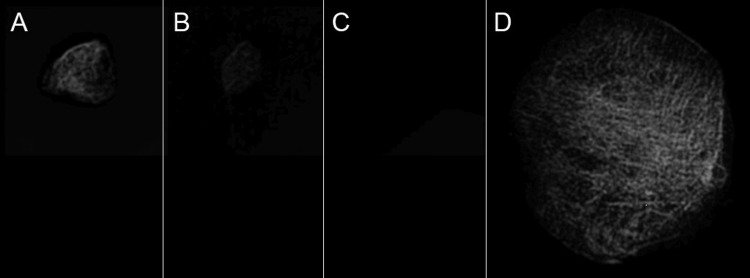 Figure 4
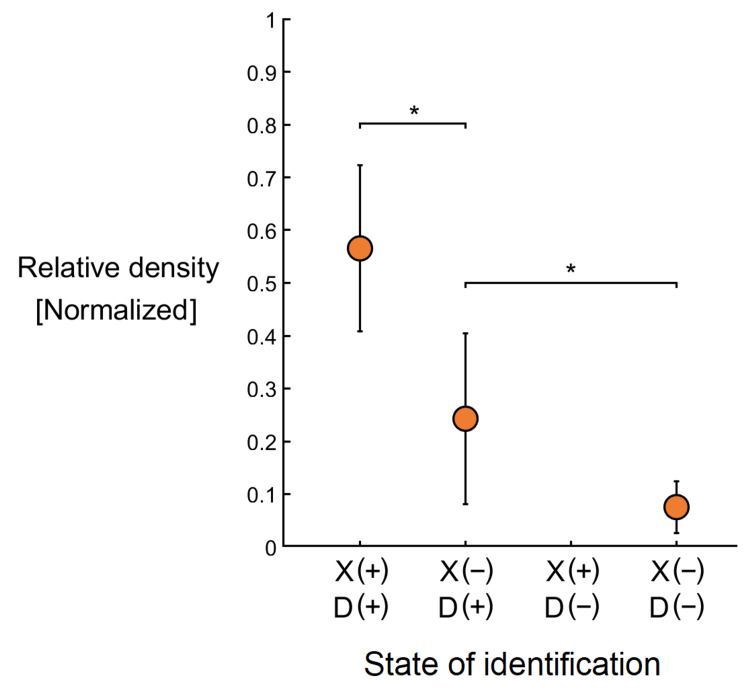 Figure 5
Peer Reviews
No public reviews on file for this paper yet. If you reviewed it on a platform where reviews are public (OpenReview, ICLR, NeurIPS, ICML), you can paste yours below so the community can read it here.
Videos
No videos yet. Explain this paper in a talk, walkthrough, or lecture? Add one.
Taxonomy
TopicsShoulder Injury and Treatment · Sports injuries and prevention · Orthopedic Surgery and Rehabilitation