Investigation and Management of Lower Limb Septic Arthritis in Children: An Update Using the Latest British Orthopaedic Association Standard for Trauma (BOAST) Guidelines
Alexandra Sebastiao, Haseeb Khawar, Russell Hawkins

TL;DR
This paper updates the management of lower limb septic arthritis in children using the latest BOAST guidelines, emphasizing early diagnosis and treatment to prevent complications.
Contribution
The paper provides an updated clinical approach to managing lower limb septic arthritis in children based on the latest BOAST guidelines.
Findings
Early recognition and treatment are crucial to prevent complications like sepsis and joint damage.
Diagnosis relies on clinical signs, inflammatory markers, and imaging.
Antibiotic therapy and surgical washout are key components of management.
Abstract
Septic arthritis is a serious condition in children, with the hip and knee joints most typically affected. Patients typically present with pain, joint swelling, fever, and an inability to bear weight. Early recognition and treatment are crucial, as untreated septic arthritis can lead to serious complications, including sepsis, irreversible joint damage, growth problems, and early-onset arthritis. Clinical signs, inflammatory markers, and imaging are used for the diagnosis of septic arthritis. The mainstay of management includes antibiotic therapy and surgical washout. Long-term follow-up is essential to monitor for complications.
Genes, proteins, chemicals, diseases, species, mutations and cell lines named across the full text — each resolved to its canonical identifier and authoritative record.
Click any figure to enlarge with its caption.
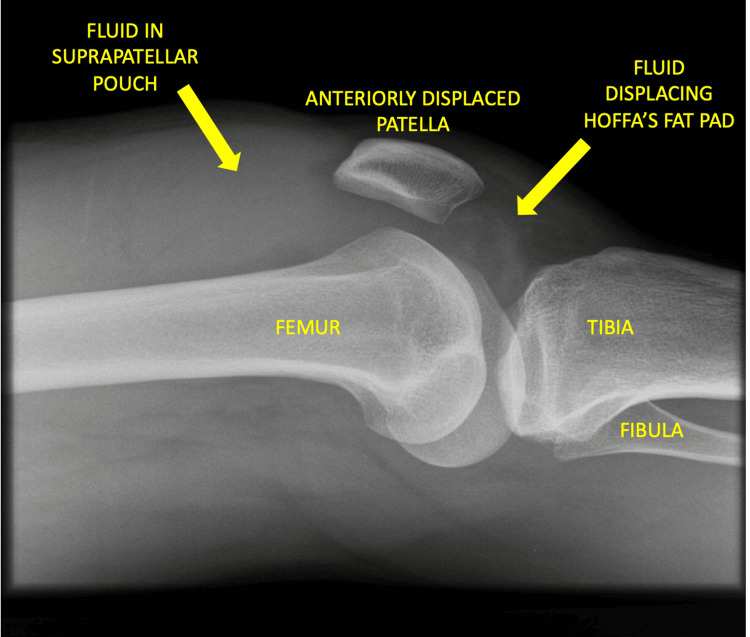 Figure 1
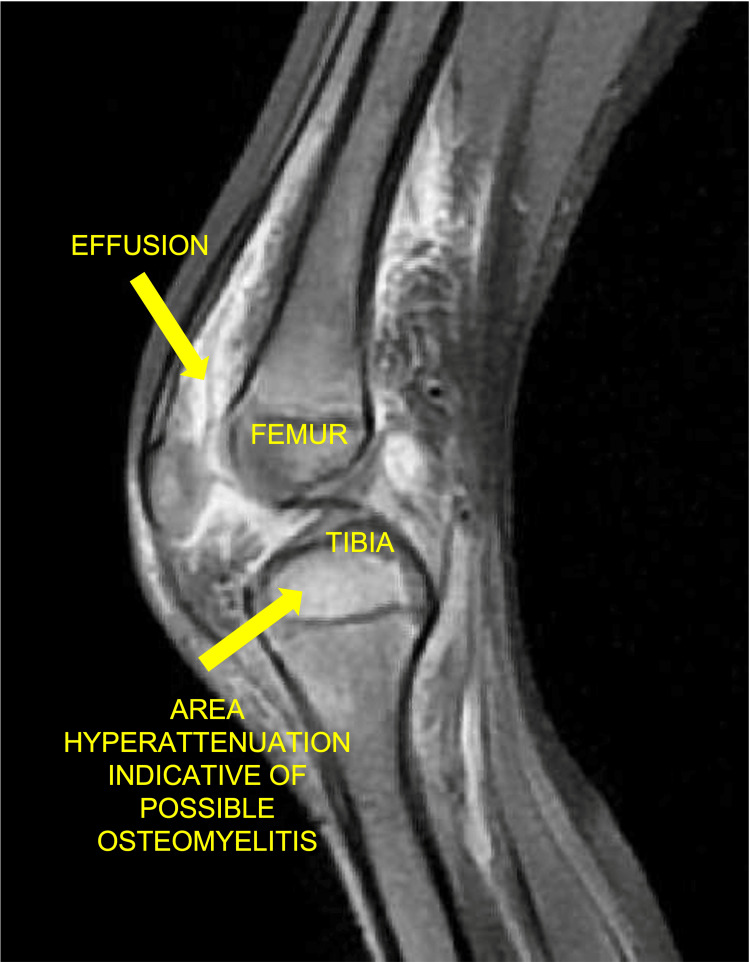 Figure 2
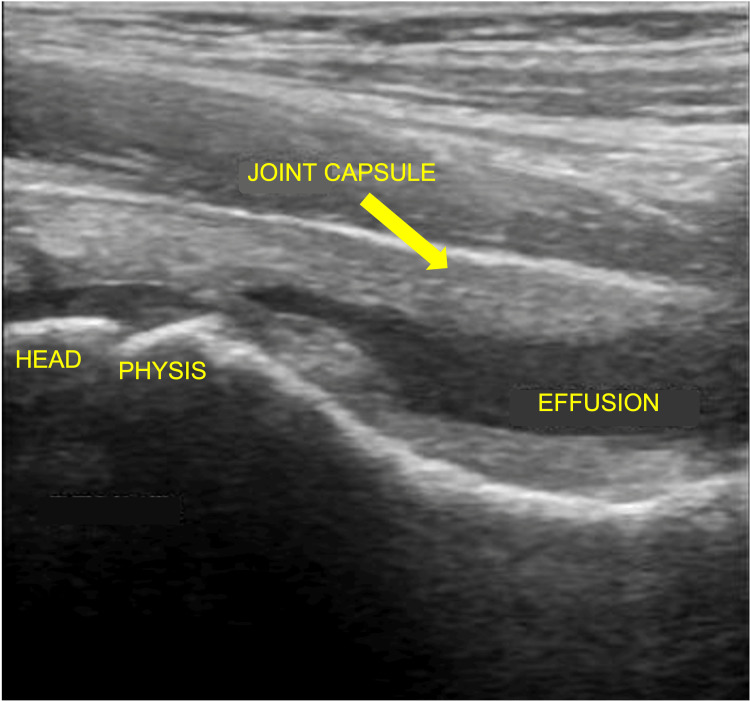 Figure 3
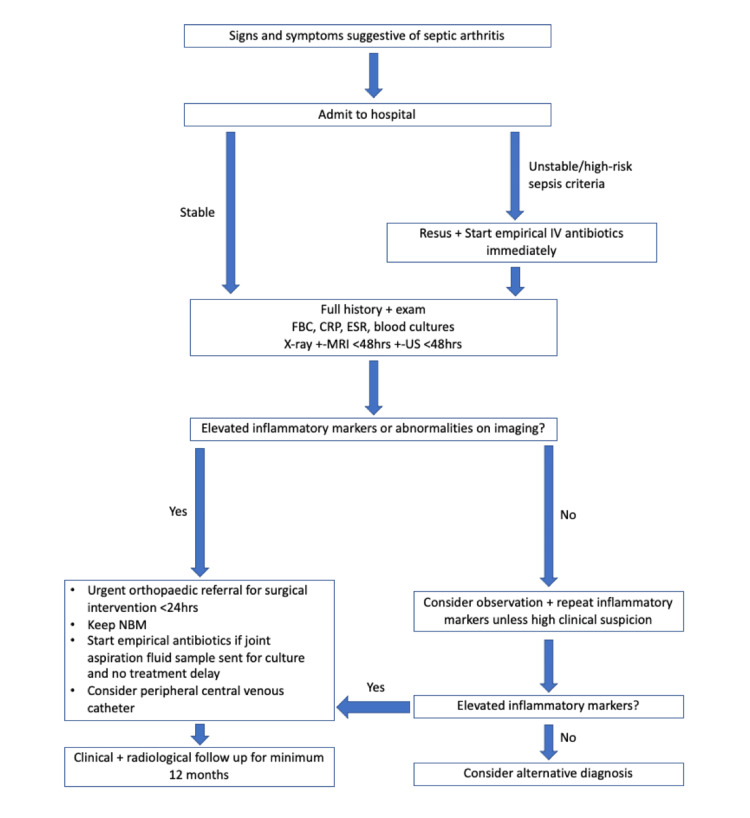 Figure 4
Peer Reviews
No public reviews on file for this paper yet. If you reviewed it on a platform where reviews are public (OpenReview, ICLR, NeurIPS, ICML), you can paste yours below so the community can read it here.
Videos
No videos yet. Explain this paper in a talk, walkthrough, or lecture? Add one.
Taxonomy
TopicsOrthopedic Infections and Treatments · Musculoskeletal Disorders and Rehabilitation · Bone fractures and treatments