Exosomes: a review of biologic function, diagnostic and targeted therapy applications, and clinical trials
Yi-Fan Chen, Frank Luh, Yuan-Soon Ho, Yun Yen

TL;DR
This review explains how exosomes, tiny cell-derived particles, can be used for diagnosis and targeted cancer therapy.
Contribution
The paper provides a comprehensive overview of exosome biology, isolation methods, and their therapeutic and diagnostic applications.
Findings
Exosomes carry nucleic acids, proteins, and metabolites that influence recipient cells.
Exosomes have potential in cancer diagnostics and targeted drug delivery.
Clinical applications of exosomes in cancer therapeutics are being explored.
Abstract
Exosomes are extracellular vesicles generated by all cells and they carry nucleic acids, proteins, lipids, and metabolites. They mediate the exchange of substances between cells,thereby affecting biological properties and activities of recipient cells. In this review, we briefly discuss the composition of exocomes and exosome isolation. We also review the clinical applications of exosomes in cancer biology as well as strategies in exosome-mediated targeted drug delivery systems. Finally, the application of exosomes in the context of cancer therapeutics both in practice and literature are discussed.
Genes, proteins, chemicals, diseases, species, mutations and cell lines named across the full text — each resolved to its canonical identifier and authoritative record.
Click any figure to enlarge with its caption.
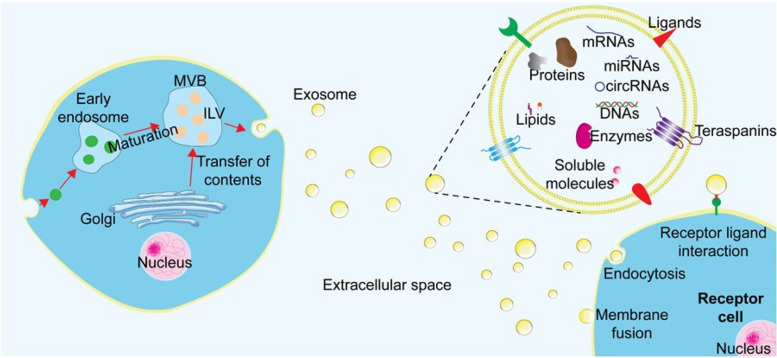 Figure 1
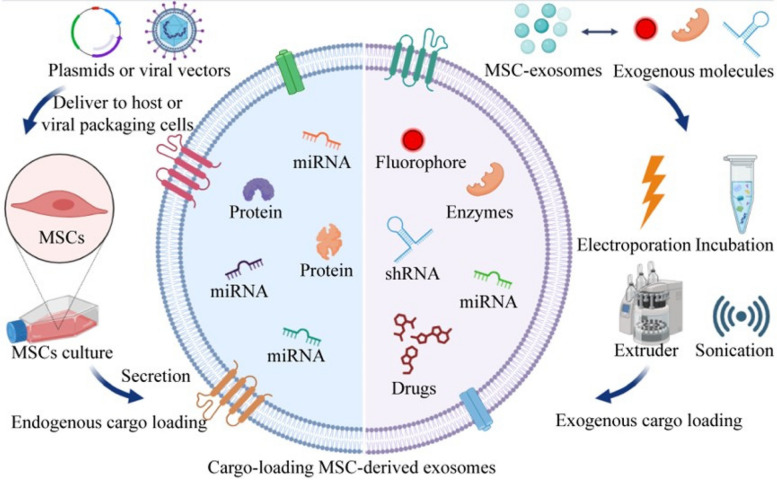 Figure 2
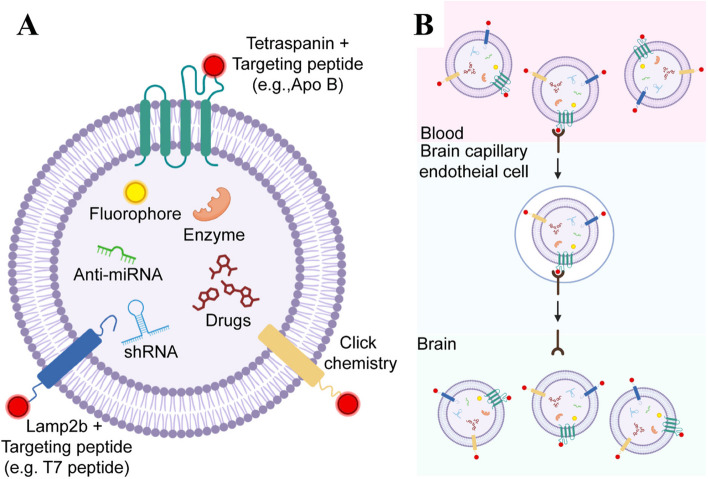 Figure 3
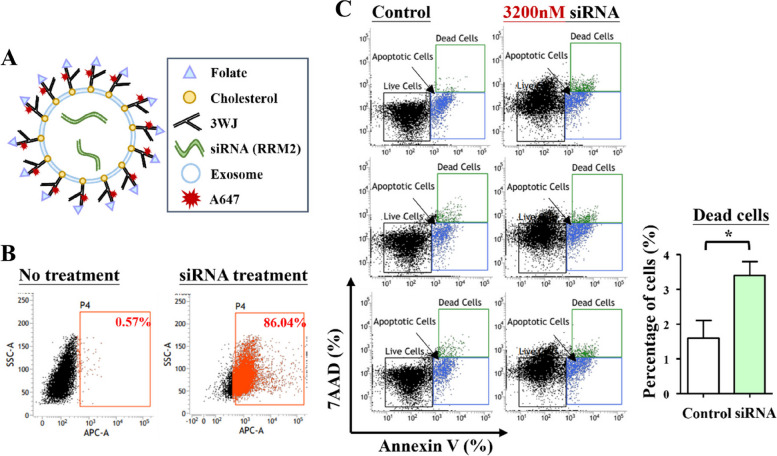 Figure 4
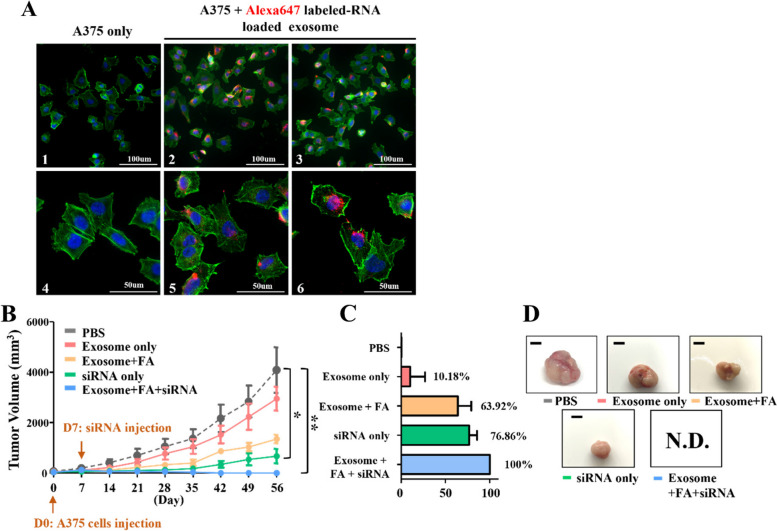 Figure 5
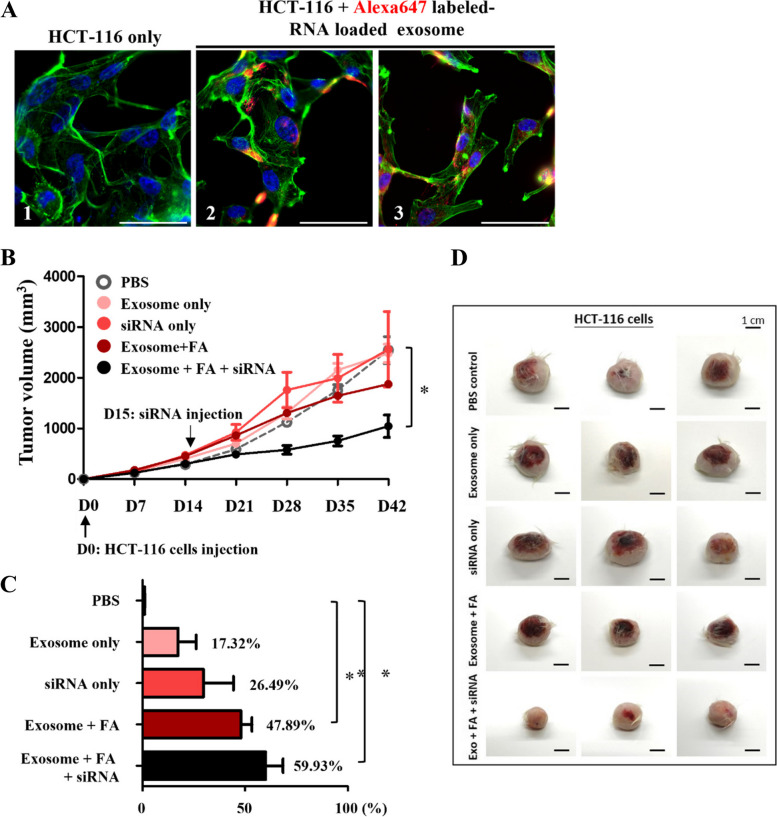 Figure 6
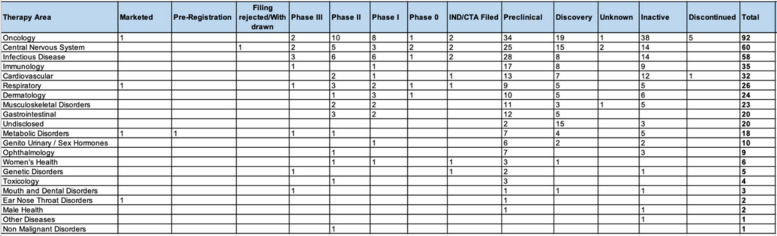 Figure 7
Peer Reviews
No public reviews on file for this paper yet. If you reviewed it on a platform where reviews are public (OpenReview, ICLR, NeurIPS, ICML), you can paste yours below so the community can read it here.
Videos
No videos yet. Explain this paper in a talk, walkthrough, or lecture? Add one.
Taxonomy
TopicsExtracellular vesicles in disease · Silymarin and Mushroom Poisoning · Hydrogen's biological and therapeutic effects