Falling From Laughing: Laughing Gas-Induced Subacute Combined Degeneration From Nitrous Oxide
Abhinav K Rao, Fahim Syed, Thomas J Lee, Gilberto U Umanzor, Jeffrey Bodle

TL;DR
A 27-year-old woman developed spinal cord damage from recreational use of laughing gas, which was reversed with vitamin B12 treatment.
Contribution
This case highlights subacute combined degeneration caused by nitrous oxide and its successful treatment with B12.
Findings
Nitrous oxide use led to B12 depletion and spinal cord demyelination in a young adult.
Aggressive vitamin B12 treatment and cessation of nitrous oxide resulted in patient improvement.
The case underscores the neurotoxic risks of recreational laughing gas use.
Abstract
Laughing gas is becoming increasingly popular as a recreational drug of choice, particularly among young adults. Nitrous oxide, the toxic component of laughing gas, can cause neuronal injury when used in high doses. Through multiple mechanisms, nitrous oxide leads to B12 depletion and subsequent demyelination, particularly in the spinal cord. Here, we present the case of a 27-year-old female who presented with ataxia and was found to have laughing gas-induced subacute combined degeneration from nitrous oxide. After aggressive vitamin B12 repletion and laughing gas cessation for three months, the patient improved.
Genes, proteins, chemicals, diseases, species, mutations and cell lines named across the full text — each resolved to its canonical identifier and authoritative record.
Click any figure to enlarge with its caption.
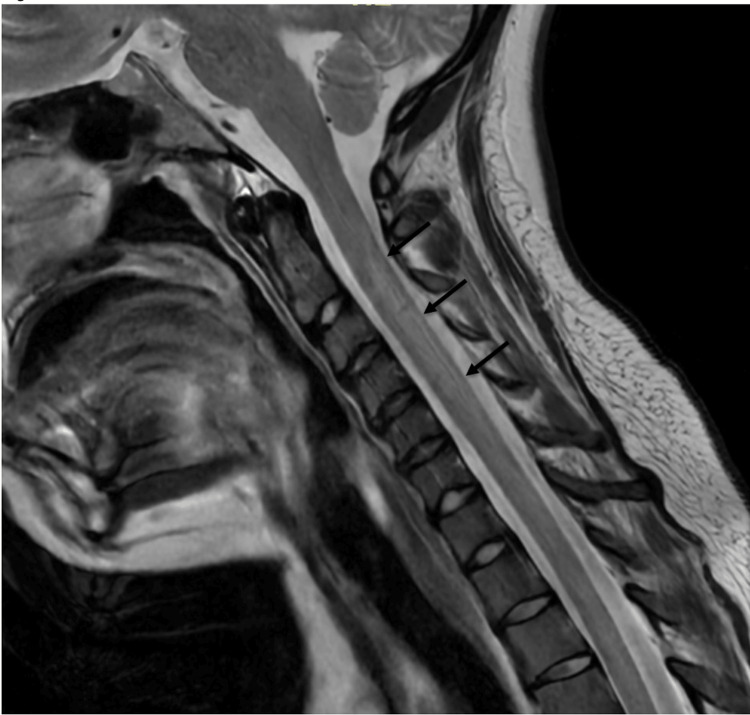 Figure 1
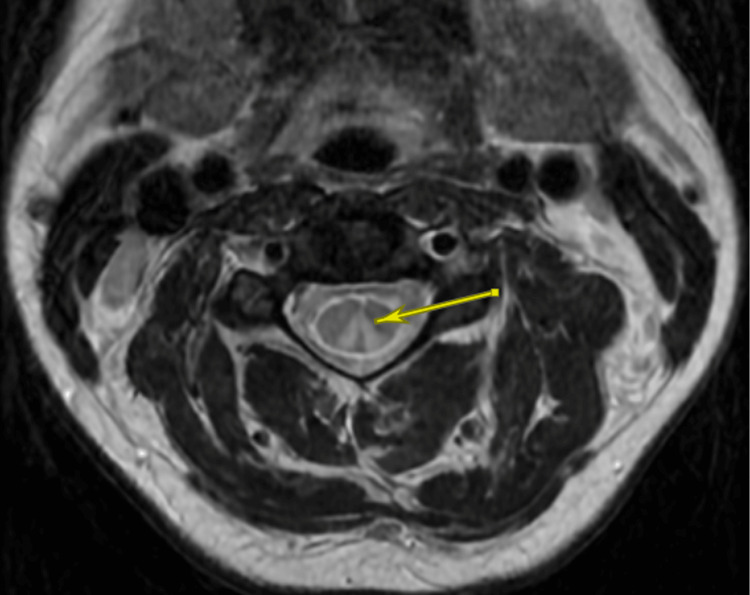 Figure 2
Peer Reviews
No public reviews on file for this paper yet. If you reviewed it on a platform where reviews are public (OpenReview, ICLR, NeurIPS, ICML), you can paste yours below so the community can read it here.
Videos
No videos yet. Explain this paper in a talk, walkthrough, or lecture? Add one.
Taxonomy
TopicsGenetic Neurodegenerative Diseases · Mitochondrial Function and Pathology · Nitric Oxide and Endothelin Effects