Preclinical validation of an Escherichia coli O-antigen glycoconjugate for the prevention of serotype O1 invasive disease
Laurent Chorro, Duston Ndreu, Axay Patel, Srinivas Kodali, Zhenghui Li, David Keeney, Kaushik Dutta, Aniruddha Sasmal, Arthur Illenberger, C. Lynn Torres, Rosalind Pan, Natalie C. Silmon de Monerri, Ling Chu, Raphael Simon, Annaliesa S. Anderson, Robert G. K. Donald

TL;DR
Researchers developed a promising vaccine candidate against Escherichia coli O1 bloodstream infections by creating a glycoconjugate antigen that protects mice from lethal challenges.
Contribution
The study introduces a novel glycoconjugate vaccine candidate for preventing invasive E. coli O1 infections using a conserved O1a antigen.
Findings
The O1a glycoconjugate elicited functional antibodies and protected mice from lethal K1-encapsulated O1a isolates.
Two ST95 strains were susceptible to OPA killing with O1a glycoconjugate post-immune sera.
Mice immunized with the glycoconjugate were protected against neonatal sepsis strains.
Abstract
A US collection of invasive Escherichia coli serotype O1 bloodstream infection (BSI) isolates were assessed for genotypic and phenotypic diversity as the basis for designing a broadly protective O-antigen vaccine. Eighty percent of the BSI isolate serotype O1 strains were genotypically ST95 O1:K1:H7. The carbohydrate repeat unit structure of the O1a subtype was conserved in the three strains tested representing core genome multi-locus sequence types (MLST) sequence types ST95, ST38, and ST59. A long-chain O1a CRM197 lattice glycoconjugate antigen was generated using oxidized polysaccharide and reductive amination chemistry. Two ST95 strains were investigated for use in opsonophagocytic assays (OPA) with immune sera from vaccinated animals and in murine lethal challenge models. Both strains were susceptible to OPA killing with O1a glycoconjugate post-immune sera. One of these, a neonatal…
Genes, proteins, chemicals, diseases, species, mutations and cell lines named across the full text — each resolved to its canonical identifier and authoritative record.
Click any figure to enlarge with its caption.
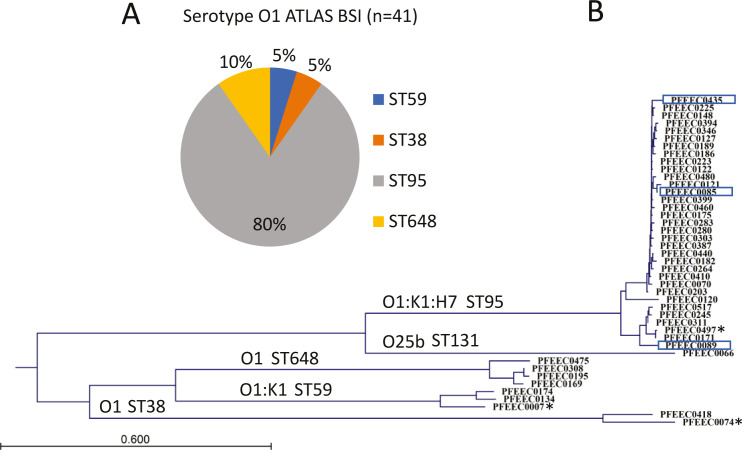 Figure 1
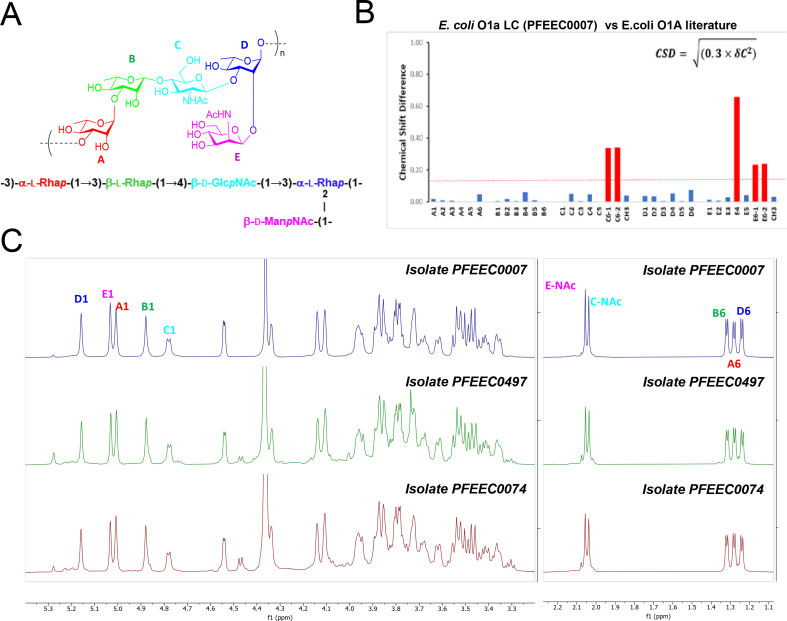 Figure 2
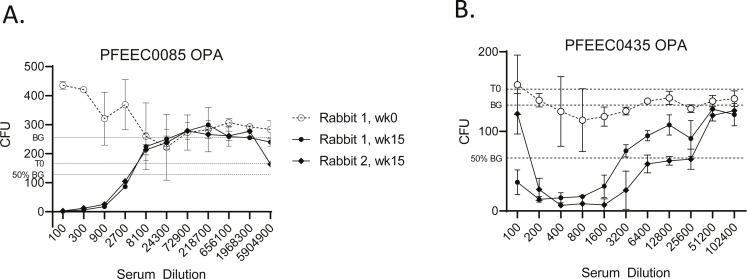 Figure 3
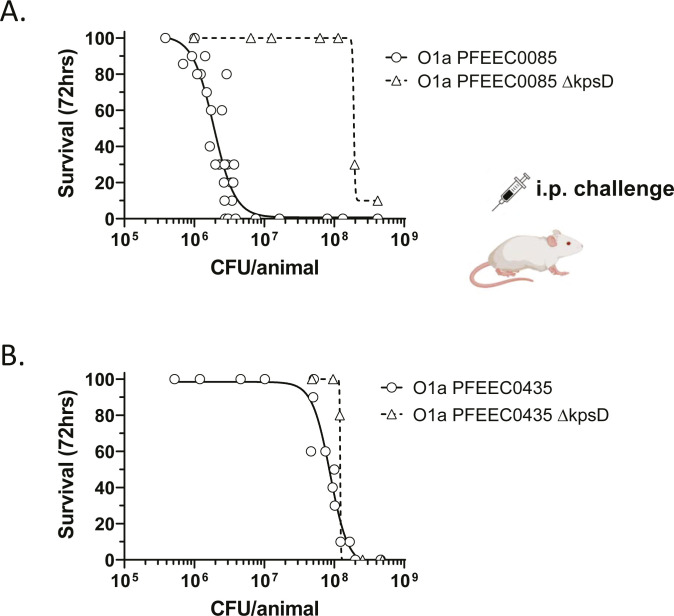 Figure 4
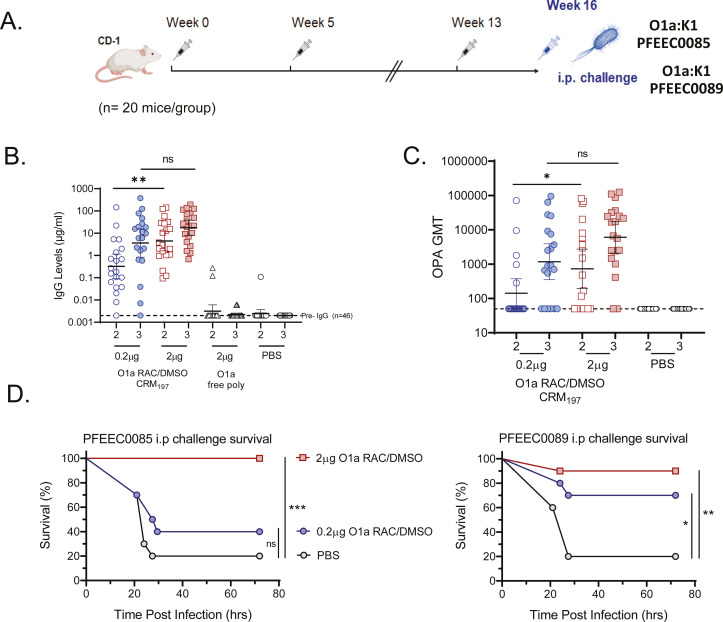 Figure 5
 Figure 6
Peer Reviews
No public reviews on file for this paper yet. If you reviewed it on a platform where reviews are public (OpenReview, ICLR, NeurIPS, ICML), you can paste yours below so the community can read it here.
Videos
No videos yet. Explain this paper in a talk, walkthrough, or lecture? Add one.
Taxonomy
TopicsFrench Historical and Cultural Studies