The isoprenyl chain length of coenzyme Q mediates the nutritional resistance of fungi to amoeba predation
Nauman Saeed, Vito Valiante, Johann E. Kufs, Falk Hillmann

TL;DR
Fungi using a shorter form of CoQ avoid being eaten by amoebae, which need a longer version of the molecule to thrive.
Contribution
The study reveals that CoQ6 in Saccharomyces clade fungi provides resistance to amoeba predation.
Findings
Amoebae fail to proliferate on fungi with CoQ6 but thrive on those with CoQ8-10.
Adding CoQ9 or CoQ10 to CoQ6 fungi rescues amoebae growth.
Genetic engineering of CoQ9 in S. cerevisiae complements the function of CoQ6.
Abstract
Amoebae are environmental predators feeding on bacteria, fungi, and other eukaryotic microbes. Predatory interactions alter microbial communities and impose selective pressure toward phagocytic resistance or escape which may, in turn, foster virulence attributes. The ubiquitous fungivorous amoeba Protostelium aurantium has a wide prey spectrum in the fungal kingdom but discriminates against members of the Saccharomyces clade, such as Saccharomyces cerevisiae and Candida glabrata. Here, we show that this prey discrimination among fungi is solely based on the presence of ubiquinone as an essential cofactor for the predator. While the amoeba readily fed on fungi with CoQ presenting longer isoprenyl side chain variants CoQ8-10, such as those from the Candida clade, it failed to proliferate on those with shorter CoQ variants, specifically from the Saccharomyces clade (CoQ6). Supplementing…
Genes, proteins, chemicals, diseases, species, mutations and cell lines named across the full text — each resolved to its canonical identifier and authoritative record.
Click any figure to enlarge with its caption.
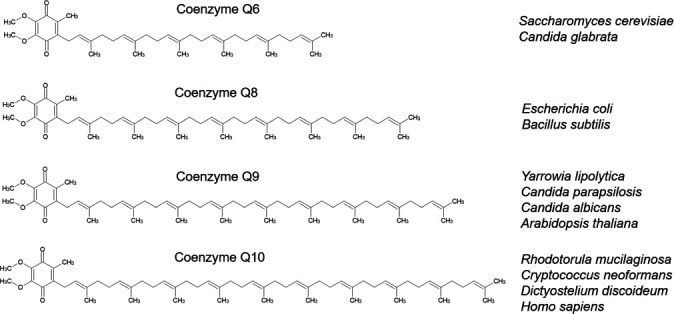 Figure 1
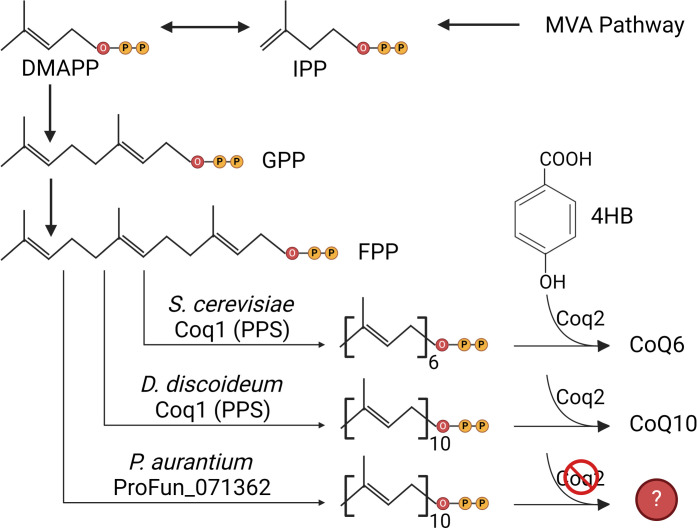 Figure 2
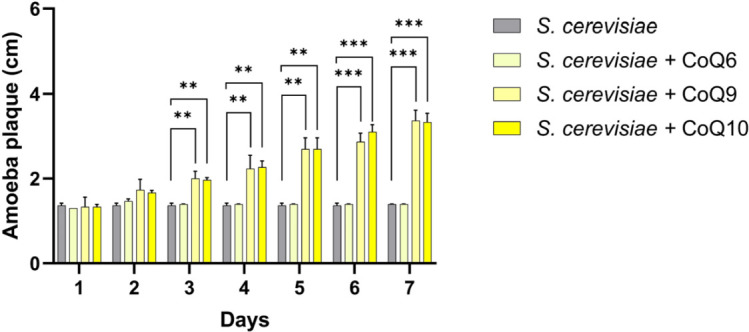 Figure 3
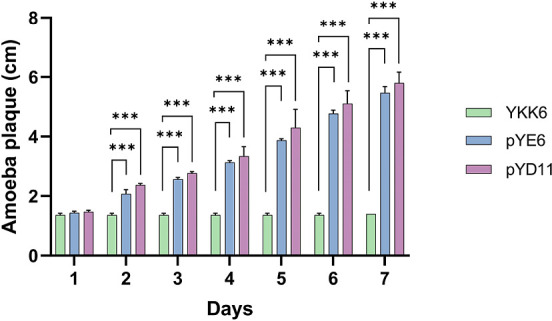 Figure 4
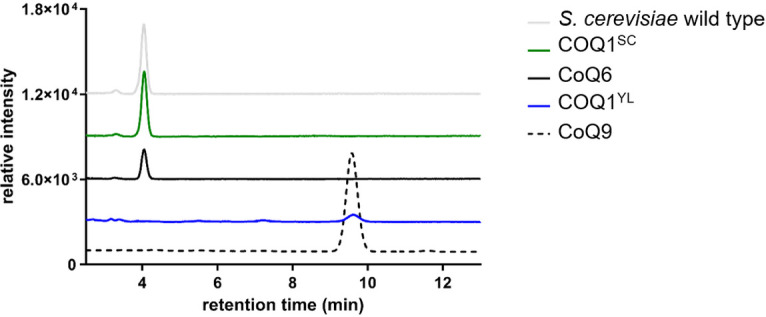 Figure 5
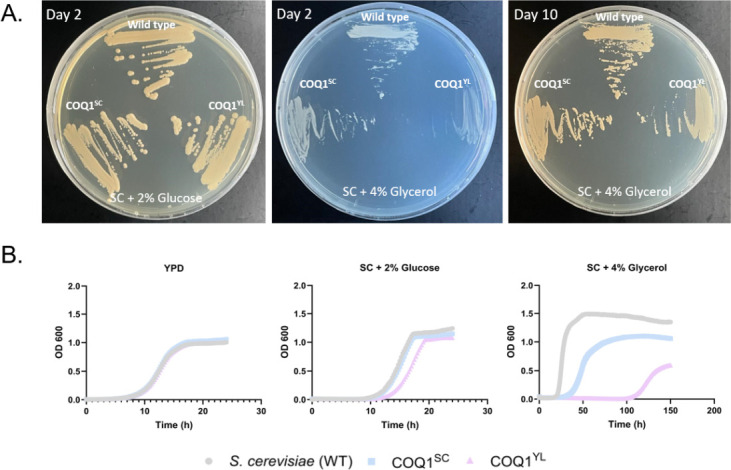 Figure 6
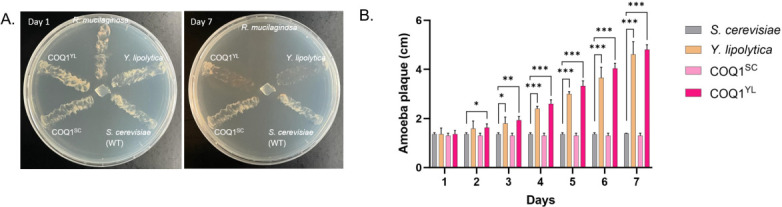 Figure 7
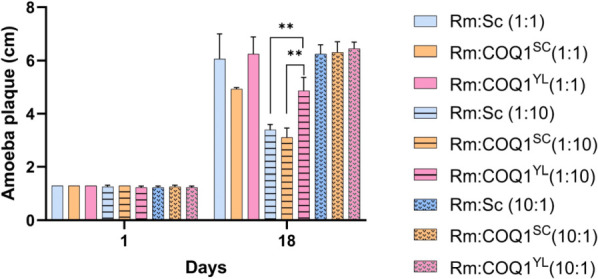 Figure 8
Peer Reviews
No public reviews on file for this paper yet. If you reviewed it on a platform where reviews are public (OpenReview, ICLR, NeurIPS, ICML), you can paste yours below so the community can read it here.
Videos
No videos yet. Explain this paper in a talk, walkthrough, or lecture? Add one.
Taxonomy
TopicsLiterature, Culture, and Aesthetics · Comparative Literary Analysis and Criticism · Historical and Modern Theater Studies