In situ differences in nitrogen cycling related to presence of submerged aquatic vegetation in a Gulf of Mexico estuary
R. S. Fulford, K. Houghton, J. James, M. Russell

TL;DR
This study explores how submerged aquatic vegetation affects nitrogen cycling in a Gulf of Mexico estuary, showing differences in nitrogen processing and microbial communities between vegetated and bare sediment areas.
Contribution
The study provides in situ evidence of how SAV influences nitrogen cycling and microbial community structure in estuaries.
Findings
Sediment–water exchange of dissolved N2 and microbial community structure differ between SAV and bare sediment.
Habitat differences were more consistent in low salinity and high organic content sediments.
Microbial composition, including genes like nifH, varied significantly between SAV and bare sediment habitats.
Abstract
Estuaries provide a suite of ecosystem services to people but are also under heavy stress from human development including excess nutrient loading and alterations in benthic habitat that affect nutrient cycling. Here we examine the interaction of two important and common ecosystem management priorities in estuaries: limiting eutrophication and restoration of submerged aquatic vegetation (SAV). Rates of benthic nitrogen processing can vary by habitat type and there is need for more complete data on the contribution of SAV to overall nitrogen cycling in estuaries, as well as a need to examine nitrogen cycling in situ to better characterize the role of SAV areal coverage in mediating estuarine eutrophication. We compare nitrogen cycling between two common and adjacent habitat types (SAV and adjacent bare sediment [BS]) in an index coastal estuary using an in situ chamber-based approach to…
Genes, proteins, chemicals, diseases, species, mutations and cell lines named across the full text — each resolved to its canonical identifier and authoritative record.
Click any figure to enlarge with its caption.
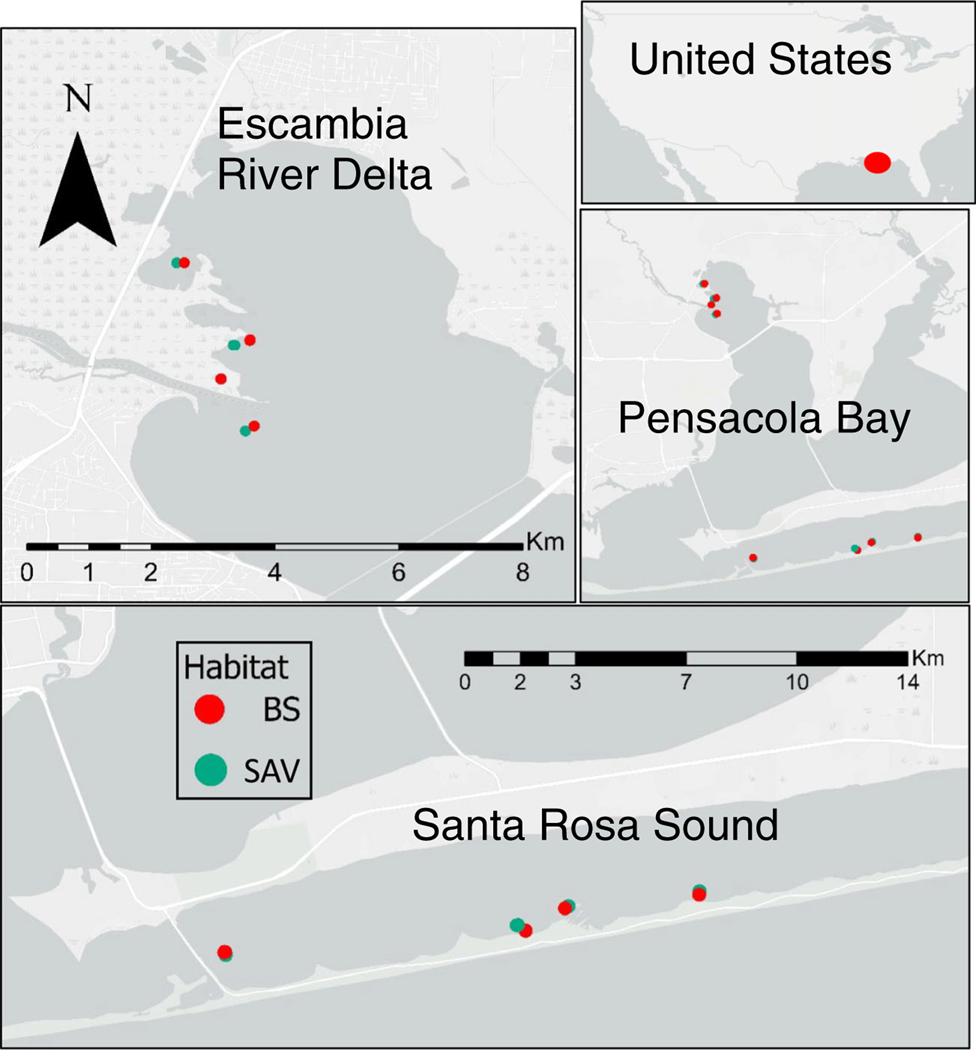 Figure 1
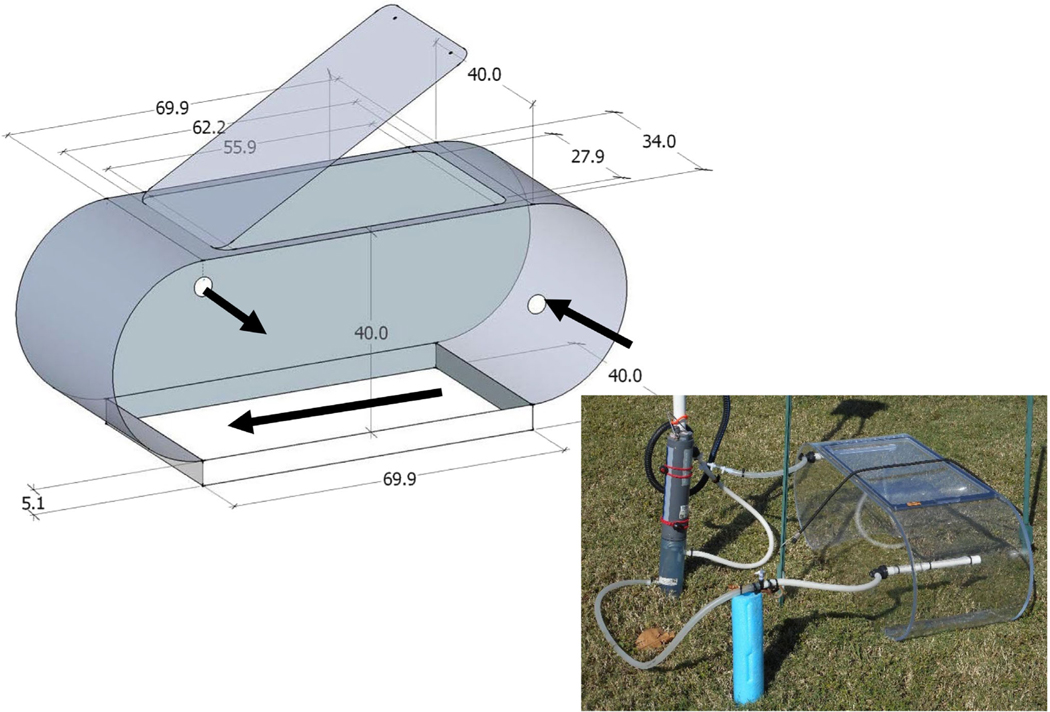 Figure 2
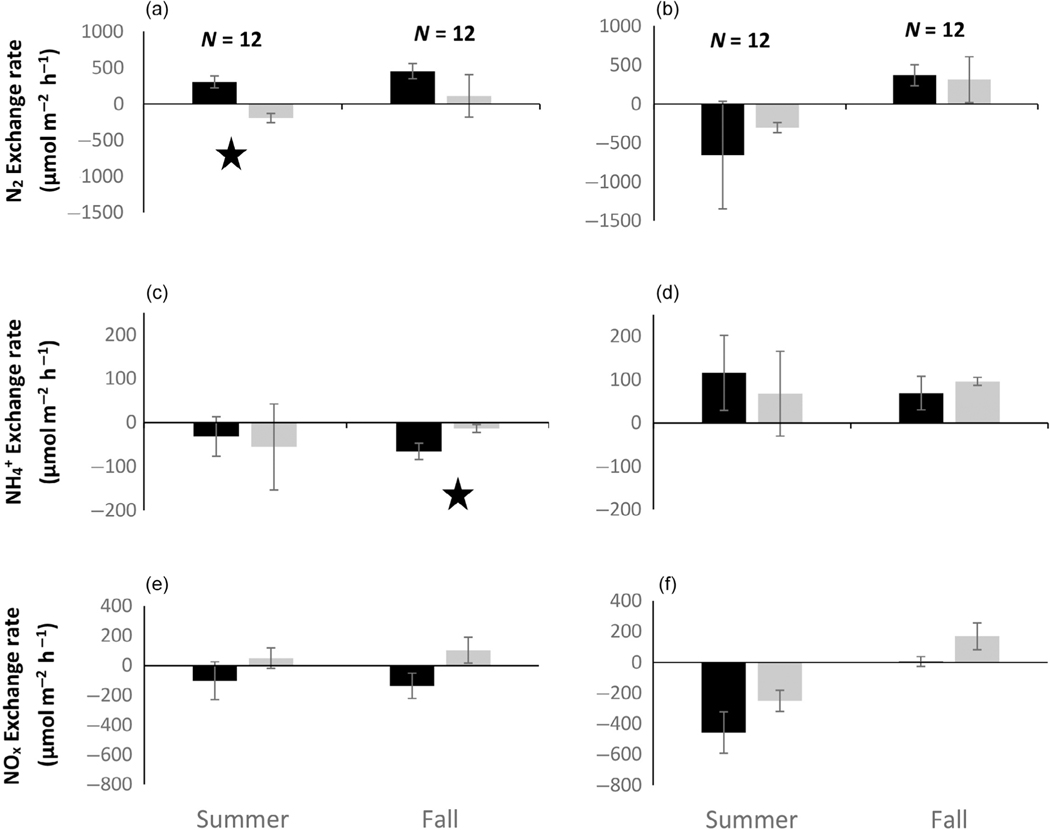 Figure 3
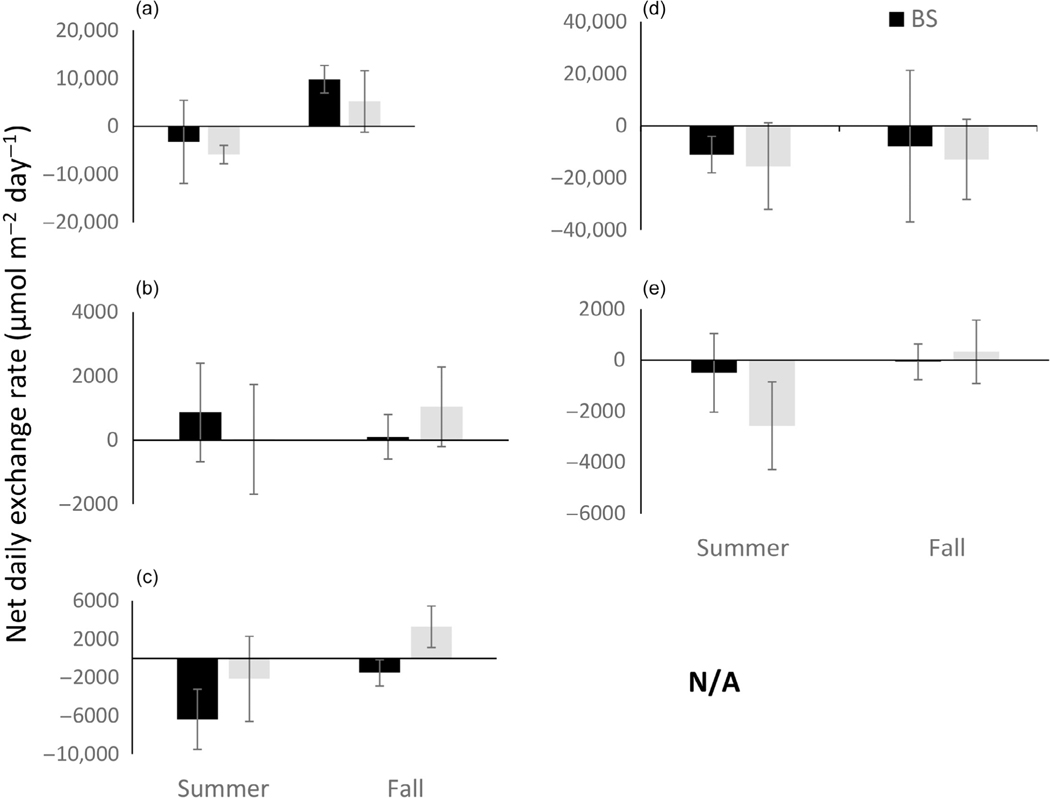 Figure 4
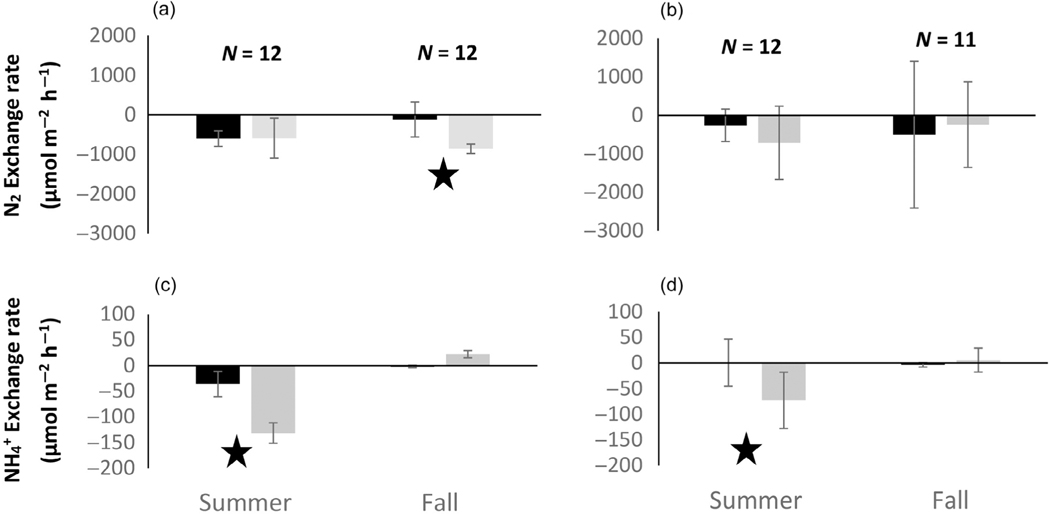 Figure 5
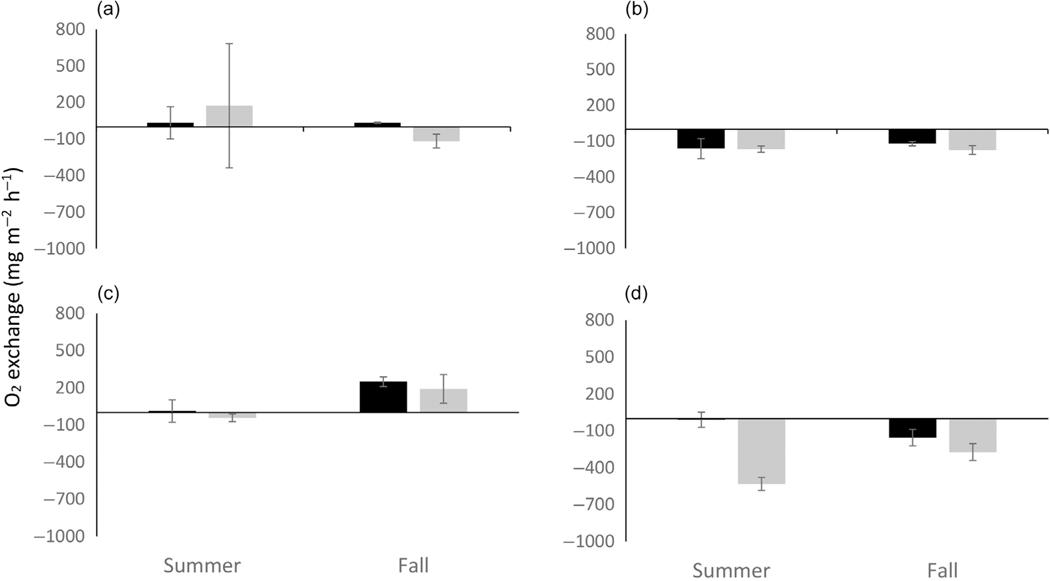 Figure 6
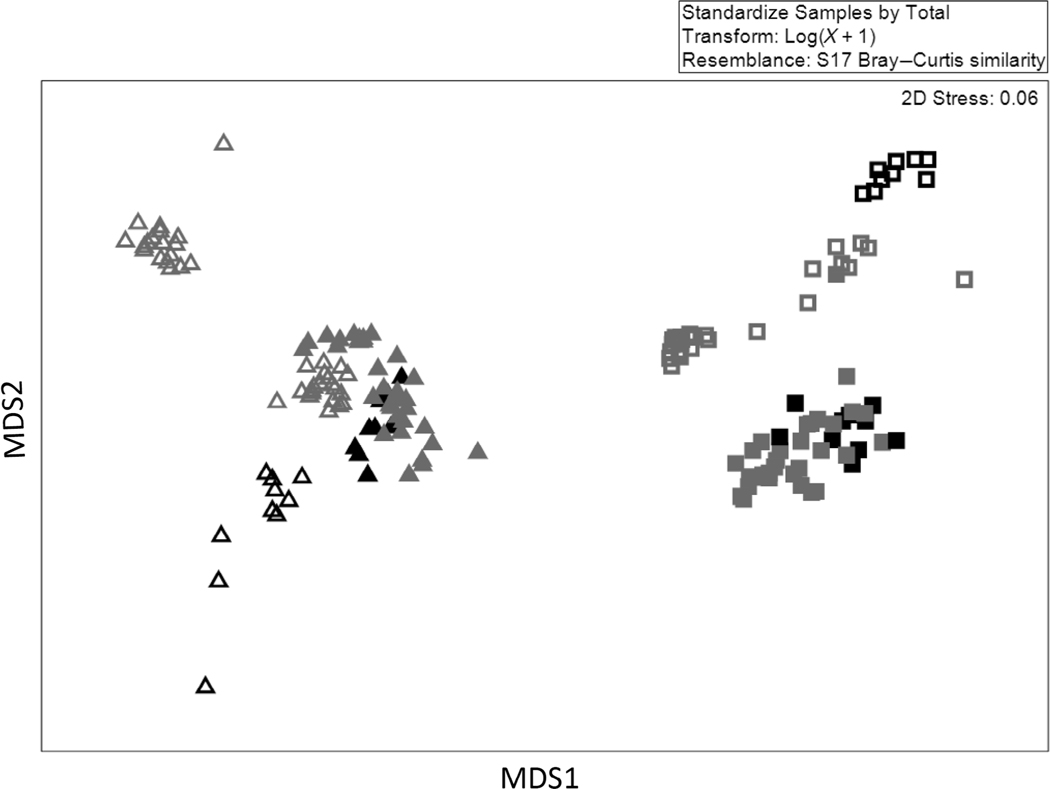 Figure 7
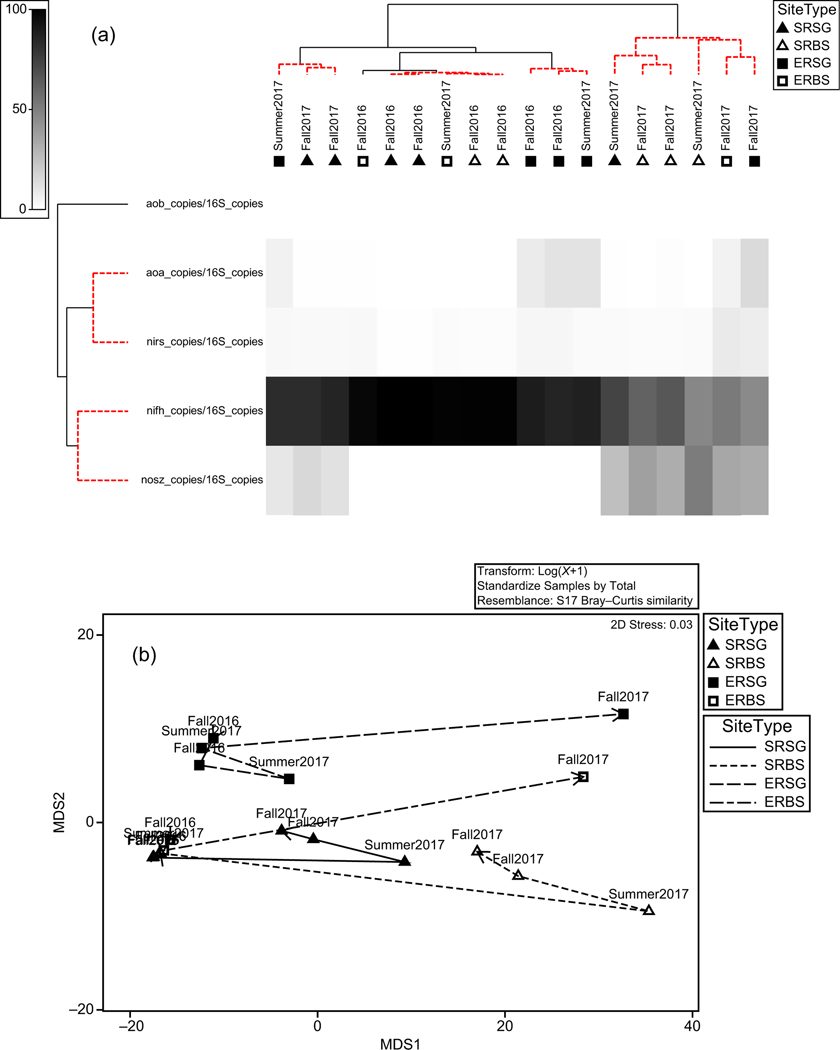 Figure 8
Peer Reviews
No public reviews on file for this paper yet. If you reviewed it on a platform where reviews are public (OpenReview, ICLR, NeurIPS, ICML), you can paste yours below so the community can read it here.
Videos
No videos yet. Explain this paper in a talk, walkthrough, or lecture? Add one.
Taxonomy
TopicsMicrobial Community Ecology and Physiology · Coastal wetland ecosystem dynamics · Marine and coastal ecosystems