Selection and characterization of human scFvs targeting the SARS-CoV-2 nucleocapsid protein isolated from antibody libraries of COVID-19 patients
Simonetta Lisi, Francesca Malerba, Paola Quaranta, Rita Florio, Ottavia Vitaloni, Elisa Monaca, Bruno Bruni Ercole, Angela Rachel Bitonti, Olga del Perugia, Marianna Mignanelli, Paola Perrera, Raffaele Sabbatella, Francesco Raimondi, Carmen Rita Piazza, Anna Moles

TL;DR
This paper describes the creation and testing of antibody fragments targeting the SARS-CoV-2 nucleocapsid protein from patients, offering new tools for research and diagnostics.
Contribution
The study introduces a novel panel of scFvs targeting the SARS-CoV-2 nucleocapsid protein, providing a new platform for research and potential diagnostic use.
Findings
A panel of scFvs was successfully constructed and characterized against the SARS-CoV-2 nucleocapsid protein.
Selected scFvs showed high binding activity as intrabodies and nanomolar affinity as recombinant proteins.
The scFv panel represents a valuable resource for studying SARS-CoV-2 and developing diagnostics.
Abstract
In 2019, the novel SARS-CoV-2 coronavirus emerged in China, causing the pneumonia named COVID-19. At the beginning, all research efforts were focused on the spike (S) glycoprotein. However, it became evident that the nucleocapsid (N) protein is pivotal in viral replication, genome packaging and evasion of the immune system, is highly immunogenic, which makes it another compelling target for antibody development alongside the spike protein. This study focused on the construction of single chain fragments variable (scFvs) libraries from SARS-CoV-2-infected patients to establish a valuable, immortalized and extensive antibodies source. We used the Intracellular Antibody Capture Technology to select a panel of scFvs against the SARS-CoV-2 N protein. The whole panel of scFv was expressed and characterized both as intrabodies and recombinant proteins. ScFvs were then divided into 2 subgroups:…
Genes, proteins, chemicals, diseases, species, mutations and cell lines named across the full text — each resolved to its canonical identifier and authoritative record.
Click any figure to enlarge with its caption.
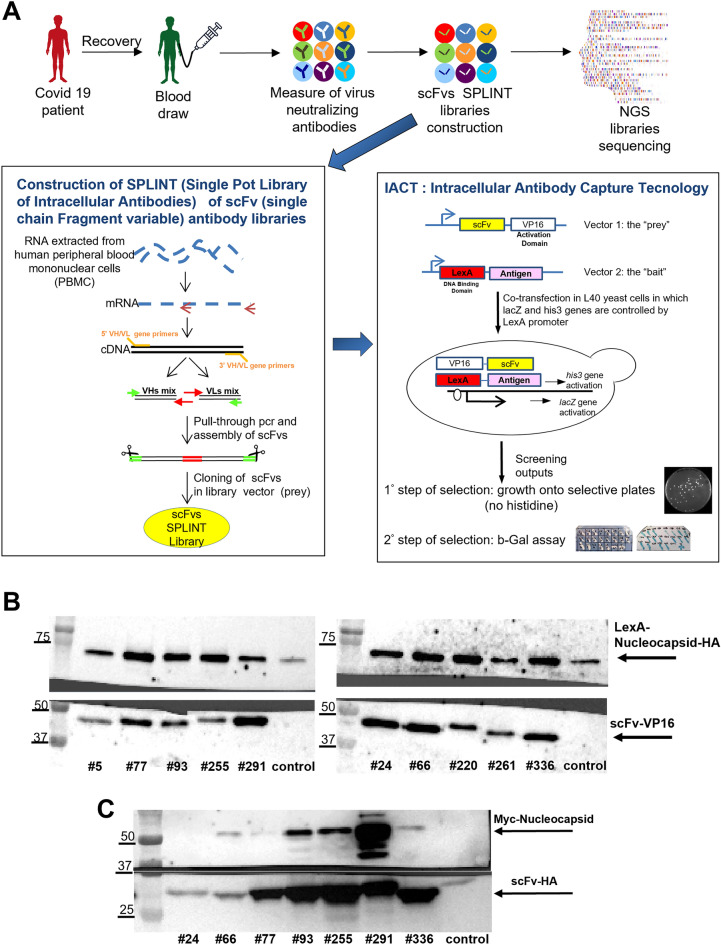 Figure 1
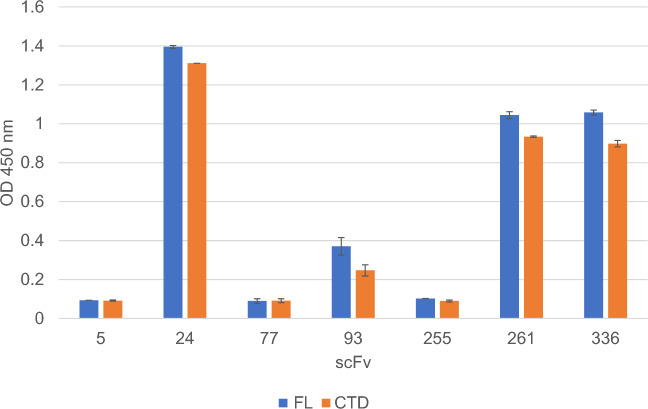 Figure 2
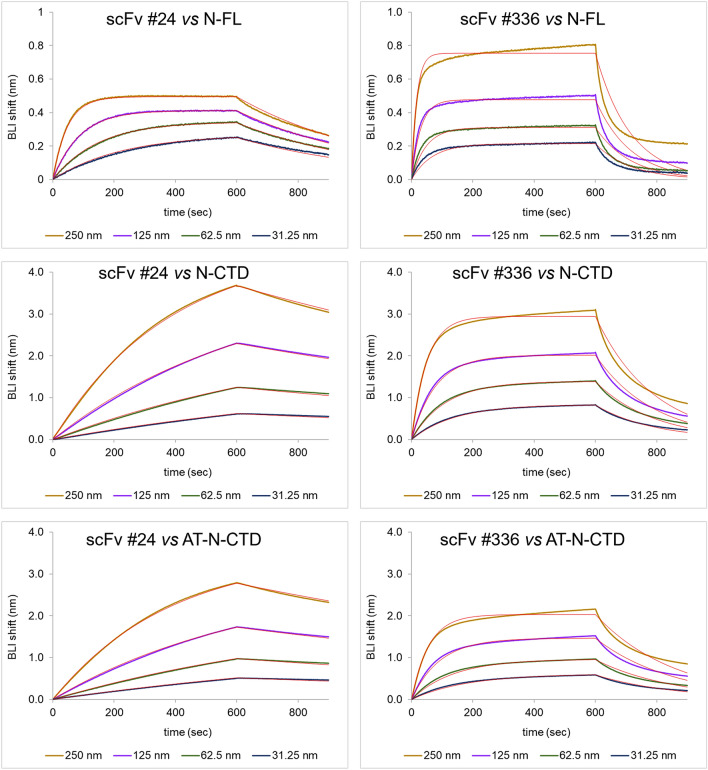 Figure 3
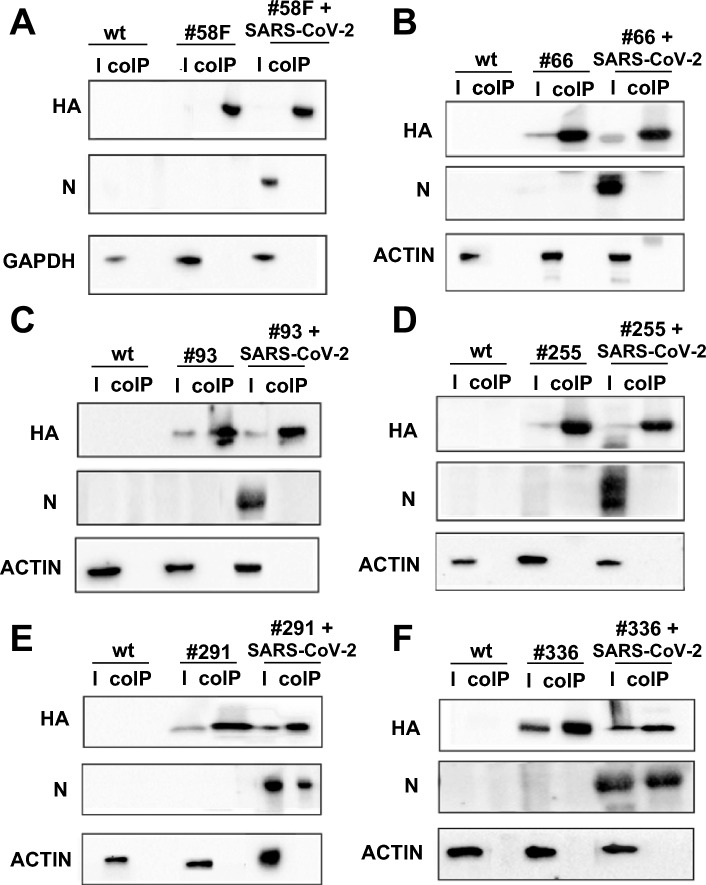 Figure 4
Peer Reviews
No public reviews on file for this paper yet. If you reviewed it on a platform where reviews are public (OpenReview, ICLR, NeurIPS, ICML), you can paste yours below so the community can read it here.
Videos
No videos yet. Explain this paper in a talk, walkthrough, or lecture? Add one.
Taxonomy
TopicsMonoclonal and Polyclonal Antibodies Research · SARS-CoV-2 and COVID-19 Research · Bacteriophages and microbial interactions