A phase II, multicenter, nonblinded, randomized controlled trial for evaluating protective effects of ABPC/SBT plus, azithromycin versus erythromycin, in pregnant women with pPROM occurring at <28 weeks of gestation on the development of BPD in neonates: Study protocol
Akihide Ohkuchi, Kaoru Okazaki, Shintaro Iwamoto, Mayumi Sako, Tohru Kobayashi, Itaru Yanagihara, Makoto Nomiyama

TL;DR
This study aims to compare two antibiotic treatments for pregnant women with preterm rupture of membranes to see which is better at preventing lung disease in their babies.
Contribution
The study introduces a new antibiotic combination (ABPC/SBT plus AZM) to reduce the risk of BPD in neonates with pPROM.
Findings
The study will evaluate the effectiveness of ABPC/SBT plus AZM versus ABPC/SBT plus EM in preventing BPD36.
It will also investigate the link between Ureaplasma species detection and BPD36 occurrence.
Adverse events for mothers, fetuses, and infants will be monitored throughout the trial.
Abstract
This is a protocol for PPROM-AZM Study, phase II, nonblinded, randomized controlled trial. Bronchopulmonary dysplasia (BPD) at a postmenstrual age of 36 weeks (BPD36) is often observed in infants with preterm premature rupture of the membranes (pPROM). A regimen of ampicillin (ABPC) intravenous infusion for 2 days and subsequent amoxicillin (AMPC) oral administration for 5 days plus erythromycin (EM) intravenous infusion for 2 days followed by EM oral administration for 5 days is standard treatment for pPROM. However, the effect on the prevention of moderate/severe BPD36 using the standard treatment has not been confirmed. Recently, it is reported that ampicillin/sulbactam (ABPC/SBT) plus azithromycin (AZM) was effective for the prevention of moderate/severe BPD36 in pPROM patients with amniotic infection of Ureaplasma species. Therefore, our aim is to evaluate the occurrence rate of…
Genes, proteins, chemicals, diseases, species, mutations and cell lines named across the full text — each resolved to its canonical identifier and authoritative record.
Click any figure to enlarge with its caption.
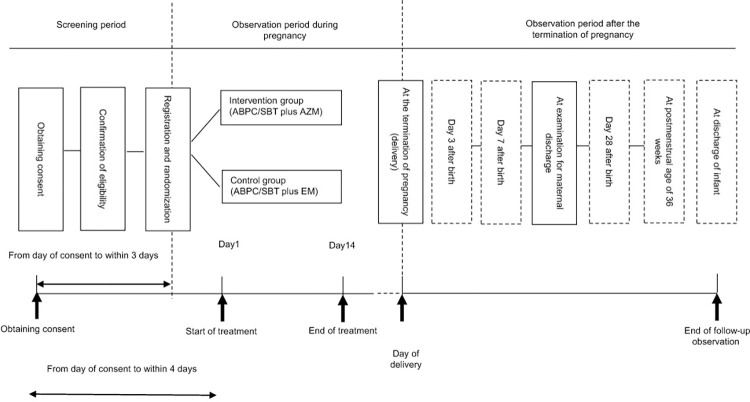 Figure 1
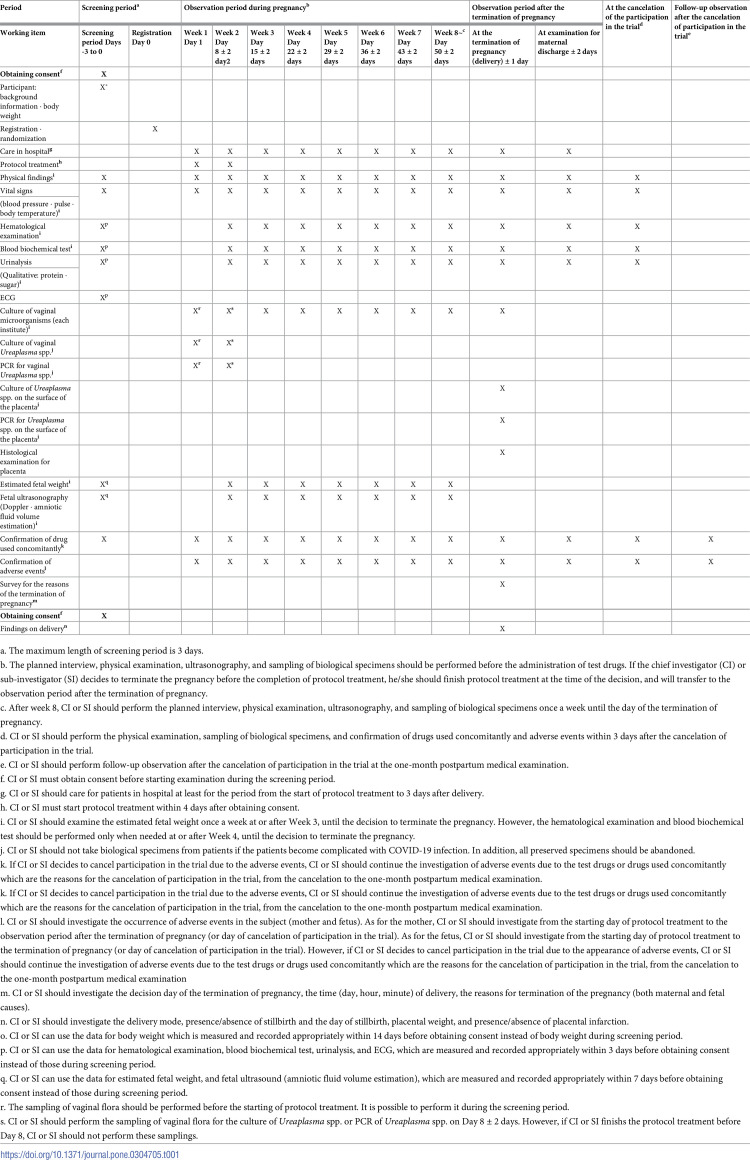 Figure 2
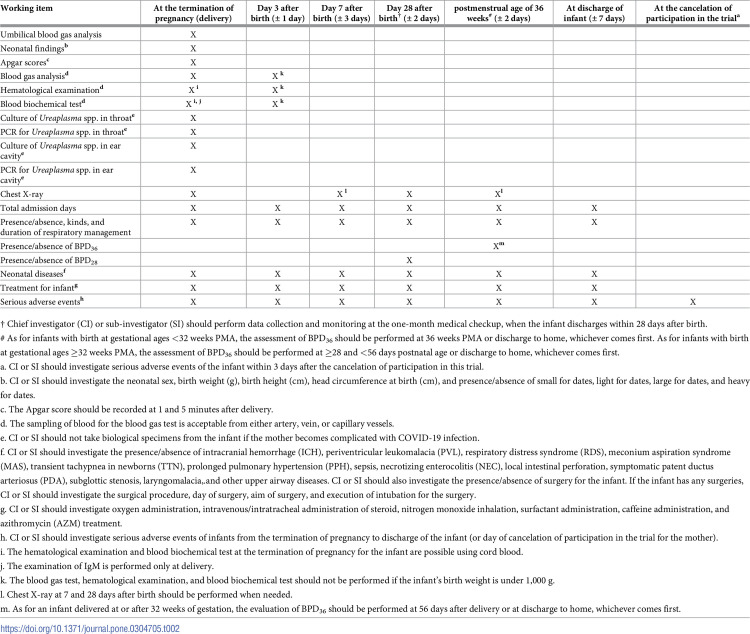 Figure 3
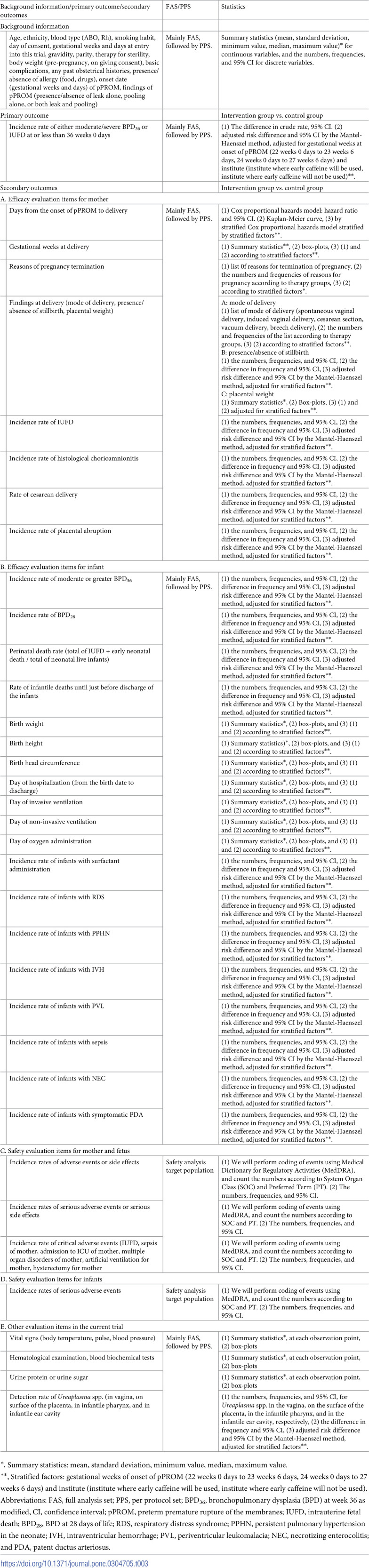 Figure 4
Peer Reviews
No public reviews on file for this paper yet. If you reviewed it on a platform where reviews are public (OpenReview, ICLR, NeurIPS, ICML), you can paste yours below so the community can read it here.
Videos
No videos yet. Explain this paper in a talk, walkthrough, or lecture? Add one.
Taxonomy
TopicsNeonatal Respiratory Health Research · Congenital Diaphragmatic Hernia Studies · Preterm Birth and Chorioamnionitis