Diagnosis of Marfan Syndrome Following Progressive Myopia and Secondary Lens-Induced Angle Closure Crisis
Nicholas Fazio, Emily White, Andre Galenchik-Chan, Lauren Langman, Al Cossari, Robert Honkanen

TL;DR
A case of Marfan syndrome was diagnosed after a patient experienced eye-related issues, highlighting the need to recognize subtle symptoms of this genetic disorder.
Contribution
The paper presents a case where MFS was identified through subtle clinical signs following an ocular crisis, emphasizing the importance of vigilance in diagnosis.
Findings
Marfan syndrome can present with subtle systemic findings that are easily overlooked.
Visual changes and angle closure crisis can be the initial signs leading to MFS diagnosis.
Timely recognition of MFS symptoms can improve treatment outcomes and prevent life-threatening complications.
Abstract
Marfan syndrome (MFS) is a well-described genetic connective tissue disease that heightens the risk of cardiovascular, ocular, pulmonary, and other emergencies in affected individuals. The wide range of phenotypic presentations, spanning from mild, chronic, and asymptomatic to acute and life-threatening, can pose challenges in diagnosing MFS when disease manifestations are subtle. We report a pathogenetic variant of MFS characterized by subtle systemic findings that was identified only after the patient presented with visual changes and pain associated with angle closure, despite a medical history indicating other pathologies linked to this condition. This case underscores the importance of recognizing the varied and sometimes subtle clinical features of MFS. Vigilance in identifying the constellation of findings associated with MFS can enhance its diagnosis and treatment outcomes by…
Genes, proteins, chemicals, diseases, species, mutations and cell lines named across the full text — each resolved to its canonical identifier and authoritative record.
Click any figure to enlarge with its caption.
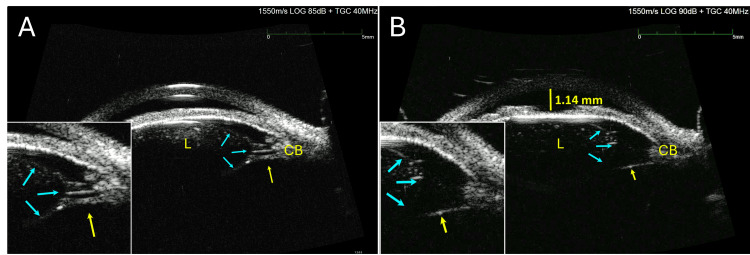 Figure 1
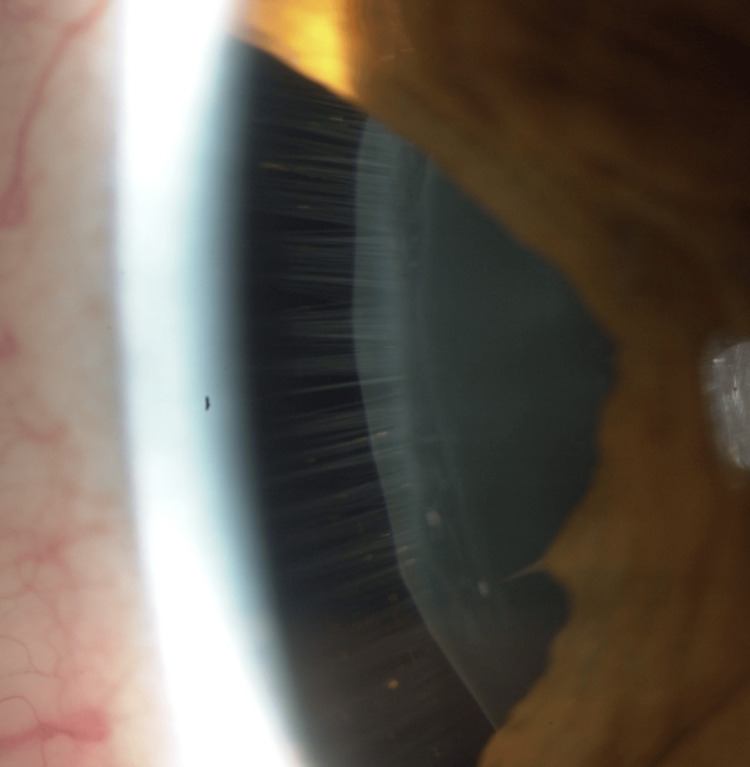 Figure 2
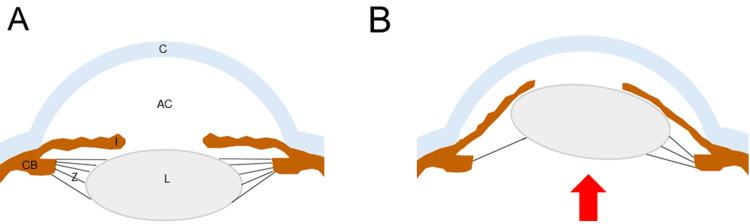 Figure 3
Peer Reviews
No public reviews on file for this paper yet. If you reviewed it on a platform where reviews are public (OpenReview, ICLR, NeurIPS, ICML), you can paste yours below so the community can read it here.
Videos
No videos yet. Explain this paper in a talk, walkthrough, or lecture? Add one.
Taxonomy
TopicsConnective tissue disorders research · Aortic aneurysm repair treatments · Vascular anomalies and interventions