Data-driven sales optimization with regression and chaotic pattern search
Sandhya Rani Gaddam, Sarada Jayan, Pentakota Ravi, Bilal Alatas

TL;DR
This paper presents a data-driven approach to optimize sales by predicting the best time to convert leads into customers using a novel algorithm.
Contribution
The novel Hybrid Chaotic Pattern Search Algorithm (HCPSA) is introduced to determine optimal conversion timelines for sales leads.
Findings
Patterns in lead data were used to predict the next activity for qualified leads.
HCPSA identified the optimal number of days required to convert leads into customers.
The approach helps prioritize leads and improve sales conversion efficiency.
Abstract
Lead generation is the process of gaining potential customers’ interest to increase future sales, and it is an essential part of many businesses’ (amusement parks, theme parks, clubs, etc.) sales processes as their membership is more expensive. The main objective of these businesses is to increase the count of customers. By generating sales leads, a club/park can find leads who have already expressed interest in its products and services and access their audience potential, allowing them to focus on future marketing and sales efforts on those leads that are more likely to convert. The current work focuses on how to convert a lead to a customer in optimum number of days. We collect two kinds of data: customer data and lead generation data. The customer data consists of all the leads who have taken the membership, and the lead generation data consists of all current leads. The details of…
Genes, proteins, chemicals, diseases, species, mutations and cell lines named across the full text — each resolved to its canonical identifier and authoritative record.
Click any figure to enlarge with its caption.
 Figure 1
 Figure 2
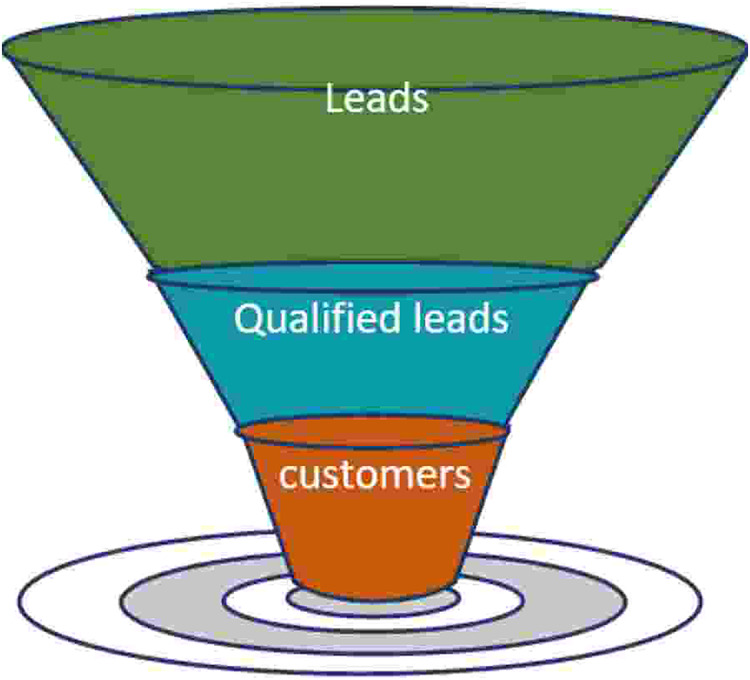 Figure 3
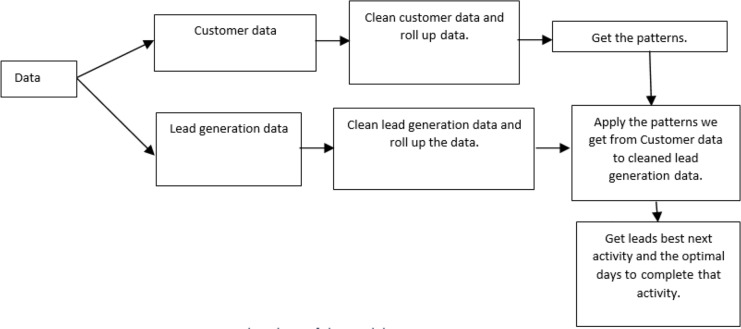 Figure 4
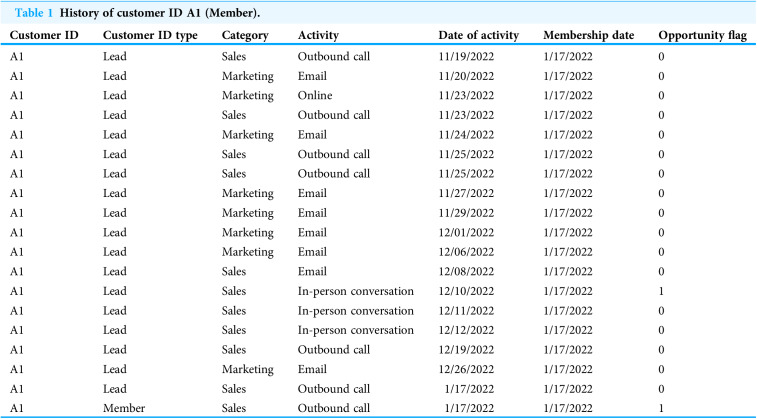 Figure 5
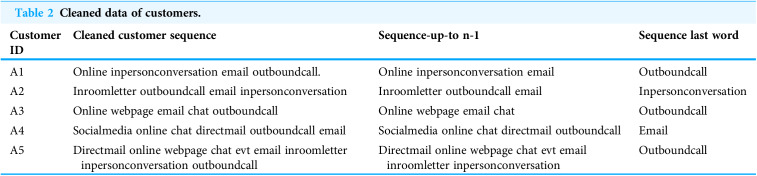 Figure 6
 Figure 7
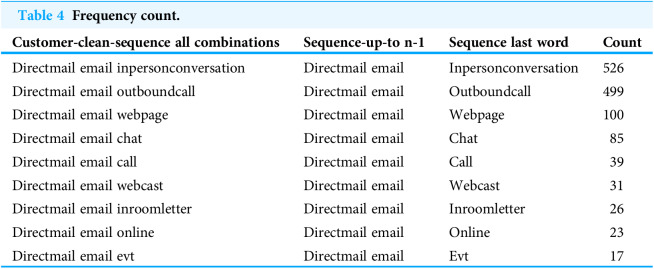 Figure 8
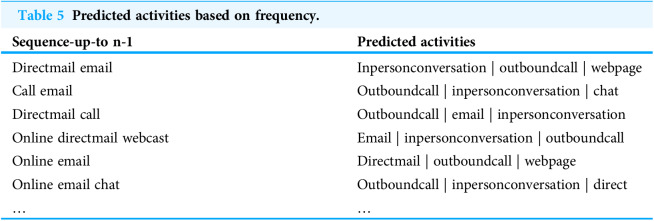 Figure 9
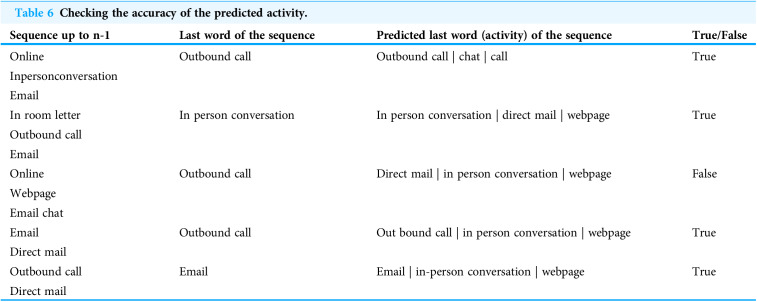 Figure 10
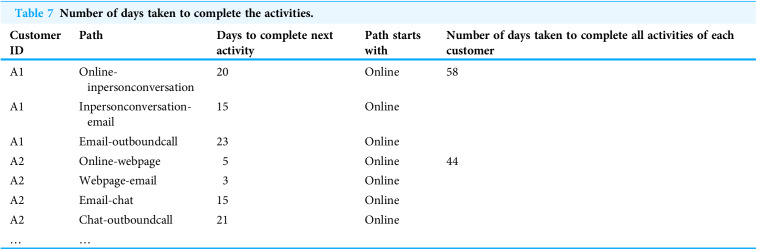 Figure 11
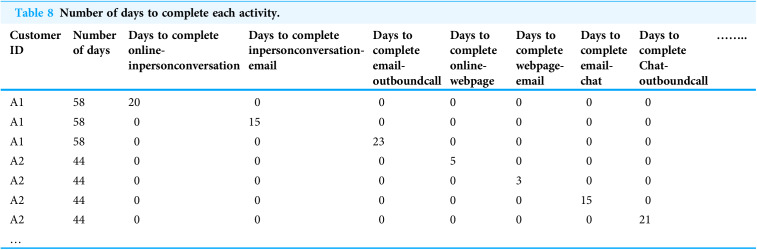 Figure 12
 Figure 13
 Figure 14
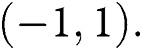 Figure 15
 Figure 16
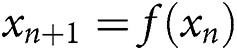 Figure 17
 Figure 18
 Figure 19
 Figure 20
 Figure 21
 Figure 22
 Figure 23
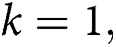 Figure 24
 Figure 25
 Figure 26
 Figure 27
 Figure 28
 Figure 29
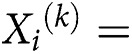 Figure 30
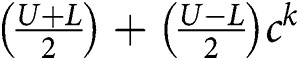 Figure 31
 Figure 32
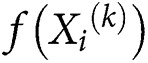 Figure 33
 Figure 34
 Figure 35
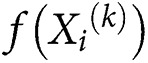 Figure 36
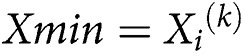 Figure 37
 Figure 38
 Figure 39
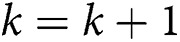 Figure 40
 Figure 41
 Figure 42
 Figure 43
 Figure 44
 Figure 45
 Figure 46
 Figure 47
 Figure 48
 Figure 49
 Figure 50
Peer Reviews
No public reviews on file for this paper yet. If you reviewed it on a platform where reviews are public (OpenReview, ICLR, NeurIPS, ICML), you can paste yours below so the community can read it here.
Videos
No videos yet. Explain this paper in a talk, walkthrough, or lecture? Add one.
Taxonomy
TopicsDutch Social and Cultural Studies · Educational Assessment and Improvement · Mathematics Education and Teaching Techniques