Prospective Comparative Analysis of Supine Versus Prone Percutaneous Nephrolithotomy in Patients with Complex Renal Stone Disease and Difficult Anatomy
Sunirmal Choudhury, Prakhar Patel, Gourab Kundu, Shahbaaz Ahmed, Malay Kumar Bera

TL;DR
This study compares supine and prone positions for kidney stone surgery in complex cases, finding supine to be safer and more effective.
Contribution
The study demonstrates that supine PCNL is a viable alternative to prone PCNL in complex renal stone cases with difficult anatomy.
Findings
Supine PCNL had shorter operative and hospitalization times compared to prone PCNL.
Supine PCNL resulted in fewer re-look procedures and similar stone-free rates.
Supine position showed fewer major complications and better overall outcomes.
Abstract
In complex renal stone disease, few studies have shown that supine percutaneous nephrolithotomy (PCNL) is not inferior to prone PCNL. In our study, we evaluated the safety and efficacy of supine versus prone PCNL in patients with complex renal stone disease and patients with difficult anatomy. We prospectively analyzed 106 patients over 15 months from October 2022 to December 2023 and divided them as group S (Calcutta position supine arm) and group P (classical prone arm) by simple randomization. The measured data included body mass index (BMI), stone size, location of stone, number of punctures/access, tract length, bleeding, operative time, stone-free rate (SFR), length of hospital stay, and postoperative complications. The operative time was 104.722 ± (34.48) versus 124.30 ± (22.67) minutes (group S vs. group P), which was significant (P = .01). The nephroscopy time was 89.722 ±…
Genes, proteins, chemicals, diseases, species, mutations and cell lines named across the full text — each resolved to its canonical identifier and authoritative record.
Click any figure to enlarge with its caption.
 Figure 1
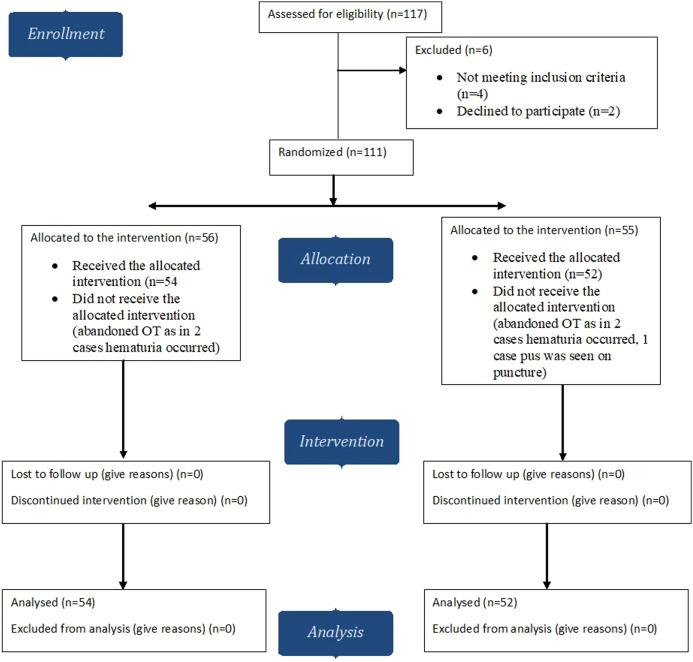 Figure 2
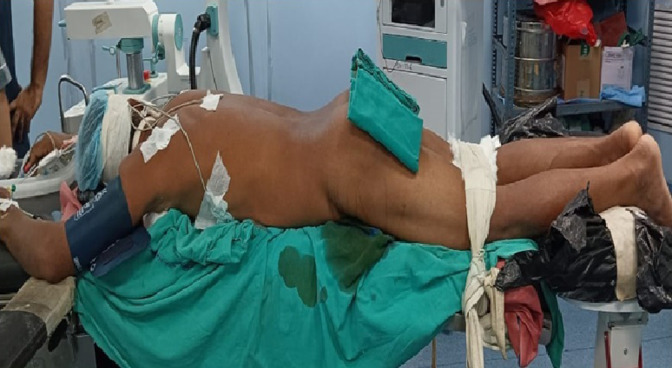 Figure 3
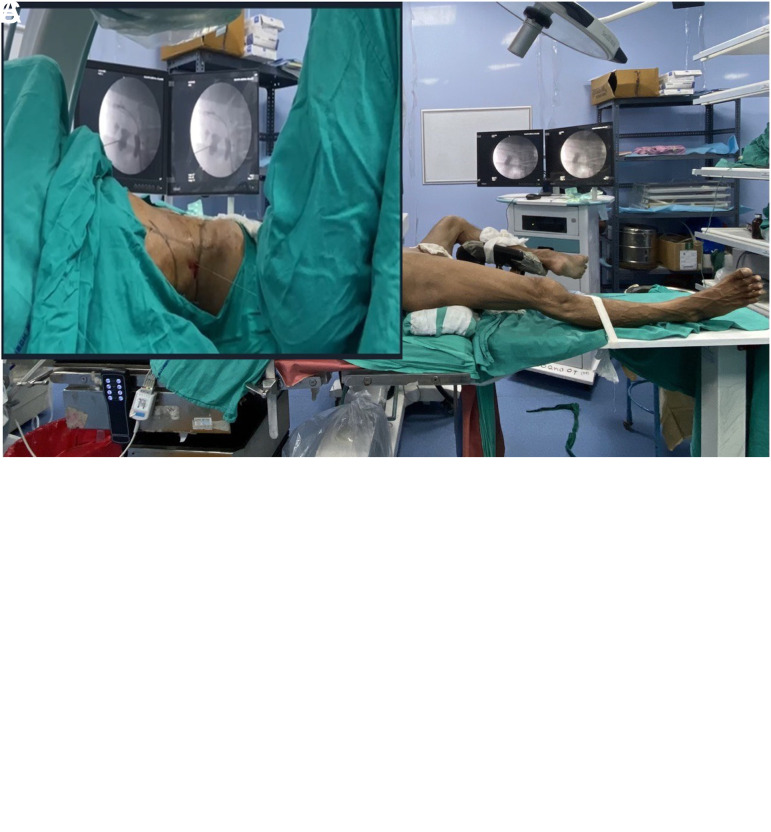 Figure 4
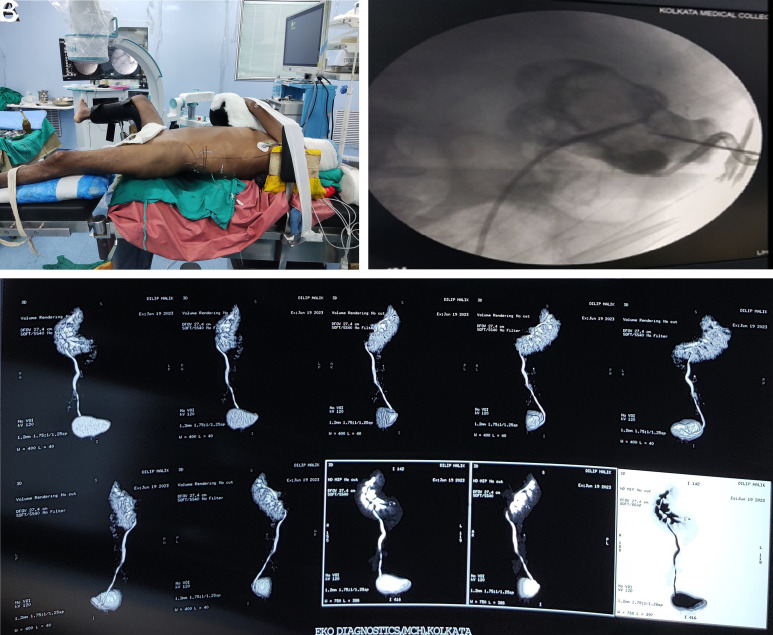 Figure 5
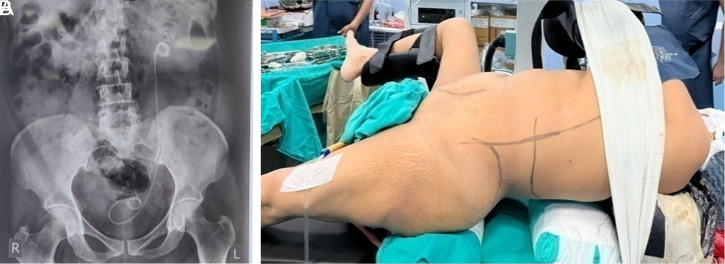 Figure 6
Peer Reviews
No public reviews on file for this paper yet. If you reviewed it on a platform where reviews are public (OpenReview, ICLR, NeurIPS, ICML), you can paste yours below so the community can read it here.
Videos
No videos yet. Explain this paper in a talk, walkthrough, or lecture? Add one.
Taxonomy
TopicsKidney Stones and Urolithiasis Treatments · Pediatric Urology and Nephrology Studies · Dialysis and Renal Disease Management