Delayed Bladder Perforation Resulting From Large Bladder Stone and Gluteal Abscess Caused by Pelvic Plate Loosening: A Case Report
Shun-An Kan, Ya-Che Lee, Hui-Chu Tsai, Ying-Ying Su, Fang-Chieh Lien

TL;DR
A woman developed bladder and gluteal complications 13 years after pelvic fracture surgery due to hardware loosening, highlighting the need for preventive surgical placement.
Contribution
Highlights a rare complication of pelvic hardware loosening and suggests a preventive surgical placement strategy.
Findings
Bladder perforation occurred due to migrated screws and a large bladder stone 13 years after pelvic fixation.
Gluteal abscess was linked to pelvic plate erosion into the bladder.
Proper hardware placement can reduce the risk of bladder perforation.
Abstract
Delayed bladder injuries resulting from screw or plate loosening, following pelvic ring fractures are rare, and this complication could be prevented. A 63-year-old woman presented with dysuria and lower abdominal pain, 13 years after the open fixation of a pelvic injury. Computed tomography revealed a 5-cm bladder stone and two migrated screws. Six months after the stone was removed, an abscess was noted over the left gluteal region. During the removal of the screw and abscess debridement, we accidentally observed that the anterior pelvic bridge plate had eroded into the bladder and had multiple bladder stones attached. After the involved hardware was removed, the abscess was debrided and the bladder was repaired. The patient did not have further urinary tract infections or urinary symptoms. In patients with pelvic ring fractures, we recommend placing the bridge plate on the superior…
Genes, proteins, chemicals, diseases, species, mutations and cell lines named across the full text — each resolved to its canonical identifier and authoritative record.
Click any figure to enlarge with its caption.
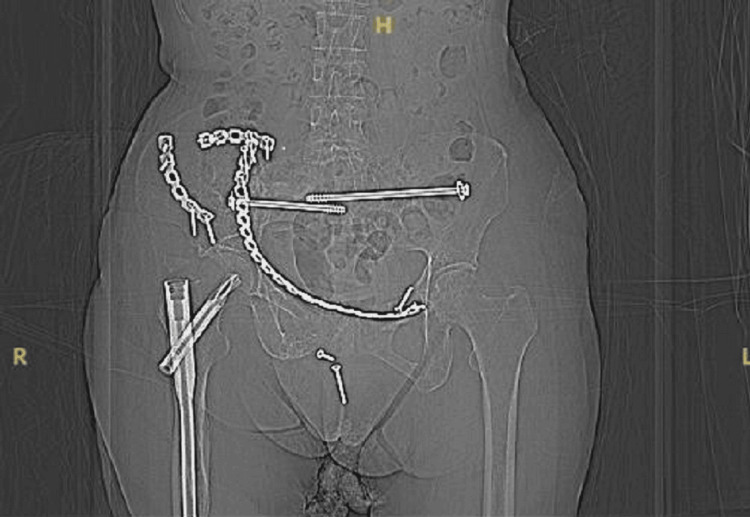 Figure 1
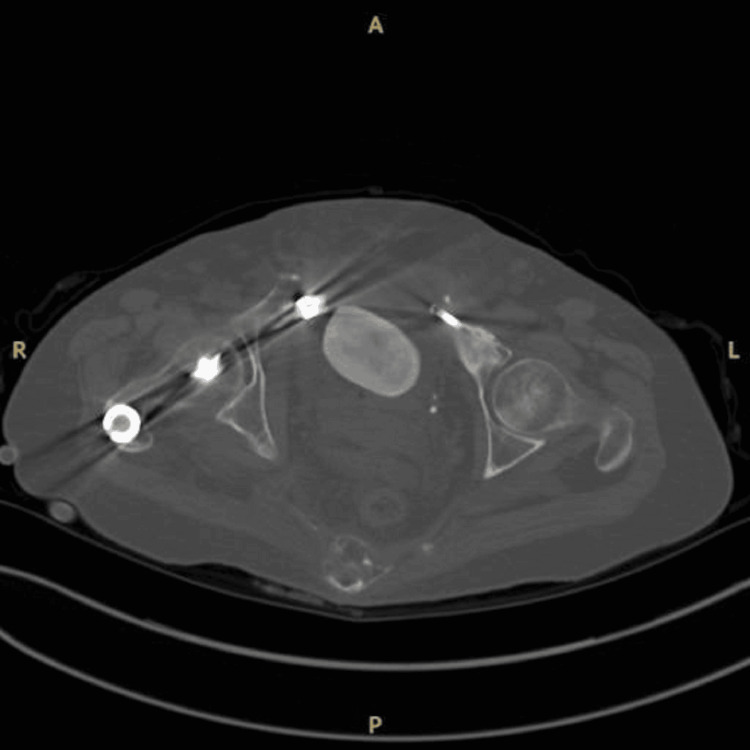 Figure 2
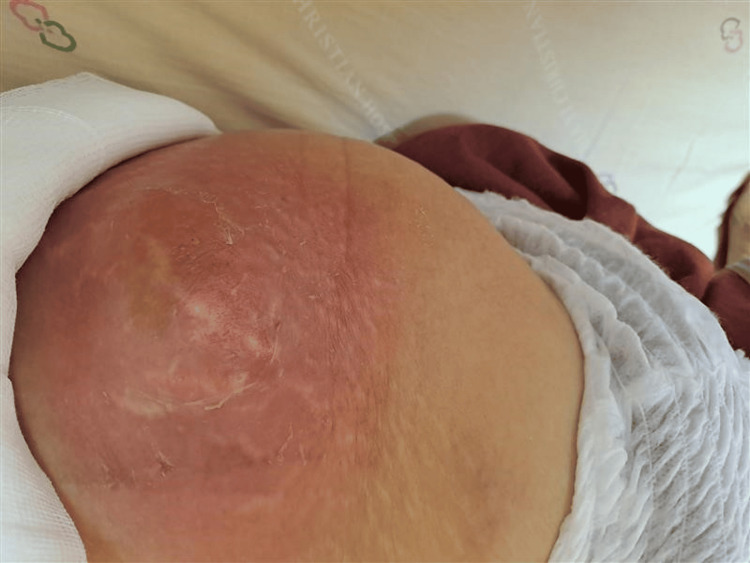 Figure 3
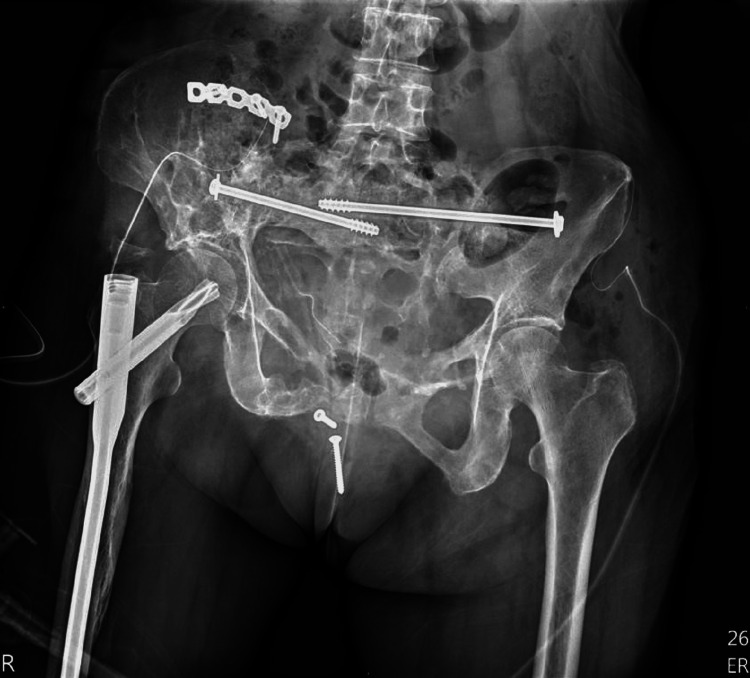 Figure 4
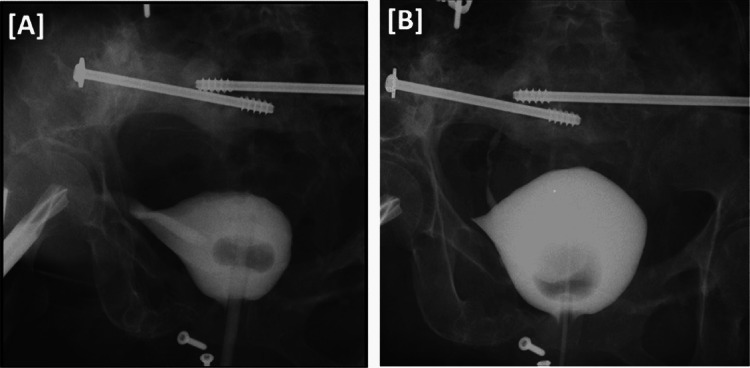 Figure 5
Peer Reviews
No public reviews on file for this paper yet. If you reviewed it on a platform where reviews are public (OpenReview, ICLR, NeurIPS, ICML), you can paste yours below so the community can read it here.
Videos
No videos yet. Explain this paper in a talk, walkthrough, or lecture? Add one.
Taxonomy
TopicsPelvic and Acetabular Injuries · Urological Disorders and Treatments · Pelvic floor disorders treatments