Regorafenib synergizes with TAS102 against multiple gastrointestinal cancers and overcomes cancer stemness, trifluridine-induced angiogenesis, ERK1/2 and STAT3 signaling regardless of KRAS or BRAF mutational status
Jun Zhang, Lanlan Zhou, Shuai Zhao, Wafik S. El-Deiry

TL;DR
A combination of regorafenib and TAS102 shows strong anti-cancer effects in gastrointestinal cancers, including colorectal and gastric cancer, by targeting cancer stem cells and reducing tumor growth and blood vessel formation.
Contribution
The study demonstrates a synergistic effect of regorafenib and TAS102 in multiple gastrointestinal cancers, independent of common genetic mutations like KRAS or BRAF.
Findings
The TAS102 and regorafenib combination synergistically inhibits growth of colorectal and gastric cancer cells in vitro.
The drug combination reduces colonosphere formation and tumor angiogenesis in preclinical models.
The anti-tumor effects occur regardless of KRAS, BRAF, or p53 mutation status, though wild-type p53 tumors show stronger suppression.
Abstract
Single-agent TAS102 (trifluridine/tipiracil) and regorafenib are FDA-approved treatments for metastatic colorectal cancer (mCRC). We previously reported that regorafenib combined with a fluoropyrimidine can delay disease progression in clinical case reports of multidrug-resistant mCRC patients. We hypothesized that the combination of TAS102 and regorafenib may be active in CRC and other gastrointestinal (GI) cancers and may in the future provide a treatment option for patients with advanced GI cancer. We investigated the therapeutic effect of TAS102 in combination with regorafenib in preclinical studies employing cell culture, colonosphere assays that enrich for cancer stem cells, and in vivo. TAS102 in combination with regorafenib has synergistic activity against multiple GI cancers in vitro including colorectal and gastric cancer, but not liver cancer cells. TAS102 inhibits…
Genes, proteins, chemicals, diseases, species, mutations and cell lines named across the full text — each resolved to its canonical identifier and authoritative record.
Click any figure to enlarge with its caption.
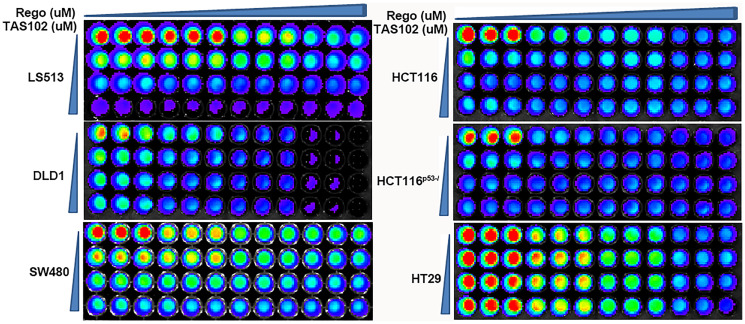 Figure 1
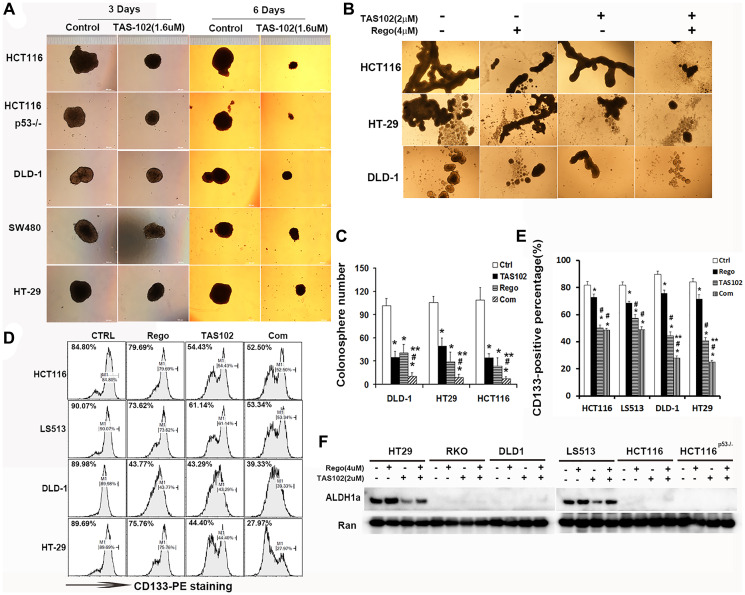 Figure 2
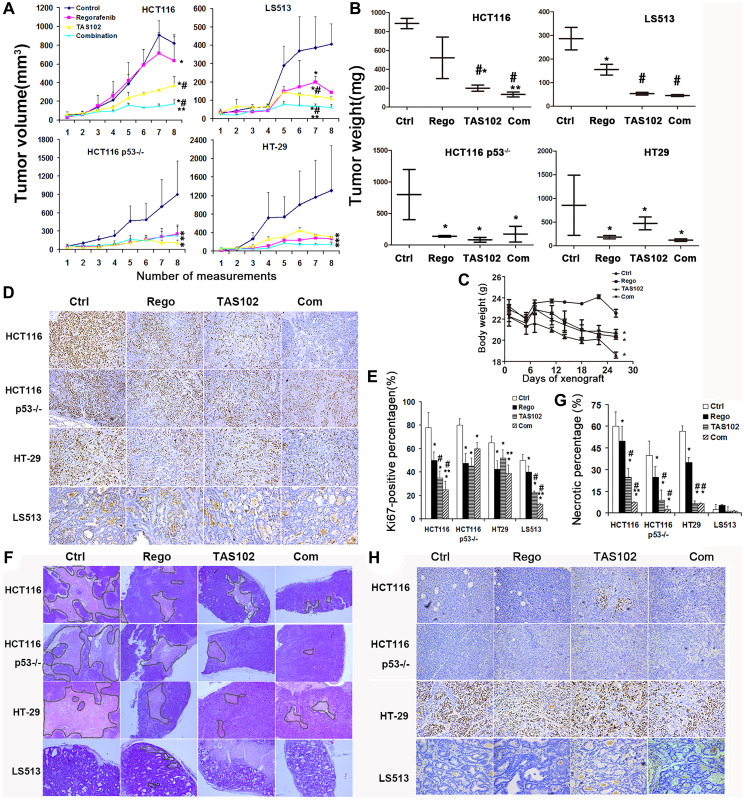 Figure 3
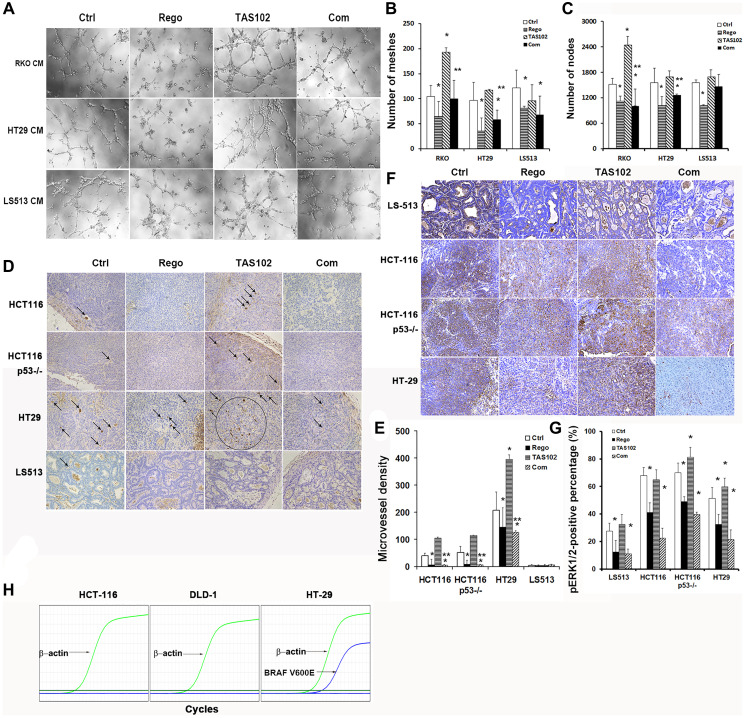 Figure 4
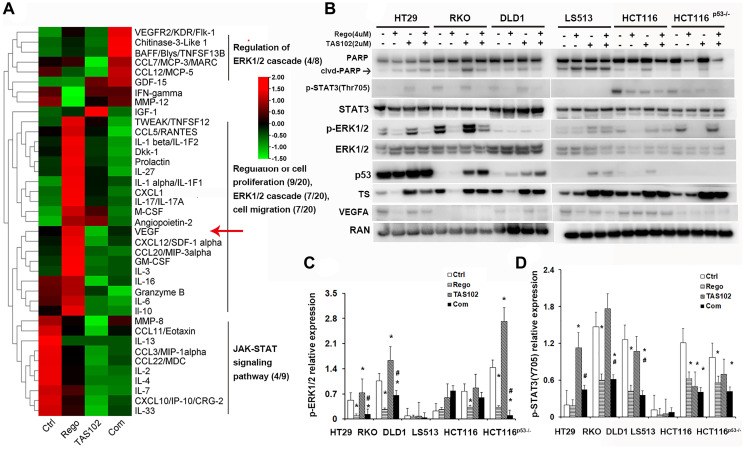 Figure 5
Peer Reviews
No public reviews on file for this paper yet. If you reviewed it on a platform where reviews are public (OpenReview, ICLR, NeurIPS, ICML), you can paste yours below so the community can read it here.
Videos
No videos yet. Explain this paper in a talk, walkthrough, or lecture? Add one.
Taxonomy
TopicsColorectal Cancer Treatments and Studies · Gastric Cancer Management and Outcomes · Hepatocellular Carcinoma Treatment and Prognosis