Small Bowel Obstruction Associated With Ureterocutaneous Fistula After a Radical Cystectomy: A Case Report
Shintaro Arakaki, Yoji Nakamura, Hiromitsu Morioka, Hiroyuki Karimata, Mitsuhisa Takatsuki

TL;DR
A man in his 60s experienced a rare case of small bowel obstruction caused by a ureterocutaneous fistula after a radical cystectomy.
Contribution
This case report highlights the rarity and diagnostic challenges of internal hernias caused by ureterocutaneous fistulas following urinary diversion.
Findings
Small bowel obstruction was caused by an internal hernia from a ureterocutaneous fistula.
Preoperative diagnosis of such hernias is challenging due to their resemblance to adhesive bands.
Surgical management is required to address the obstruction and prevent intraoperative injury.
Abstract
This is a case report of a man in his 60s who was diagnosed with a small bowel obstruction due to an internal hernia caused by a ureterocutaneous fistula. Internal hernia caused by the ureter following urinary diversion is rare, posing challenges in preoperative diagnosis and carrying the risk of intraoperative injury due to the resemblance of a ureterocutaneous fistula to an adhesive band. The presentation and surgical management are discussed in this case report.
Genes, proteins, chemicals, diseases, species, mutations and cell lines named across the full text — each resolved to its canonical identifier and authoritative record.
Click any figure to enlarge with its caption.
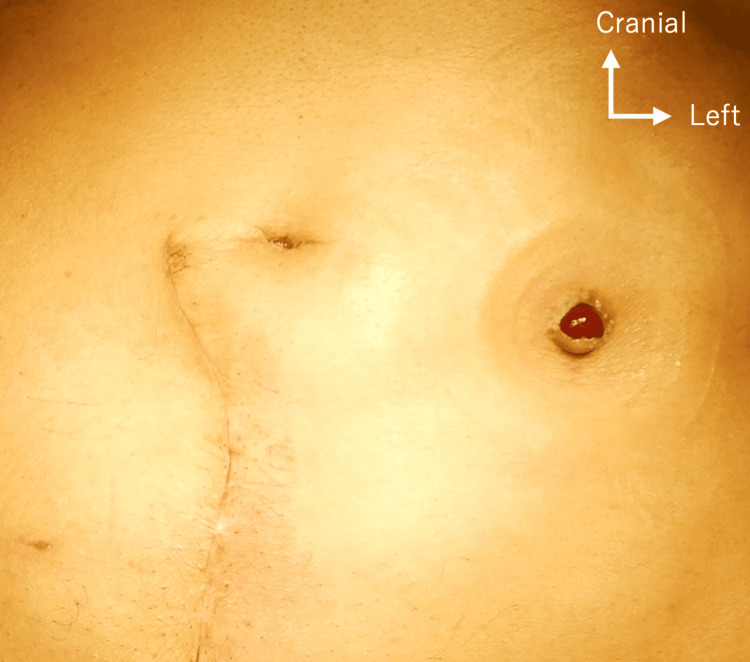 Figure 1
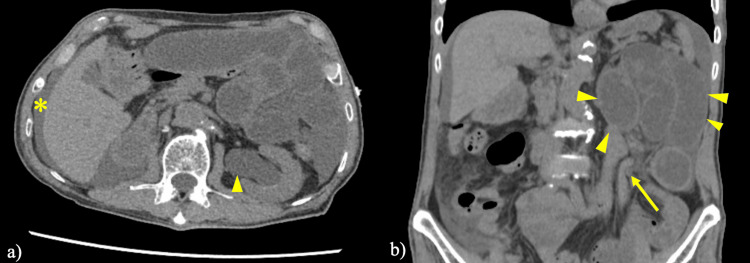 Figure 2
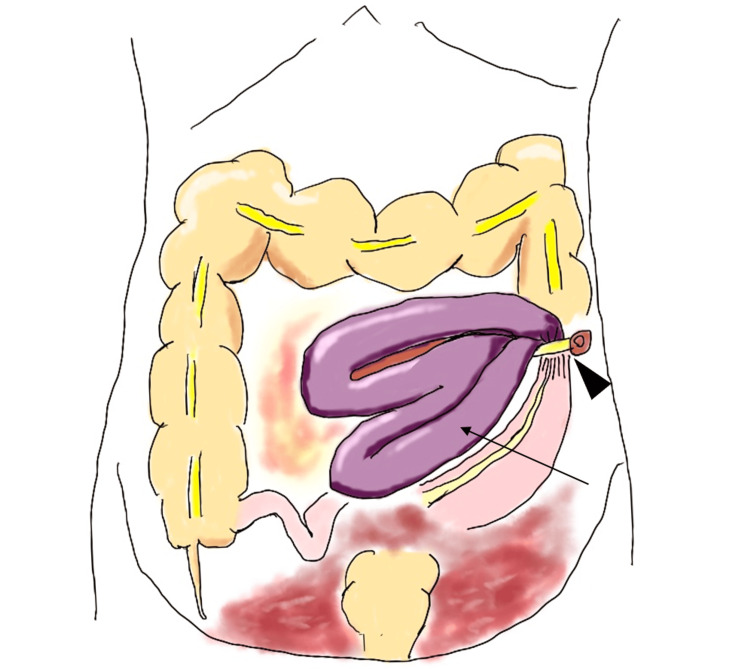 Figure 3
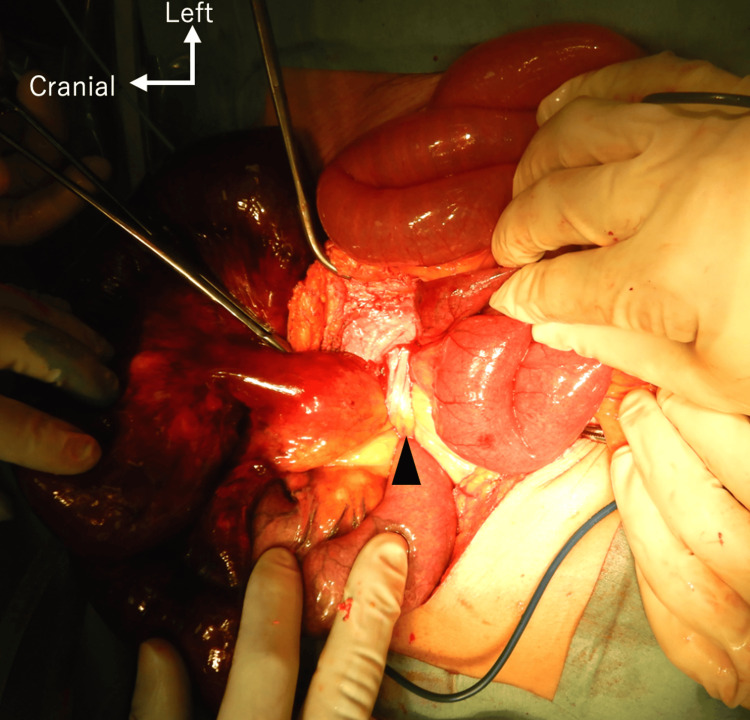 Figure 4
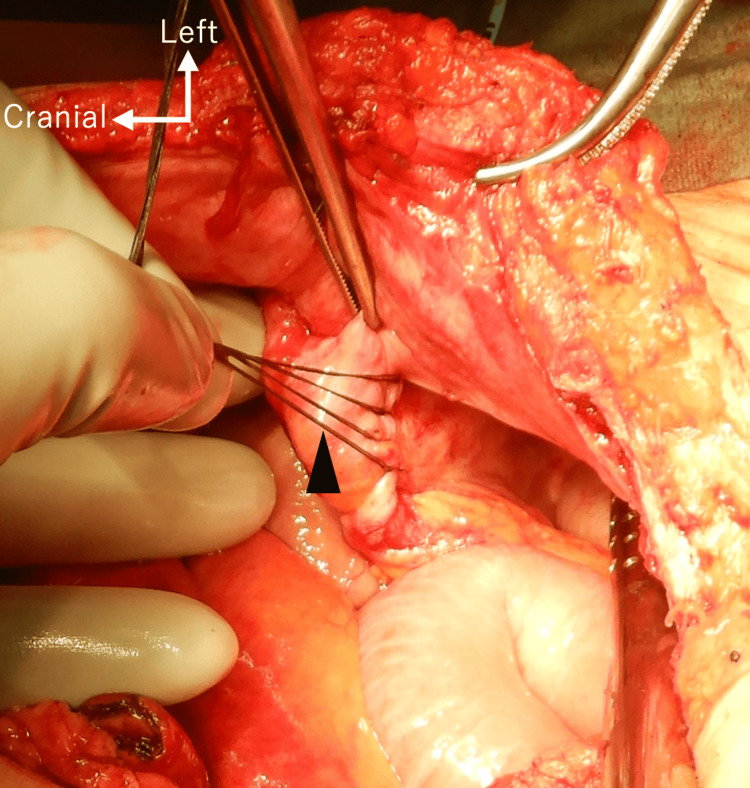 Figure 5
Peer Reviews
No public reviews on file for this paper yet. If you reviewed it on a platform where reviews are public (OpenReview, ICLR, NeurIPS, ICML), you can paste yours below so the community can read it here.
Videos
No videos yet. Explain this paper in a talk, walkthrough, or lecture? Add one.
Taxonomy
TopicsHernia repair and management · Intestinal and Peritoneal Adhesions · Abdominal Surgery and Complications