Phenotypic characterization of HAM1, a novel mating regulator of the fungal pathogen Cryptococcus neoformans
Elizabeth Arsenault Yee, Robbi L. Ross, Felipe H. Santiago-Tirado

TL;DR
This study identifies a new gene, HAM1, in the fungus Cryptococcus neoformans that regulates mating and may influence its ability to cause disease.
Contribution
The discovery of HAM1 as a novel mating regulator and its potential role in virulence in Cryptococcus neoformans.
Findings
HAM1 is a conserved gene that negatively regulates mating in Cryptococcus neoformans.
Mutants lacking HAM1 show increased filamentation and altered virulence-related traits like capsule shedding and biofilm production.
HAM1 expression is reduced in mating conditions, suggesting a regulatory role in the mating process.
Abstract
Cryptococcus neoformans is a fungal pathogen responsible for >200,000 yearly cases with a mortality as high as 81%. This burden results, in part, from an incomplete understanding of its pathogenesis and ineffective antifungal treatments; hence, there is a pressing need to understand the biology and host interactions of this yeast to develop improved treatments. Protein palmitoylation is important for cryptococcal virulence, and we previously identified the substrates of its main palmitoyl transferase. One of them was encoded by the uncharacterized gene CNAG_02129. In the filamentous fungus Neurospora crassa, a homolog of this gene named hyphal anastomosis protein 13 plays a role in proper cellular communication and filament fusion. In Cryptococcus, cellular communication is essential during mating; therefore, we hypothesized that CNAG_02129, which we named hyphal anastomosis protein 1…
Genes, proteins, chemicals, diseases, species, mutations and cell lines named across the full text — each resolved to its canonical identifier and authoritative record.
Click any figure to enlarge with its caption.
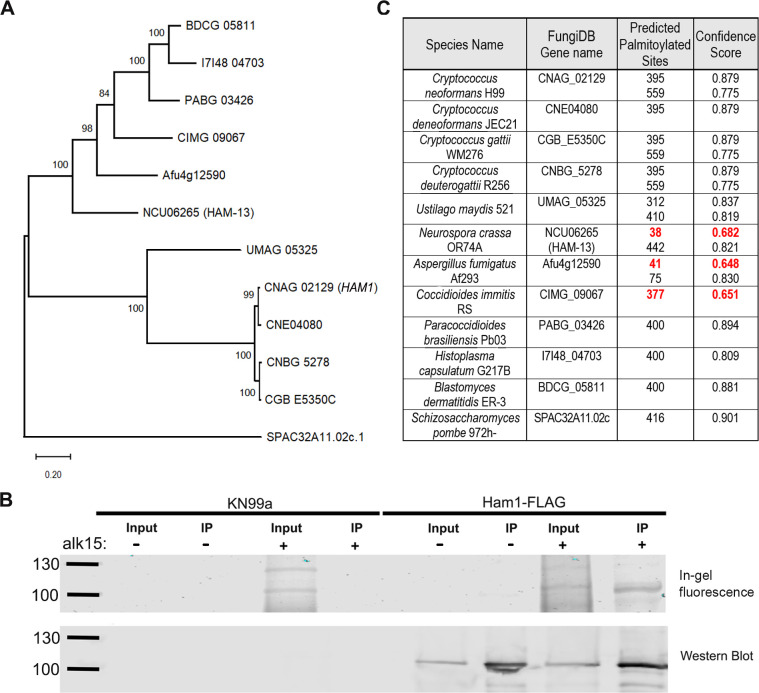 Figure 1
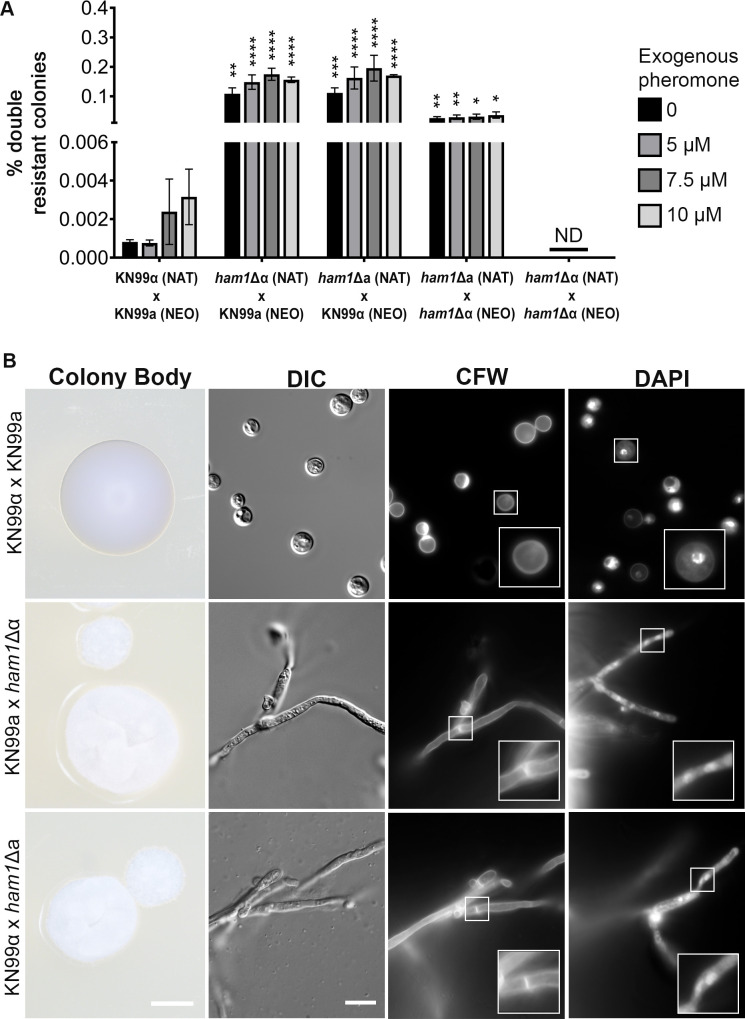 Figure 2
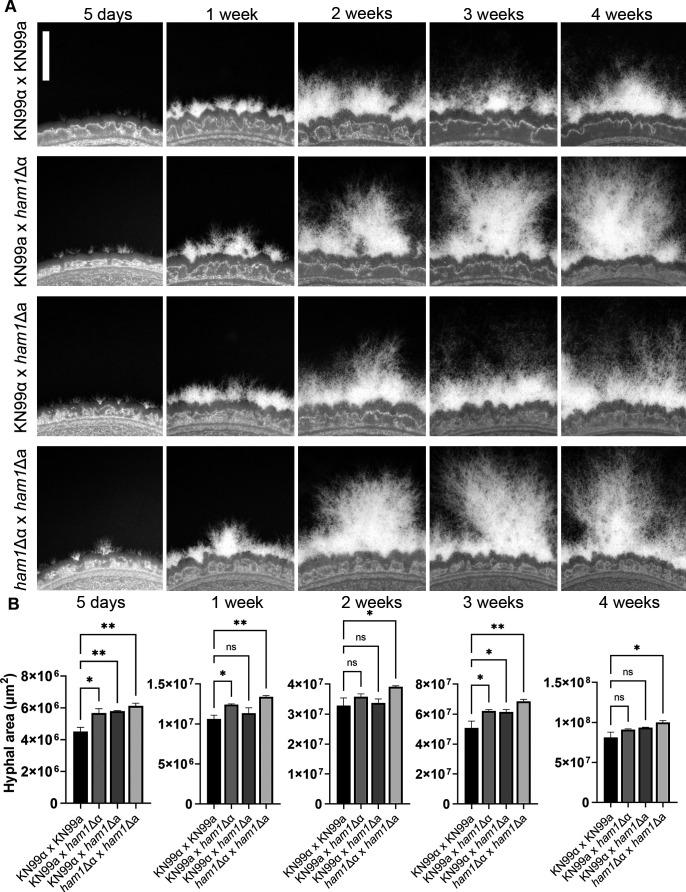 Figure 3
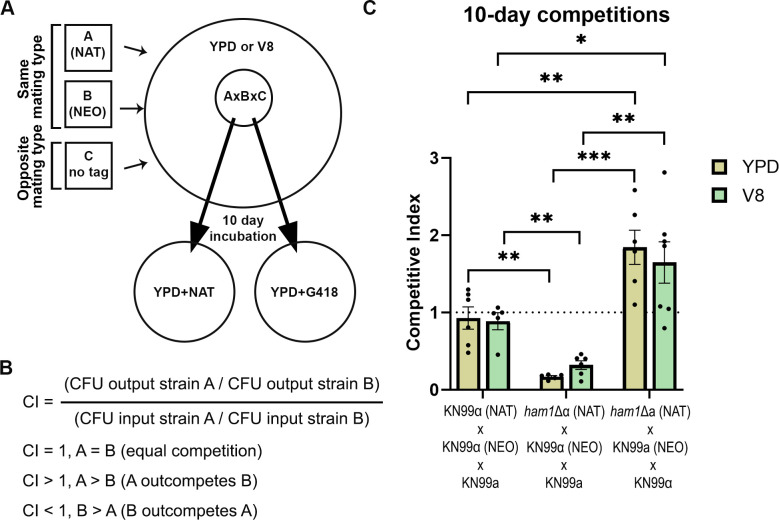 Figure 4
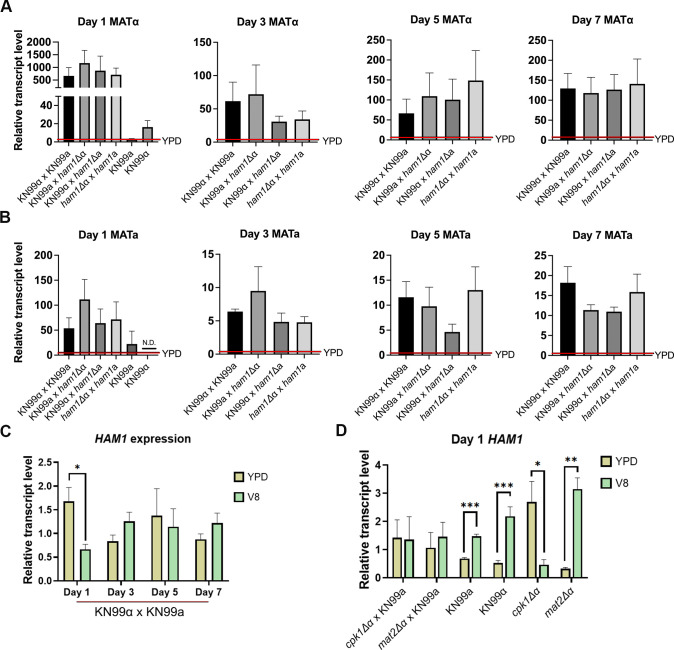 Figure 5
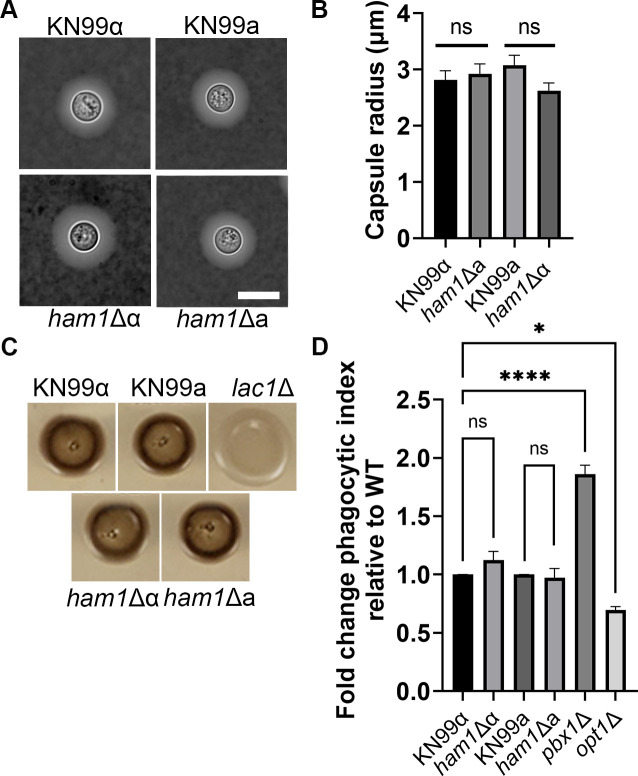 Figure 6
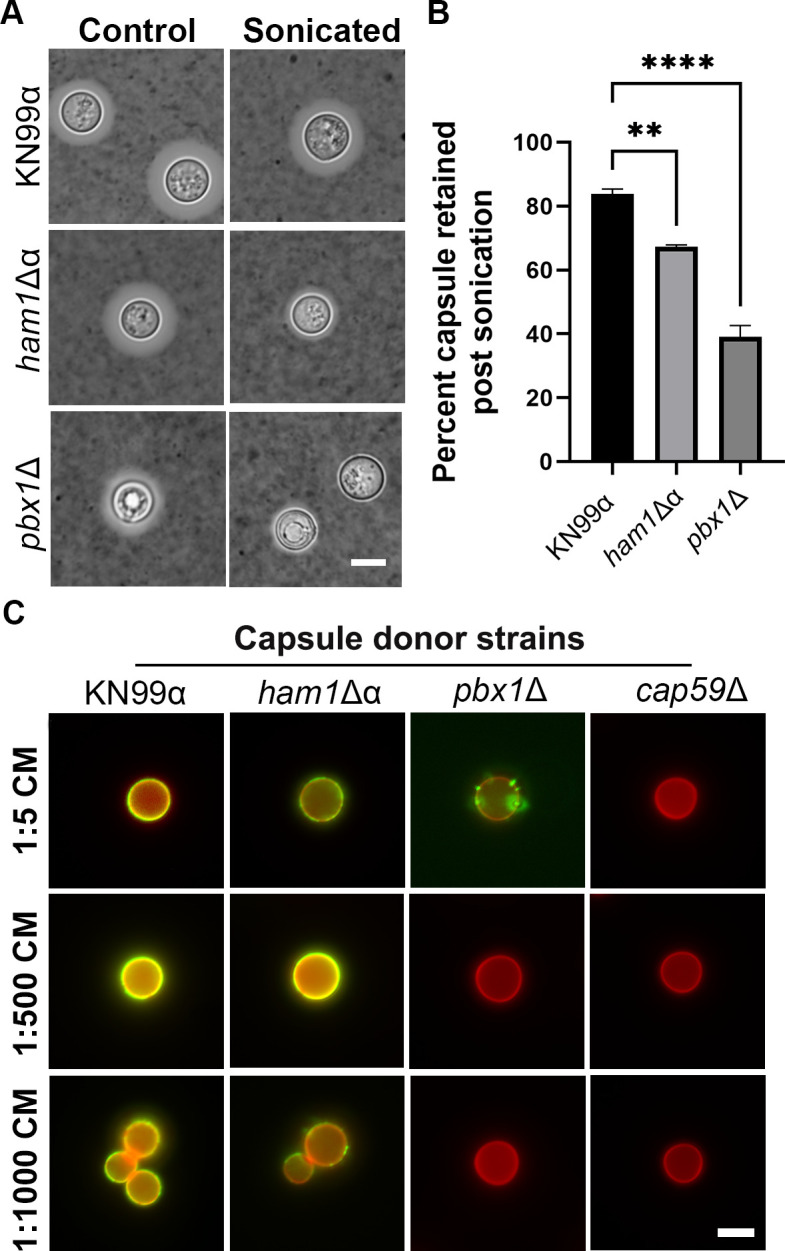 Figure 7
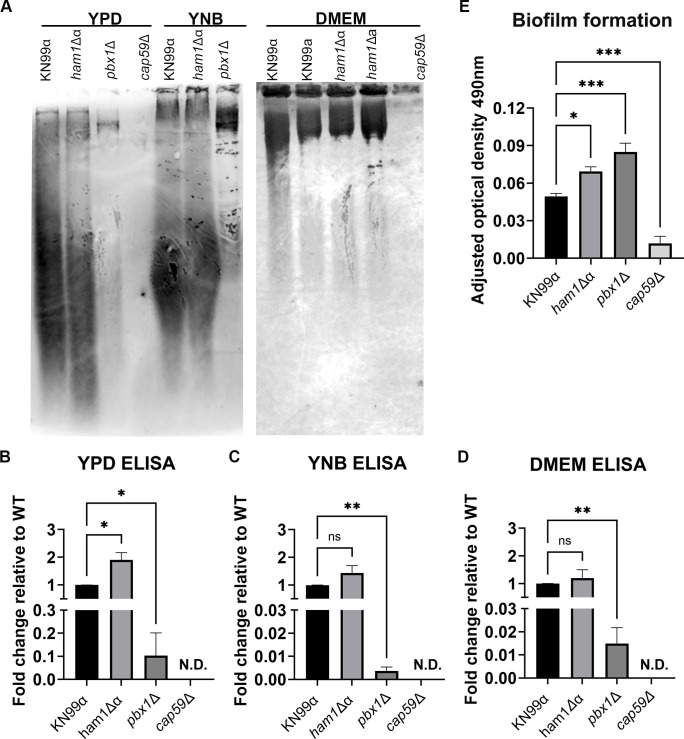 Figure 8
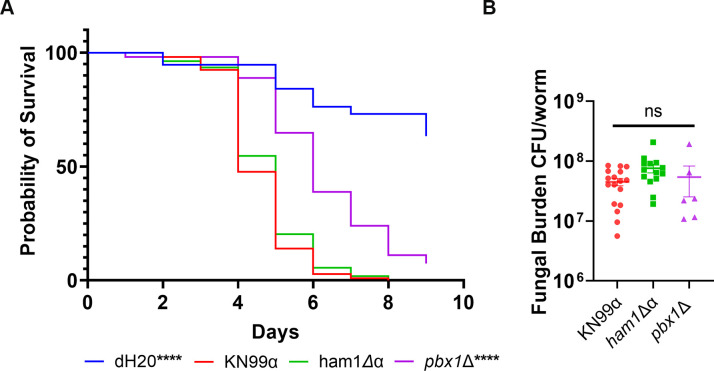 Figure 9
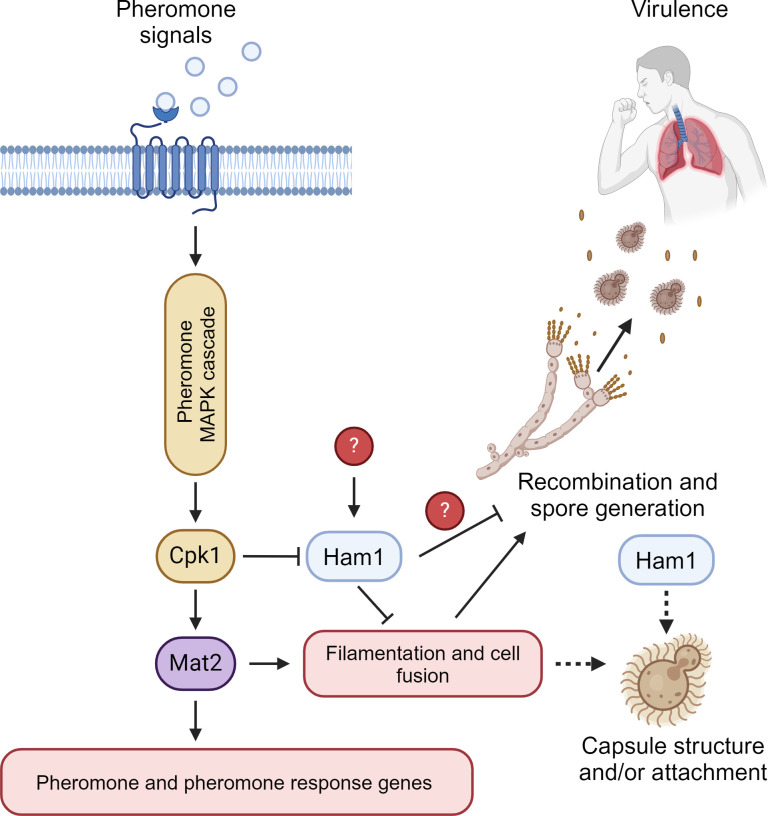 Figure 10
Peer Reviews
No public reviews on file for this paper yet. If you reviewed it on a platform where reviews are public (OpenReview, ICLR, NeurIPS, ICML), you can paste yours below so the community can read it here.
Videos
No videos yet. Explain this paper in a talk, walkthrough, or lecture? Add one.
Taxonomy
TopicsFungal Infections and Studies · Antifungal resistance and susceptibility · Plant Pathogens and Fungal Diseases