LILRB4 on multiple myeloma cells promotes bone lesion by p-SHP2/NF-κB/RELT signal pathway
Hongying Wang, Lei Wang, Huiwen Luan, Jing Xiao, Zhiling Zhao, Pengfei Yu, Mi Deng, Yifan Liu, Shuhao Ji, Junjie Ma, Yan Zhou, Jiashen Zhang, Xianhui Meng, Juan Zhang, Xinyu Zhao, Chunling Li, Fangmin Li, Dapeng Wang, Shujuan Wei, Lijun Hui, Siman Nie, Changzhu Jin, Zhiqiang An

TL;DR
This study shows that LILRB4 on multiple myeloma cells worsens bone damage by activating a specific signaling pathway involving RELT, suggesting LILRB4 as a potential therapeutic target.
Contribution
The study identifies LILRB4 as a novel driver of bone lesions in multiple myeloma through the p-SHP2/NF-κB/RELT pathway.
Findings
LILRB4 is highly expressed in multiple myeloma and correlates with severe bone lesions in patients.
LILRB4 promotes osteoclast differentiation and bone damage via secretion of RELT.
Blocking LILRB4 or combining it with bortezomib delays bone lesion progression in models.
Abstract
Leukocyte Ig-like receptor B family 4 (LILRB4) as an immune checkpoint on myeloid cells is a potential target for tumor therapy. Extensive osteolytic bone lesion is the most characteristic feature of multiple myeloma. It is unclear whether ectopic LILRB4 on multiple myeloma regulates bone lesion. The conditioned medium (CM) from LILRB4-WT and -KO cells was used to analyze the effects of LILRB4 on osteoclasts and osteoblasts. Xenograft, syngeneic and patient derived xenograft models were constructed, and micro-CT, H&E staining were used to observe the bone lesion. RNA-seq, cytokine array, qPCR, the activity of luciferase, Co-IP and western blotting were used to clarify the mechanism by which LILRB4 mediated bone damage in multiple myeloma. We comprehensively analyzed the expression of LILRB4 in various tumor tissue arrays, and found that LILRB4 was highly expressed in multiple myeloma…
Genes, proteins, chemicals, diseases, species, mutations and cell lines named across the full text — each resolved to its canonical identifier and authoritative record.
Click any figure to enlarge with its caption.
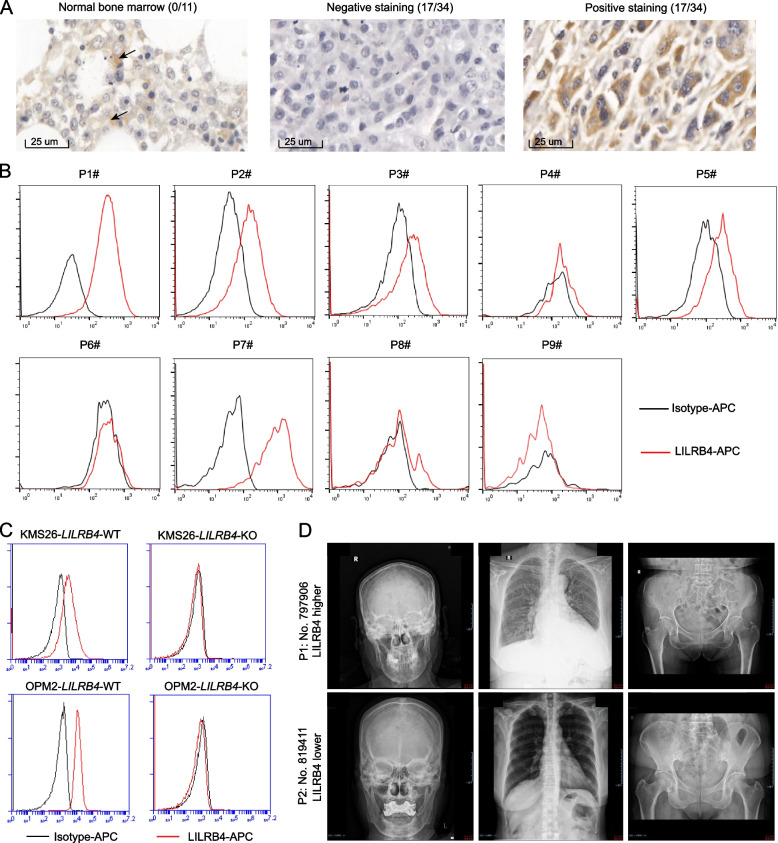 Figure 1
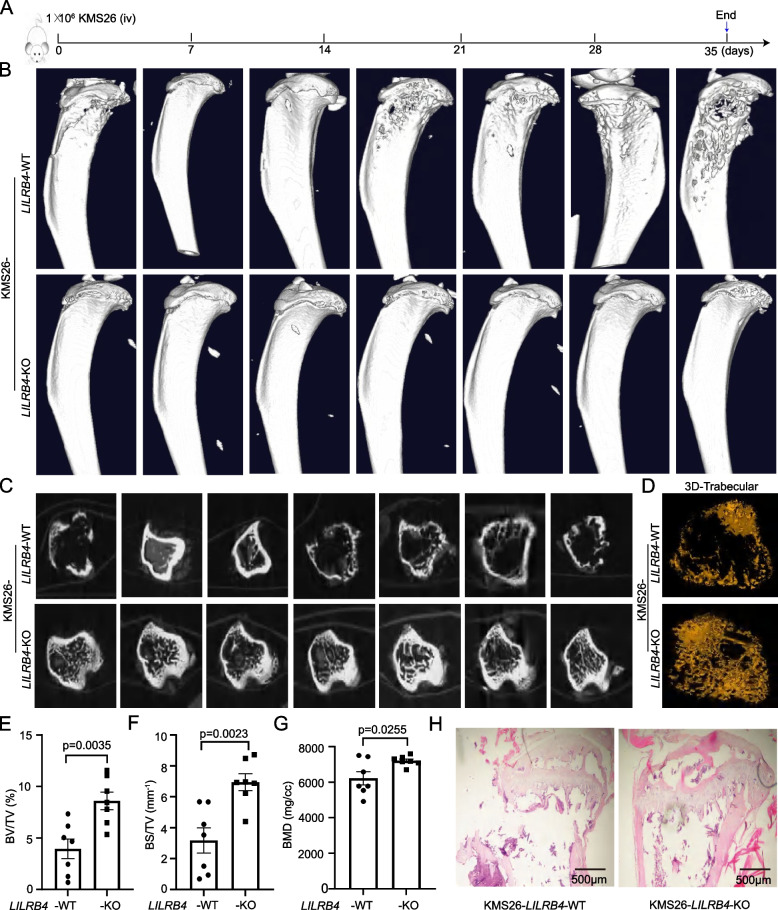 Figure 2
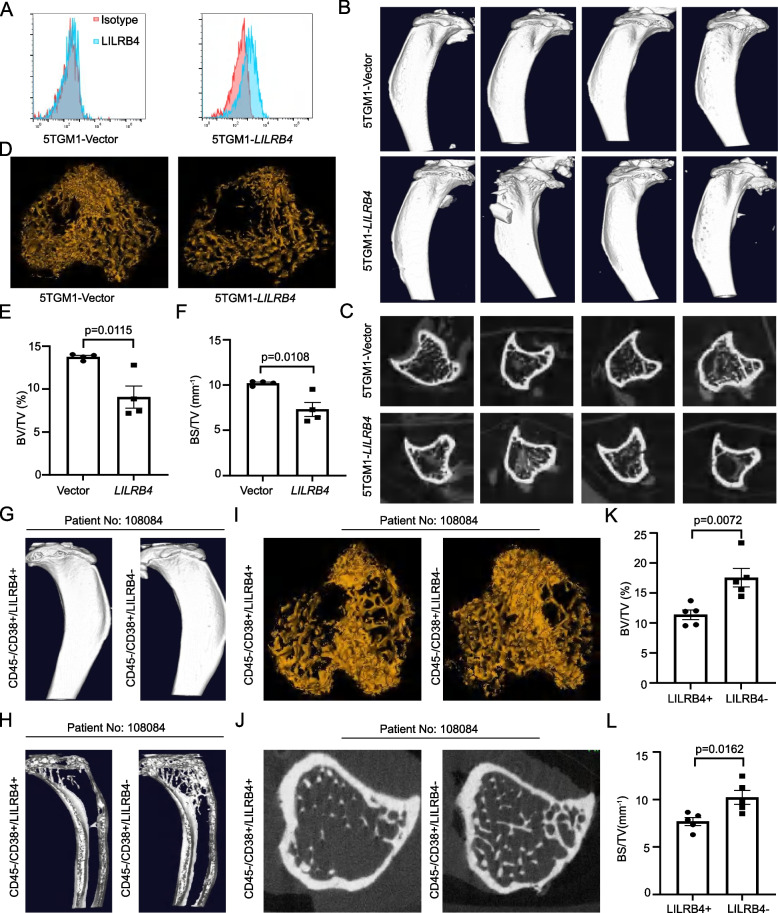 Figure 3
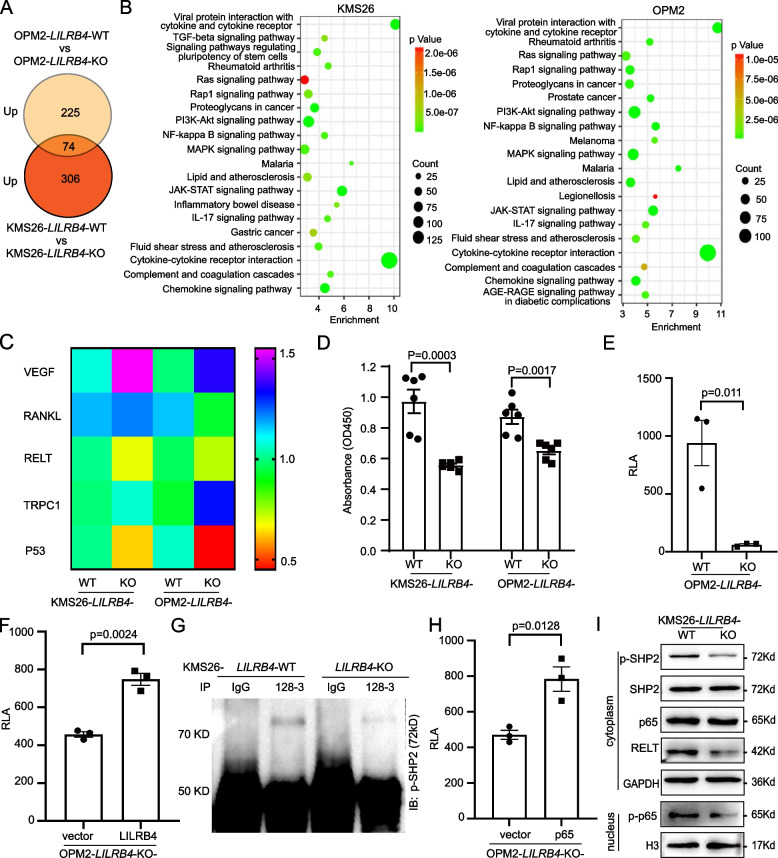 Figure 4
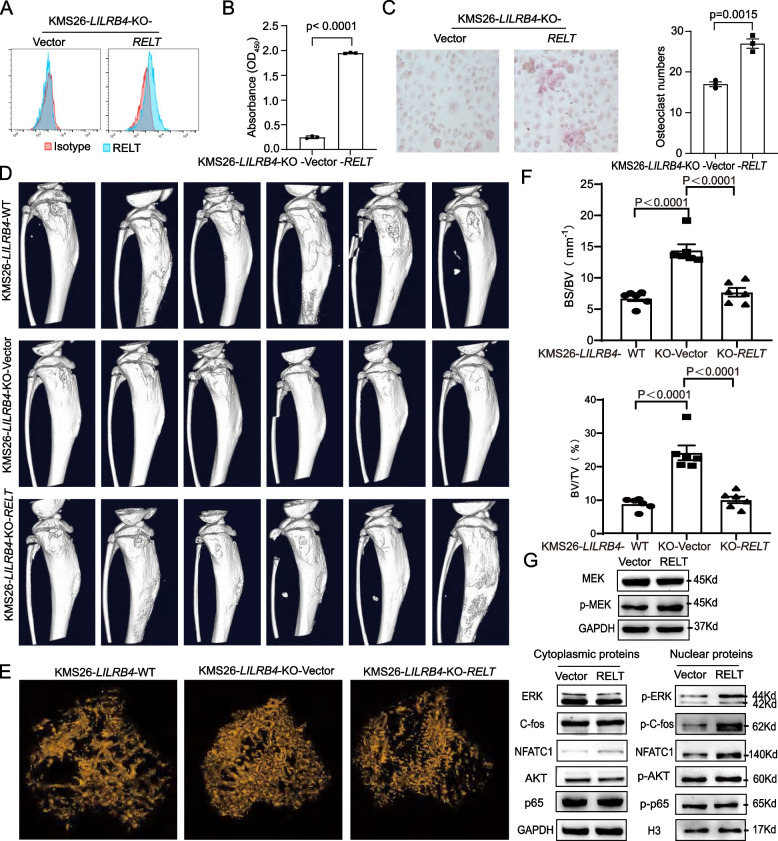 Figure 5
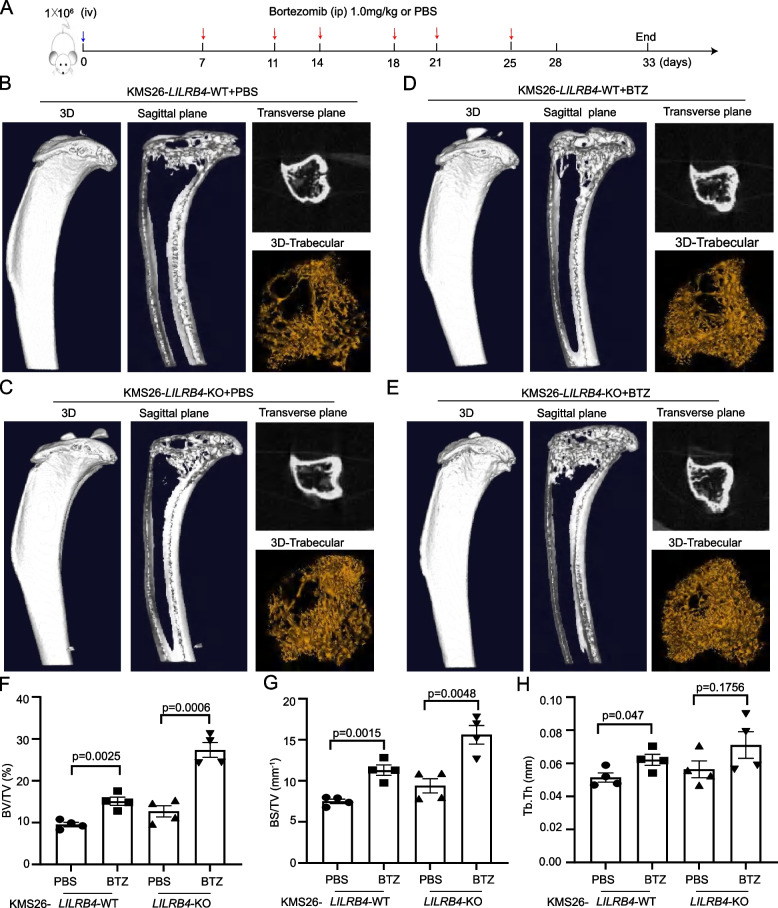 Figure 6
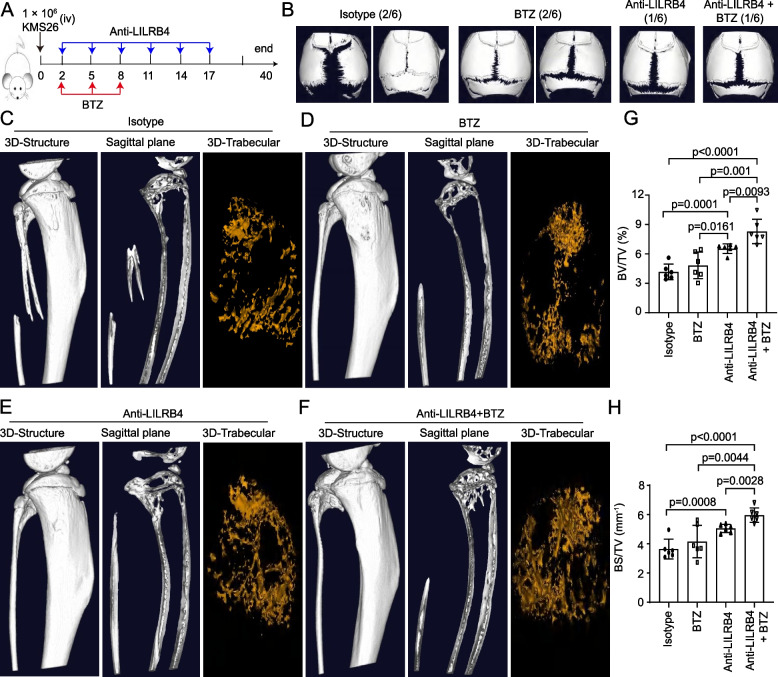 Figure 7
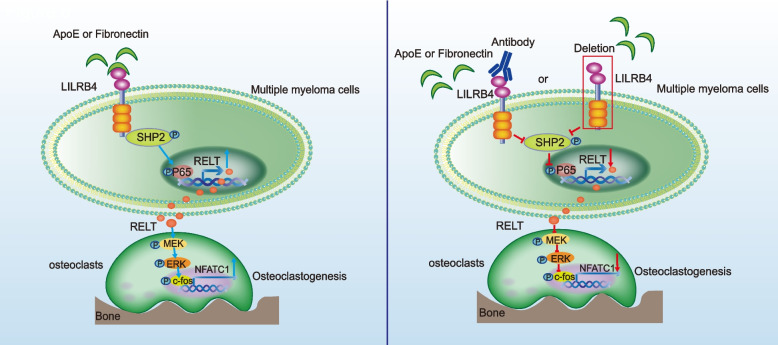 Figure 8
Peer Reviews
No public reviews on file for this paper yet. If you reviewed it on a platform where reviews are public (OpenReview, ICLR, NeurIPS, ICML), you can paste yours below so the community can read it here.
Videos
No videos yet. Explain this paper in a talk, walkthrough, or lecture? Add one.
Taxonomy
TopicsTGF-β signaling in diseases · Wnt/β-catenin signaling in development and cancer · Bone Metabolism and Diseases