Moniezia benedeni drives the SNAP-25 expression of the enteric nerves in sheep's small intestine
Zhen Huang, Wanling Yao, Wanhong He, Jing Pan, Wenzhu Chai, Baoshan Wang, Zhitao Jia, Xiping Fan, Wenhui Wang, Wangdong Zhang

TL;DR
This study shows that infection with Moniezia benedeni increases SNAP-25 protein levels in sheep's intestinal nerves, suggesting a role in immune response to parasites.
Contribution
The study demonstrates for the first time that M. benedeni infection significantly upregulates SNAP-25 expression in sheep's small intestine nerves.
Findings
SNAP-25 is primarily expressed in the muscular layer and lamina propria of sheep's small intestine.
M. benedeni infection significantly increases SNAP-25 expression levels in all intestinal segments (P < 0.05).
The spatial distribution of SNAP-25-expressing nerve fibers remains consistent despite increased expression.
Abstract
The neuroimmune network plays a crucial role in regulating mucosal immune homeostasis within the digestive tract. Synaptosome-associated protein 25 (SNAP-25) is a presynaptic membrane-binding protein that activates ILC2s, initiating the host's anti-parasitic immune response. To investigate the effect of Moniezia benedeni (M. benedeni) infection on the distribution of SNAP-25 in the sheep's small intestine, the recombinant plasmid pET-28a-SNAP-25 was constructed and expressed in BL21, yielding the recombinant protein. Then, the rabbit anti-sheep SNAP-25 polyclonal antibody was prepared and immunofluorescence staining was performed with it. The expression levels of SNAP-25 in the intestines of normal and M. benedeni-infected sheep were detected by ELISA. The results showed that the SNAP-25 recombinant protein was 29.3 KDa, the titer of the prepared immune serum reached 1:128,000. It was…
Genes, proteins, chemicals, diseases, species, mutations and cell lines named across the full text — each resolved to its canonical identifier and authoritative record.
Click any figure to enlarge with its caption.
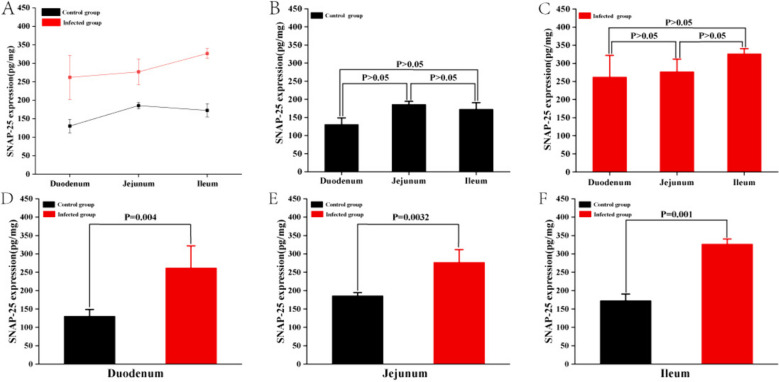 Figure 10
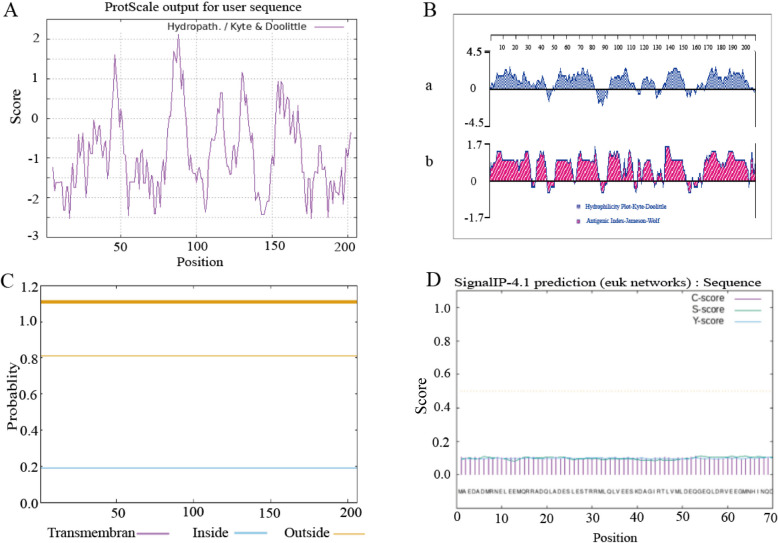 Figure 1
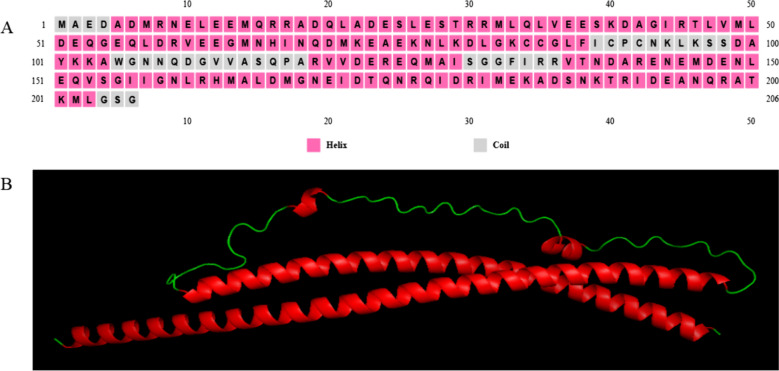 Figure 2
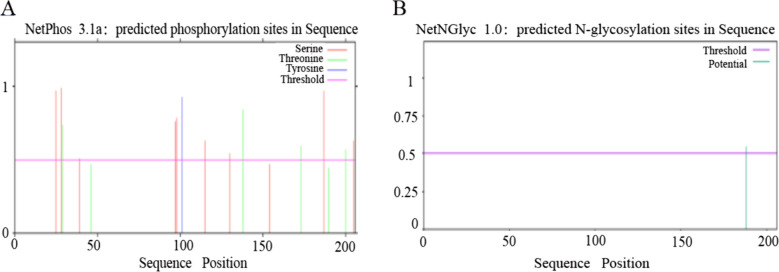 Figure 3
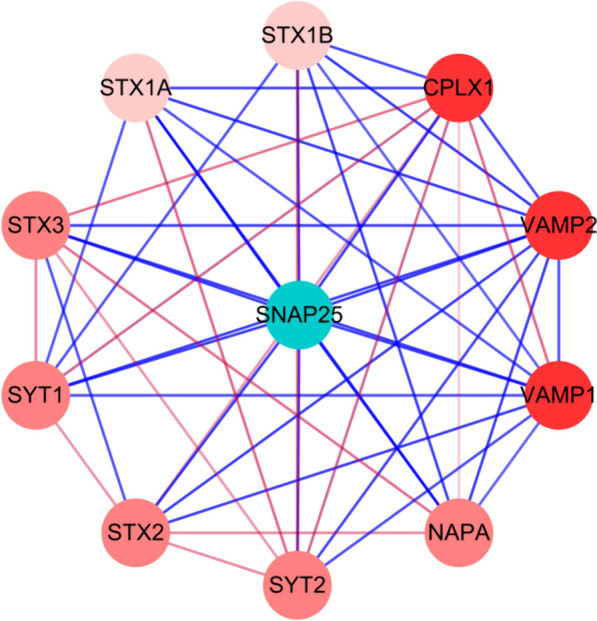 Figure 4
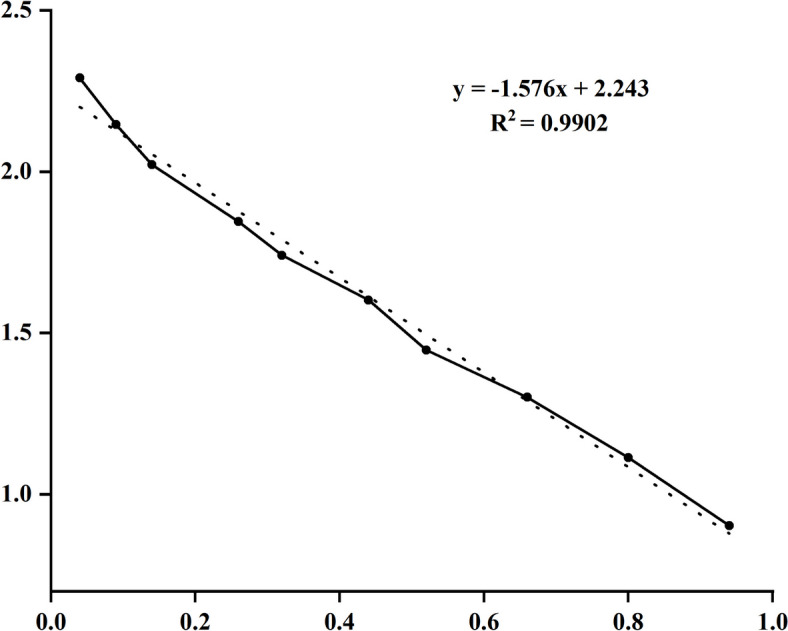 Figure 5
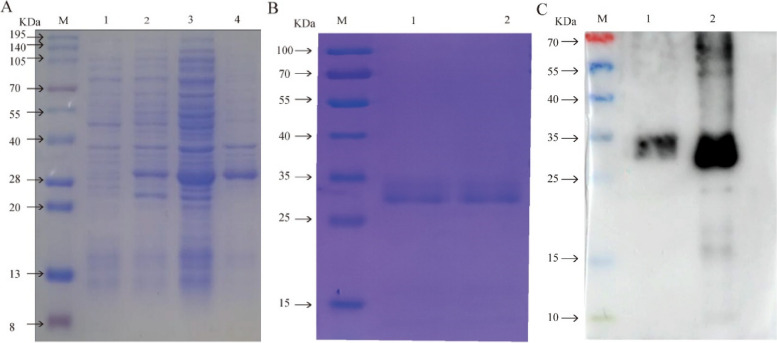 Figure 6
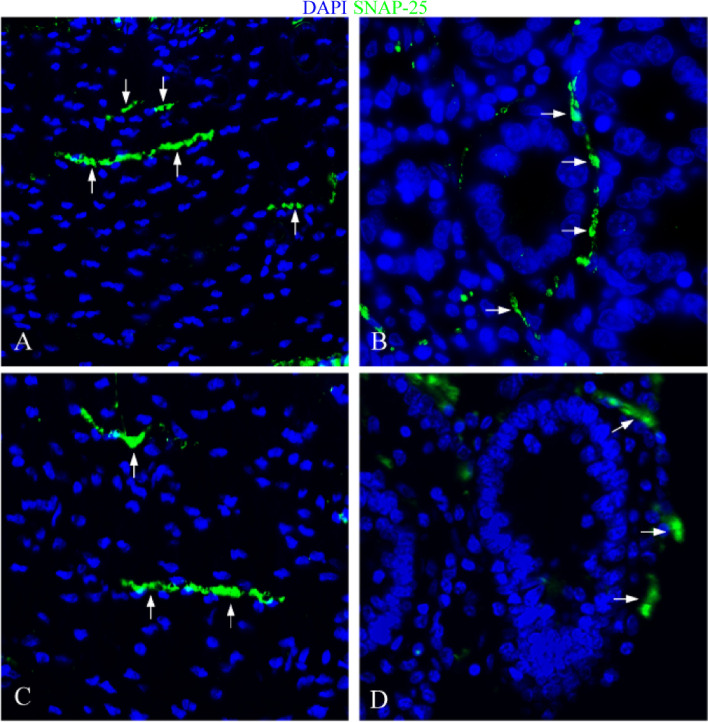 Figure 7
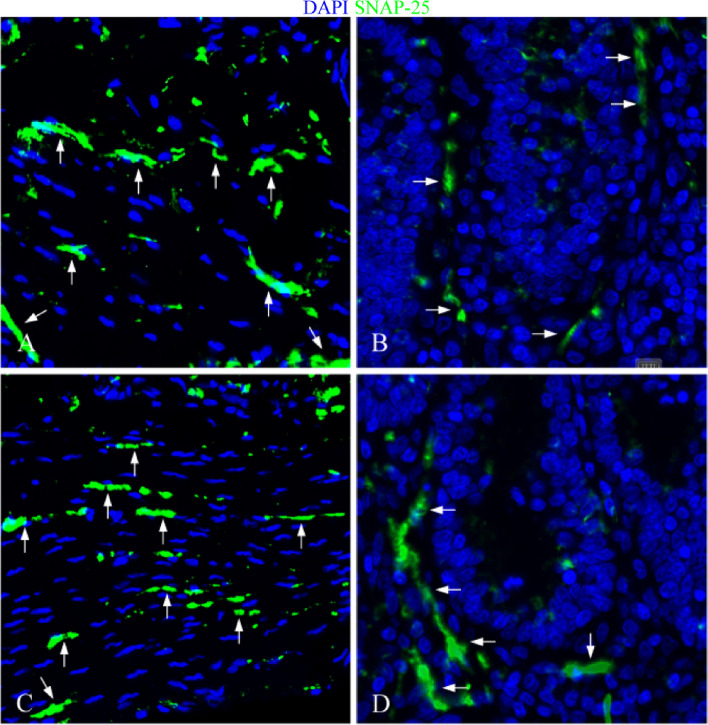 Figure 8
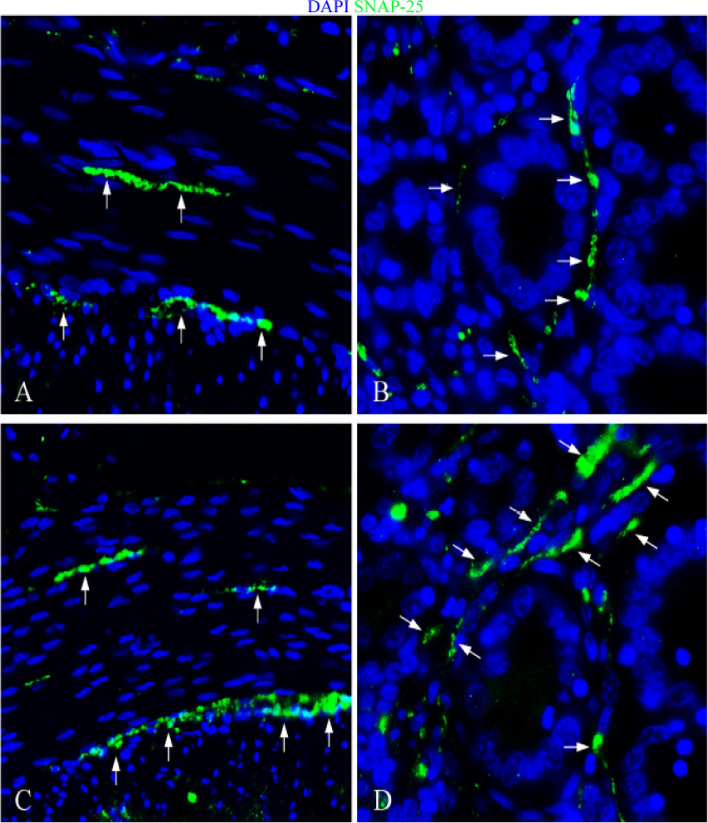 Figure 9
Peer Reviews
No public reviews on file for this paper yet. If you reviewed it on a platform where reviews are public (OpenReview, ICLR, NeurIPS, ICML), you can paste yours below so the community can read it here.
Videos
No videos yet. Explain this paper in a talk, walkthrough, or lecture? Add one.
Taxonomy
TopicsIL-33, ST2, and ILC Pathways · Whipple's Disease and Interleukins · Eosinophilic Esophagitis