Long-term musculoskeletal function after Open Pelvic ring fractures in Children (OPEC); a multicentre, retrospective case series with follow-up measurement
A.H.M. Mennen, E.M.M. Van Lieshout, P.A. Bisoen, F.W. Bloemers, A.E. Geerlings, D. Koole, M.H.J. Verhofstad, J.J. Visser, D. Van Embden, M.G. Van Vledder

TL;DR
This study examines long-term outcomes of open pelvic fractures in children, finding significant musculoskeletal and urogenital issues.
Contribution
The study provides novel insights into long-term musculoskeletal and urogenital outcomes in children with open pelvic fractures.
Findings
Most patients experienced complications and Pelvic malunion in long-term radiologic follow-up.
Musculoskeletal and neurological impairments were observed in lower extremity and sensory motor function.
Urogenital function was moderately affected, with limited sexual dysfunction reported.
Abstract
The proportion of Open Pelvic fractures in the paediatric population is relatively high. While operative fixation is the primary approach for managing Open Pelvic fractures in adults, there is limited literature on treatment outcomes in Children, particularly regarding long-term musculoskeletal, neurological, and urogenital function. This multicentre case series included paediatric patients (<18 years old) with Open Pelvic ring fractures treated at one of two major trauma centres in the Netherlands between January 1, 2001 and December 31, 2021. Data collection involved clinical records and long-term assessments, including musculoskeletal function, growth disorders, urogenital function, sexual dysfunction, and sensory motor function. A total of 11 patients were included, primarily females (73 %), with a median age at trauma of 12 years (P25–P75 7–14). Most patients had unstable Pelvic…
Genes, proteins, chemicals, diseases, species, mutations and cell lines named across the full text — each resolved to its canonical identifier and authoritative record.
Click any figure to enlarge with its caption.
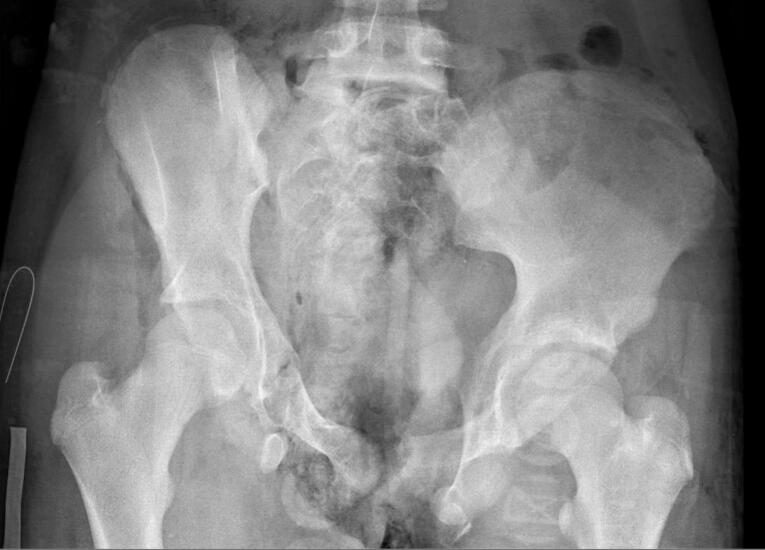 Figure 1
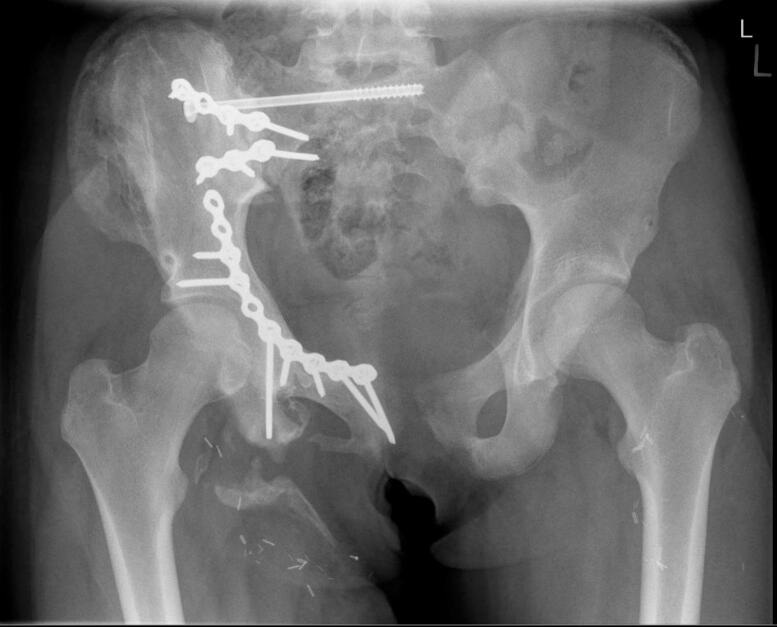 Figure 2
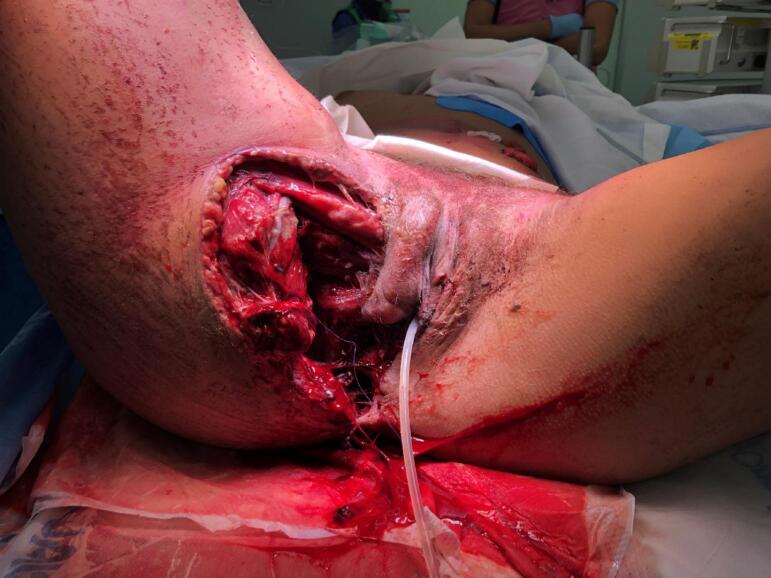 Figure 3
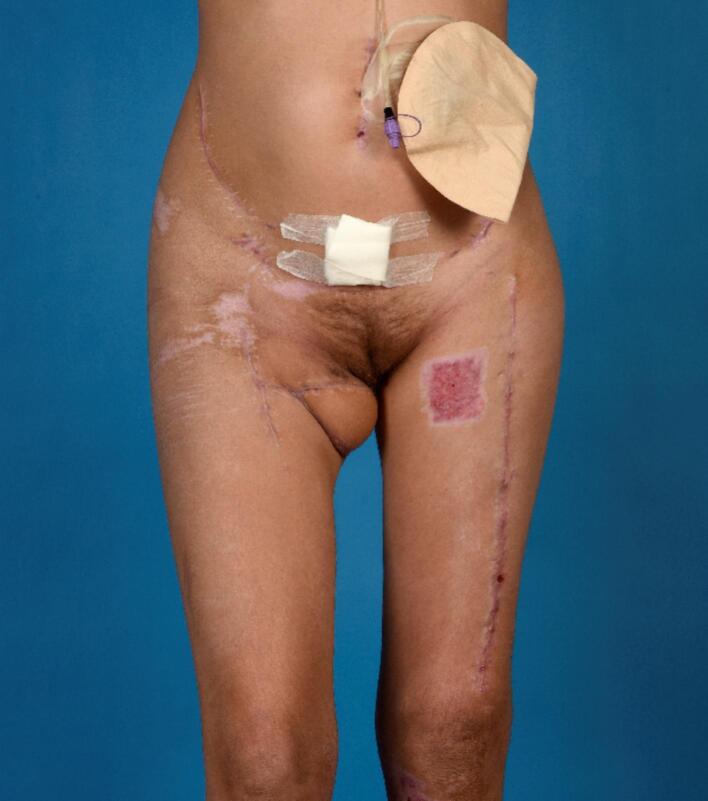 Figure 4
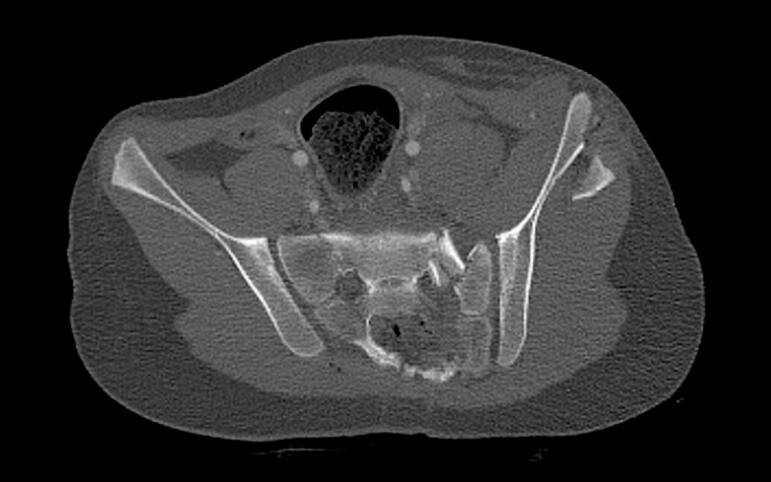 Figure 5
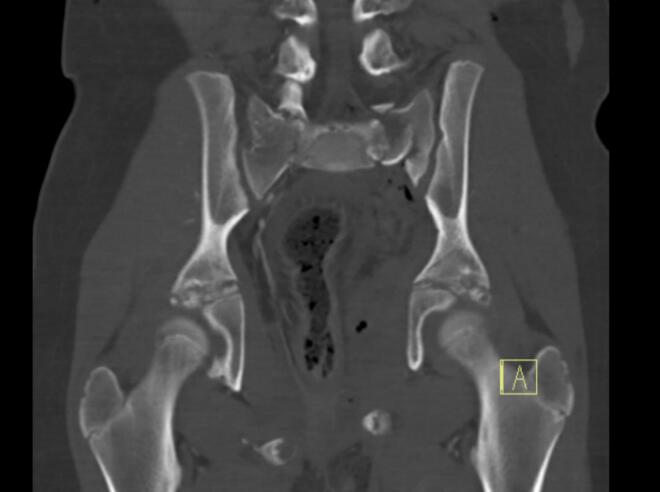 Figure 6
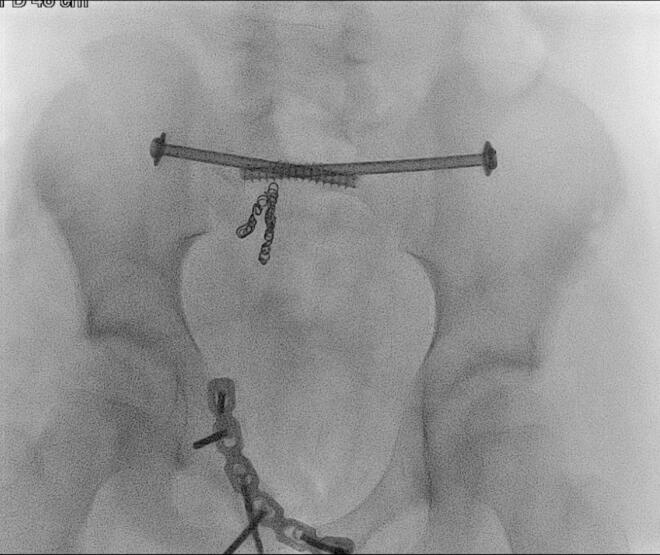 Figure 7
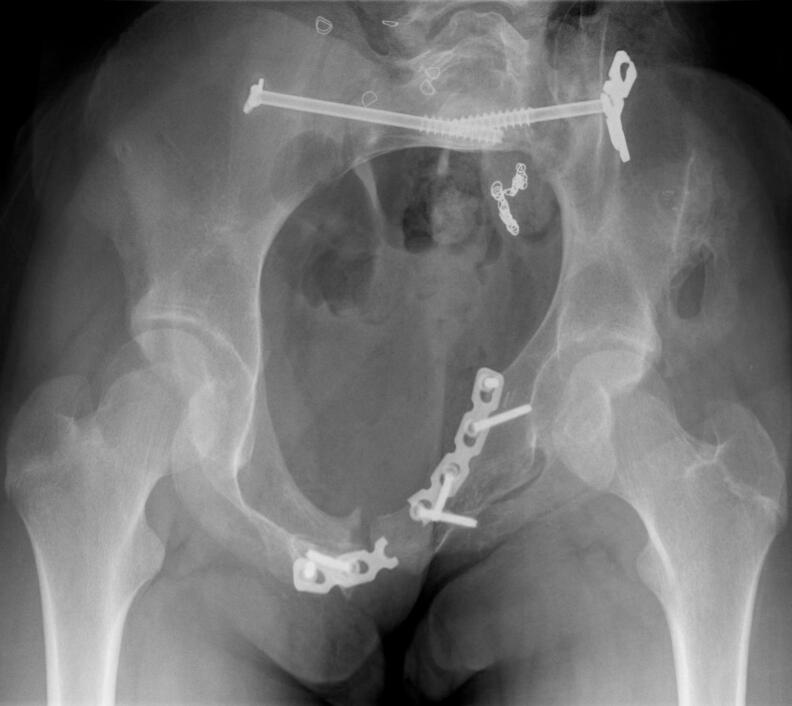 Figure 8
Peer Reviews
No public reviews on file for this paper yet. If you reviewed it on a platform where reviews are public (OpenReview, ICLR, NeurIPS, ICML), you can paste yours below so the community can read it here.
Videos
No videos yet. Explain this paper in a talk, walkthrough, or lecture? Add one.
Taxonomy
TopicsPelvic and Acetabular Injuries · Shoulder and Clavicle Injuries · Urological Disorders and Treatments