Stomach as the target organ of Rickettsia heilongjiangensis infection in C57BL/6 mice identified by click chemistry
Juan Wang, Li-Feng Du, Ming-Zhu Zhang, Wei Wei, Zi-Yun Chen, Xu Zhang, Tao Xiong, Zhen-Fei Wang, Luo-Yuan Xia, Jia-Fu Jiang, Wen-Jun Li, Dai-Yun Zhu, Na Jia, Wu-Chun Cao

TL;DR
Researchers used a new chemical method to track Rickettsia heilongjiangensis in mice and found that the stomach is a key infection site, explaining gastrointestinal symptoms.
Contribution
A novel labeling method using click chemistry was developed to study Rickettsia infection in mice, revealing the stomach as a target organ.
Findings
The stomach is identified as the target organ of R. heilongjiangensis infection in C57BL/6 mice.
A new labeling method using azide moieties enabled rapid pathogen localization without complex procedures.
Gastrointestinal symptoms in some cases of R. heilongjiangensis infection may be explained by stomach targeting.
Abstract
Spotted fever group rickettsiae (SFGR) are obligate intracellular bacteria that cause spotted fever. The limitations of gene manipulation pose great challenges to studying the infection mechanisms of Rickettsia. By combining bioorthogonal metabolism and click chemistry, we developed a method to label R. heilongjiangensis via azide moieties and achieved rapid pathogen localization without complex procedures. Moreover, we constructed a C57BL/6 mice infection model by simulating tick bites and discovered that the stomach is the target organ of R. heilongjiangensis infection through in vivo imaging systems, which explained the occurrence of gastrointestinal symptoms following R. heilongjiangensis infection in some cases. This study offers a unique perspective for subsequent investigations into the pathogenic mechanisms of SFGR and identifies a potential target organ for R.…
Genes, proteins, chemicals, diseases, species, mutations and cell lines named across the full text — each resolved to its canonical identifier and authoritative record.
Click any figure to enlarge with its caption.
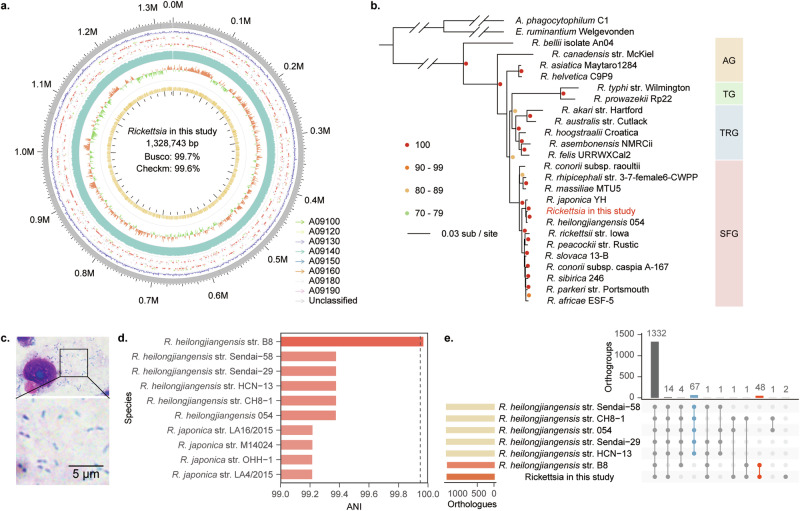 Figure 1
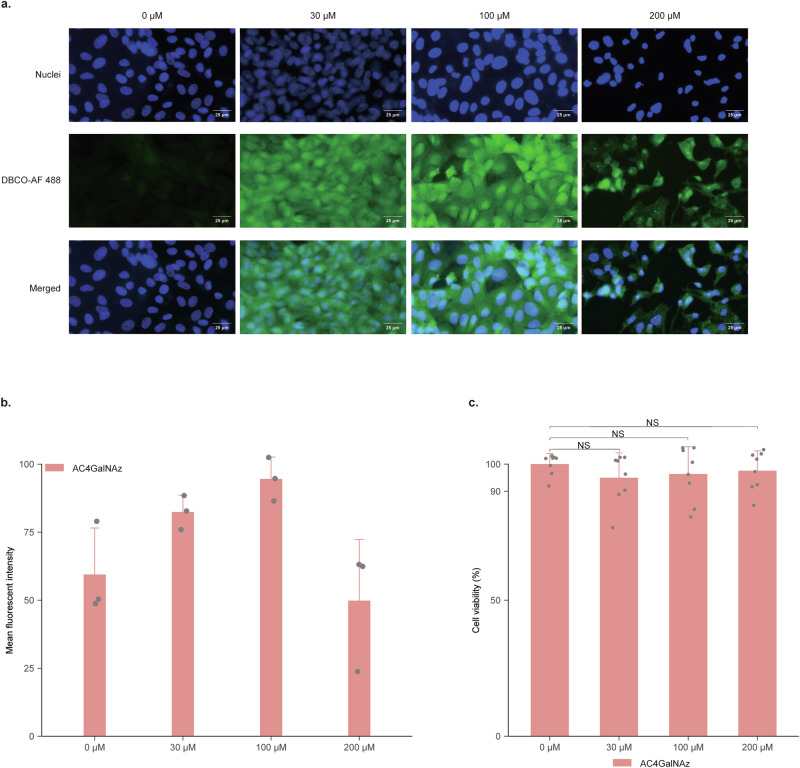 Figure 2
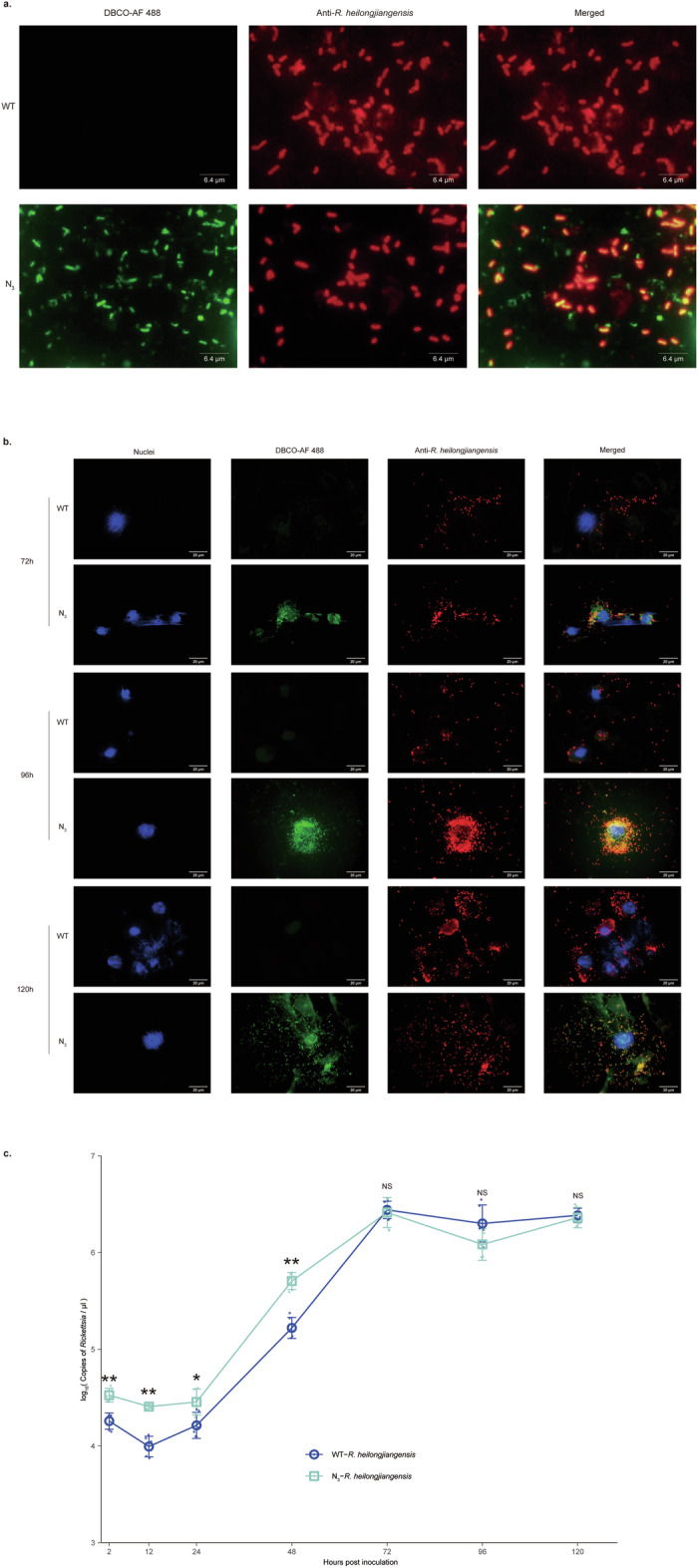 Figure 3
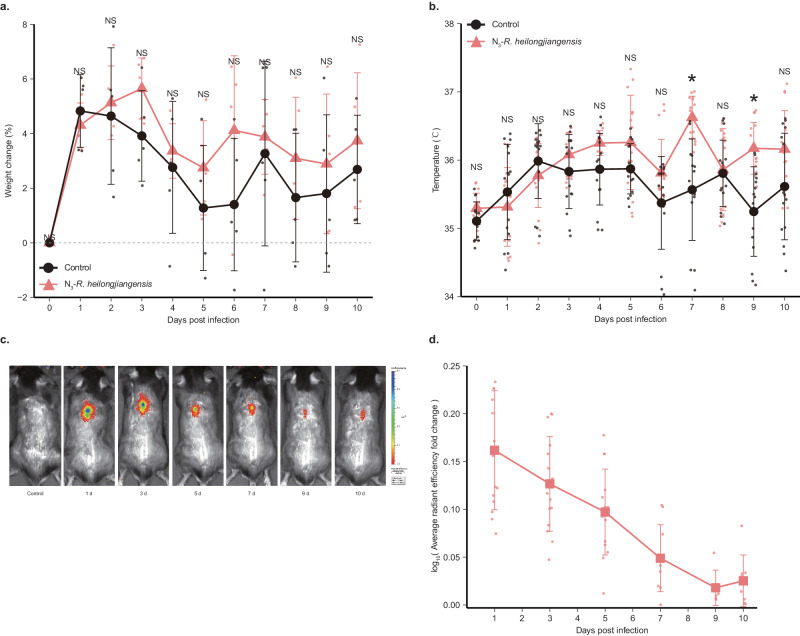 Figure 4
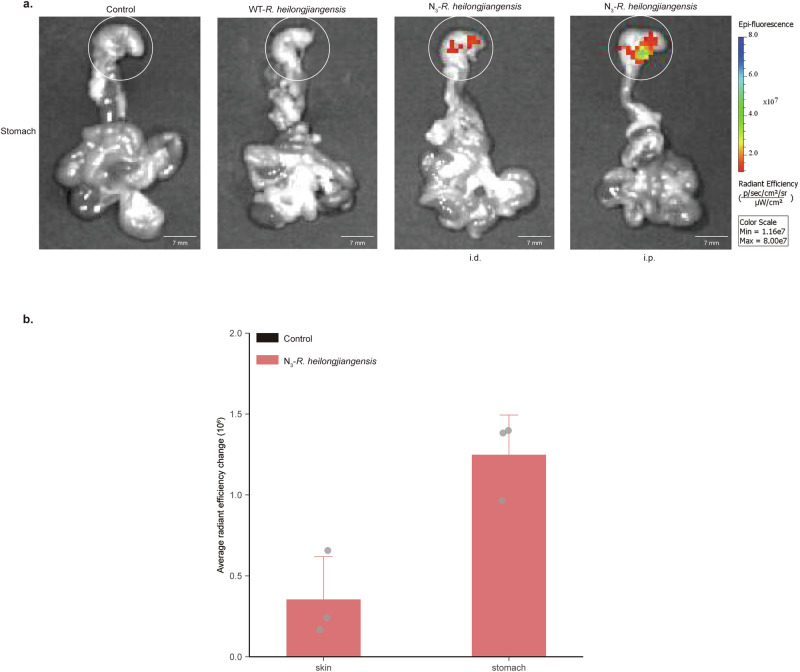 Figure 5
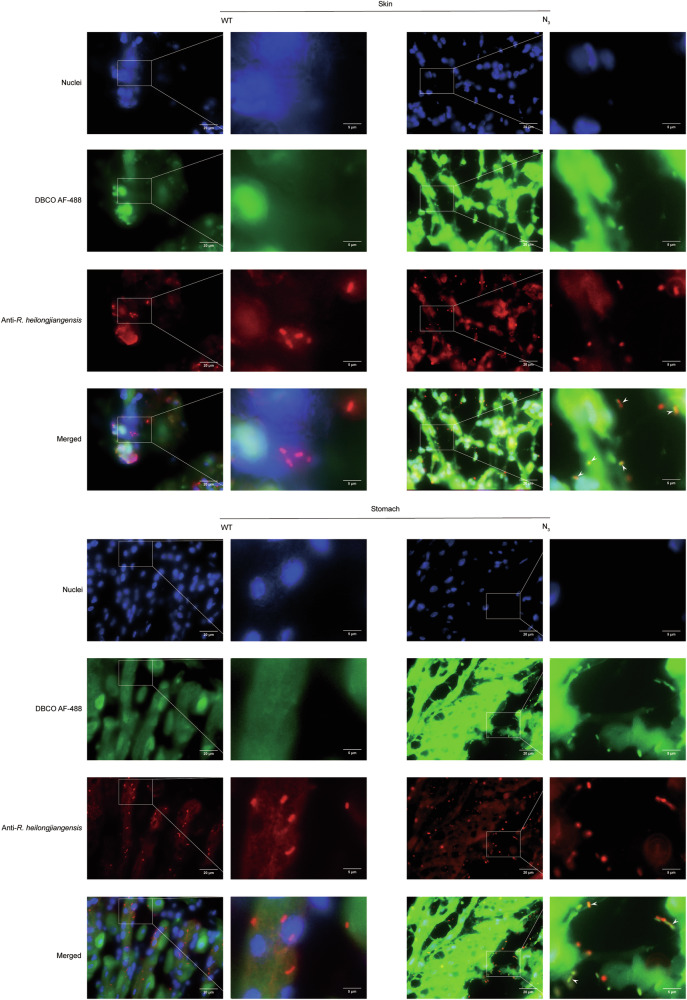 Figure 6
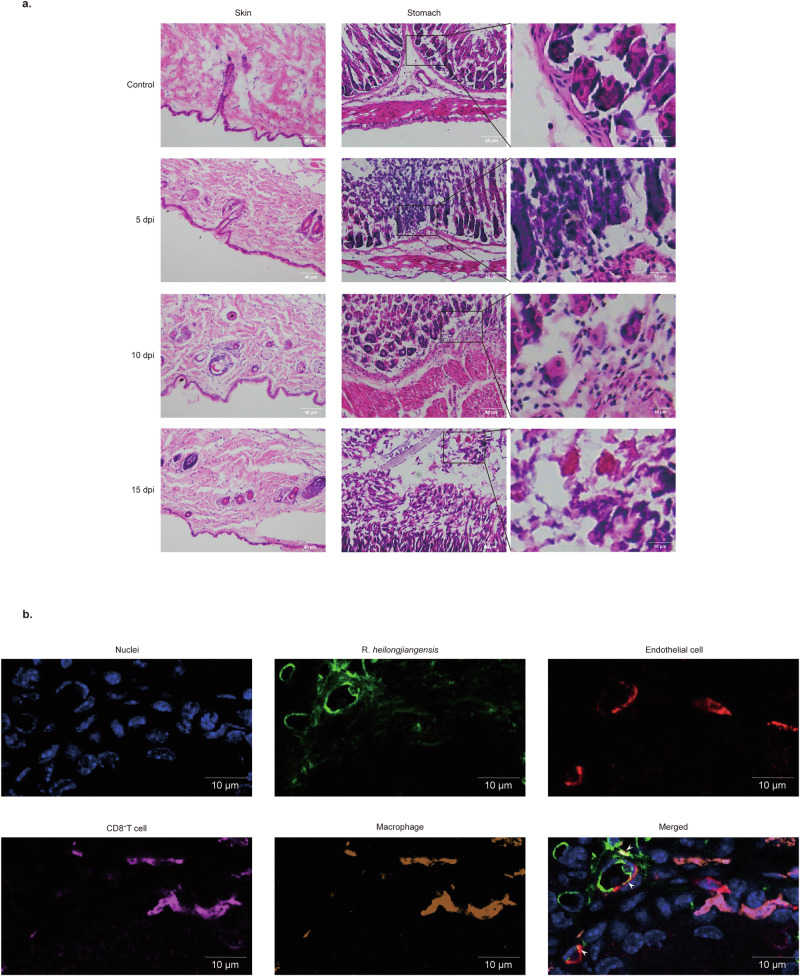 Figure 7
Peer Reviews
No public reviews on file for this paper yet. If you reviewed it on a platform where reviews are public (OpenReview, ICLR, NeurIPS, ICML), you can paste yours below so the community can read it here.
Videos
No videos yet. Explain this paper in a talk, walkthrough, or lecture? Add one.
Taxonomy
TopicsMosquito-borne diseases and control · Vector-borne infectious diseases · HIV Research and Treatment