sUPRa is a dual-color reporter for unbiased quantification of the unfolded protein response with cellular resolution
Atreyi Chakrabarty, Sarah E. Newey, Maisha M. Promi, Belinda K. Agbetiameh, Daniella Munro, Paul J. N. Brodersen, Gemma Gothard, Kashif Mahfooz, Jose P. Mengual, Vladyslav V. Vyazovskiy, Colin J. Akerman

TL;DR
sUPRa is a new tool that measures the unfolded protein response in cells with high accuracy and sensitivity, revealing UPR activity in specific brain cells after sleep deprivation.
Contribution
sUPRa is a novel dual-color reporter that quantifies the global unfolded protein response with cellular resolution and improved sensitivity.
Findings
sUPRa outperforms existing reporters in sensitivity and kinetics for UPR monitoring.
sUPRa detects UPR activation in layer 2/3 pyramidal neurons of the mouse cerebral cortex after sleep deprivation.
The dual promoter design of sUPRa ensures detection of both UPR-active and inactive cells.
Abstract
The unfolded protein response (UPR) maintains proteostasis upon endoplasmic reticulum (ER) stress, and is initiated by a range of physiological and pathological processes. While there have been advances in developing fluorescent reporters for monitoring individual signaling pathways of the UPR, this approach may not capture a cell’s overall UPR activity. Here we describe a novel sensor of UPR activity, sUPRa, which is designed to report the global UPR. sUPRa displays excellent response characteristics, outperforms reporters of individual UPR pathways in terms of sensitivity and kinetics, and responds to a range of different ER stress stimuli. Furthermore, sUPRa’s dual promoter and fluorescent protein design ensures that both UPR-active and inactive cells are detected, and controls for reporter copy number. Using sUPRa, we reveal UPR activation in layer 2/3 pyramidal neurons of mouse…
Genes, proteins, chemicals, diseases, species, mutations and cell lines named across the full text — each resolved to its canonical identifier and authoritative record.
Click any figure to enlarge with its caption.
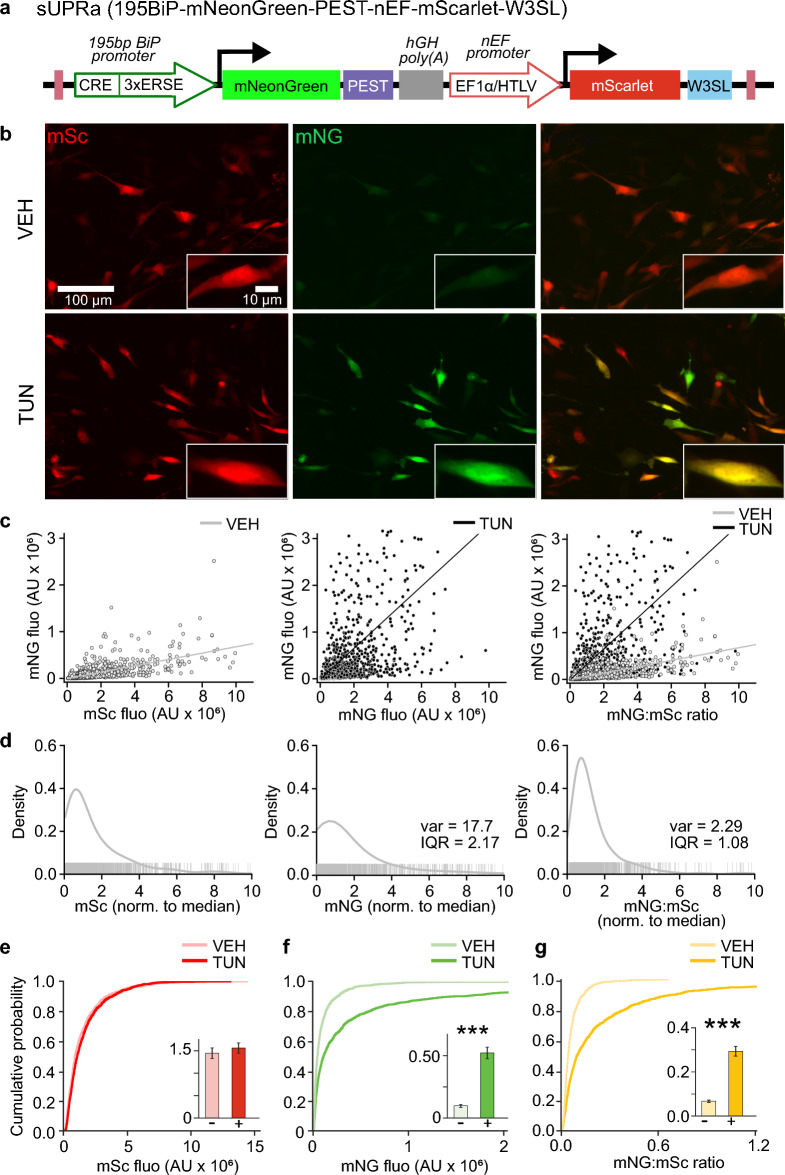 Figure 1
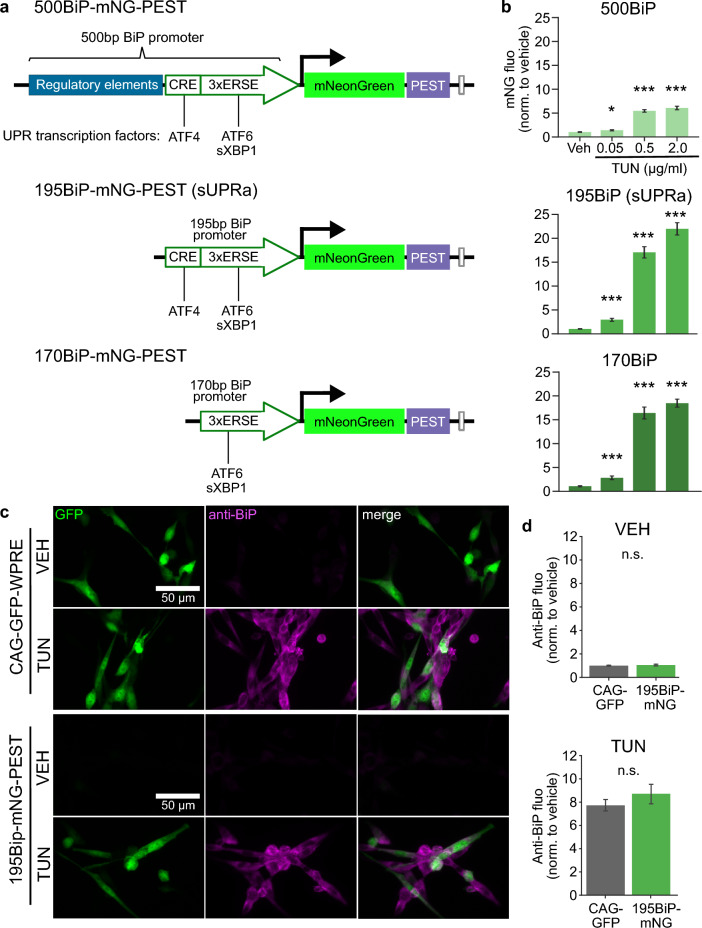 Figure 2
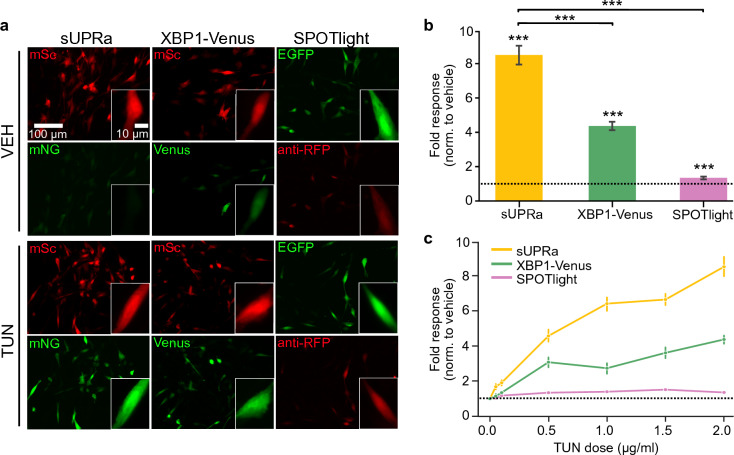 Figure 3
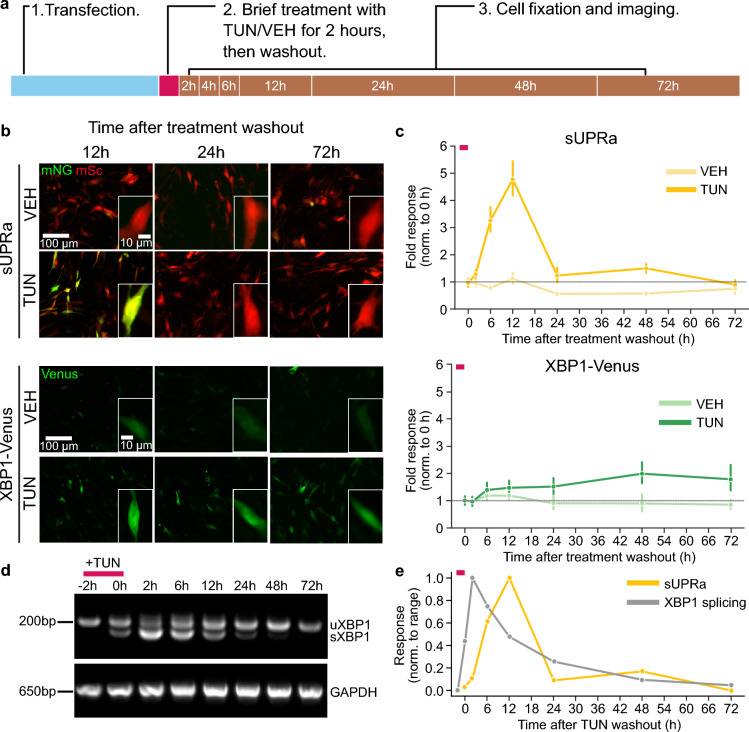 Figure 4
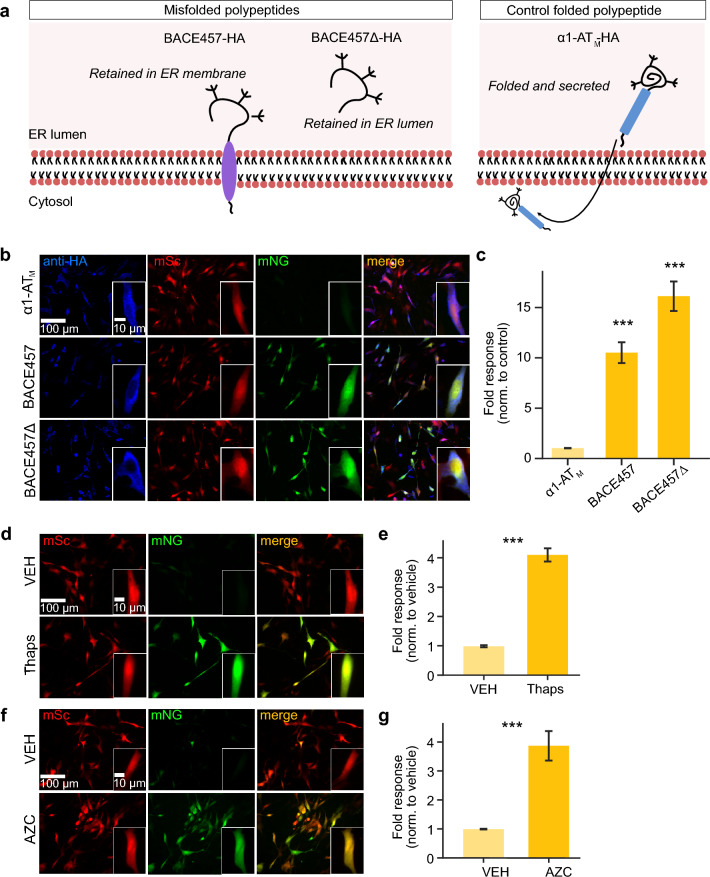 Figure 5
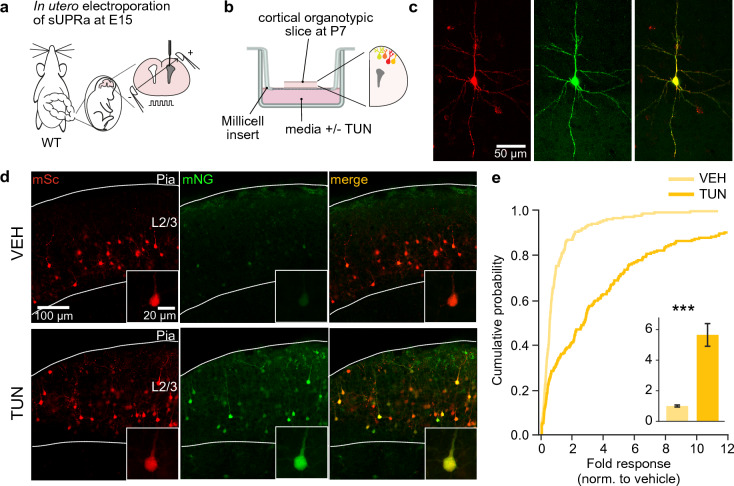 Figure 6
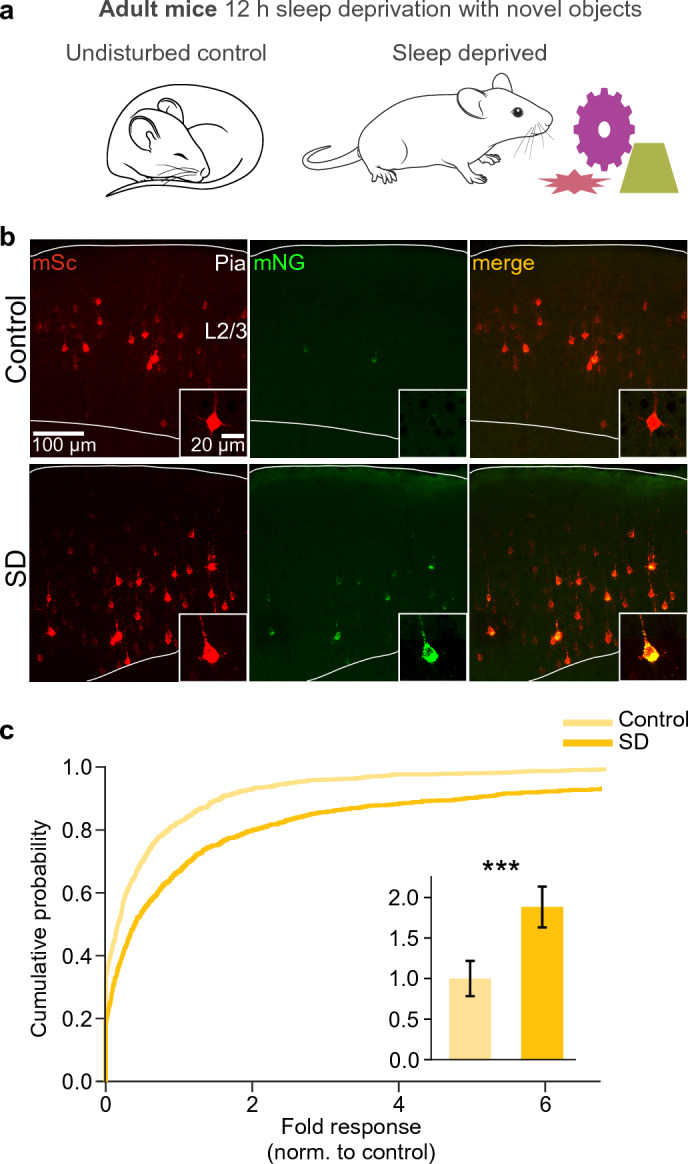 Figure 7
Peer Reviews
No public reviews on file for this paper yet. If you reviewed it on a platform where reviews are public (OpenReview, ICLR, NeurIPS, ICML), you can paste yours below so the community can read it here.
Videos
No videos yet. Explain this paper in a talk, walkthrough, or lecture? Add one.
Taxonomy
TopicsEndoplasmic Reticulum Stress and Disease · Autophagy in Disease and Therapy · Sirtuins and Resveratrol in Medicine