Evolutionary preservation of CpG dinucleotides in RAG1 may elucidate the relatively high rate of methylation-mediated mutagenesis of RAG1 transposase
Mariam M. Fawzy, Maiiada H. Nazmy, Azza A. K. El-Sheikh, Moustafa Fathy

TL;DR
This study explores why RAG1, a gene involved in immune system development, has a higher rate of mutations caused by CpG methylation compared to other genes.
Contribution
The study reveals that RAG1 retains a higher proportion of ancestral CpG dinucleotides, making it more susceptible to methylation-mediated mutagenesis.
Findings
57.57% of RAG1 pathogenic mutations and 51.6% of disease-causing mutations are linked to CpG methylation.
RAG1 has a higher percentage of ancestral CpG (6%) compared to RAG2 (4.2%).
CpG loci in RAG1 are more methylated in sperm compared to RAG2.
Abstract
Recombination-activating gene 1 (RAG1) is a vital player in V(D)J recombination, a fundamental process in primary B cell and T cell receptor diversification of the adaptive immune system. Current vertebrate RAG evolved from RAG transposon; however, it has been modified to play a crucial role in the adaptive system instead of being irreversibly silenced by CpG methylation. By interrogating a range of publicly available datasets, the current study investigated whether RAG1 has retained a disproportionate level of its original CpG dinucleotides compared to other genes, thereby rendering it more exposed to methylation-mediated mutation. Here, we show that 57.57% of RAG1 pathogenic mutations and 51.6% of RAG1 disease-causing mutations were associated with CpG methylation, a percentage that was significantly higher than that of its RAG2 cofactor alongside the whole genome. The CpG scores and…
Genes, proteins, chemicals, diseases, species, mutations and cell lines named across the full text — each resolved to its canonical identifier and authoritative record.
Click any figure to enlarge with its caption.
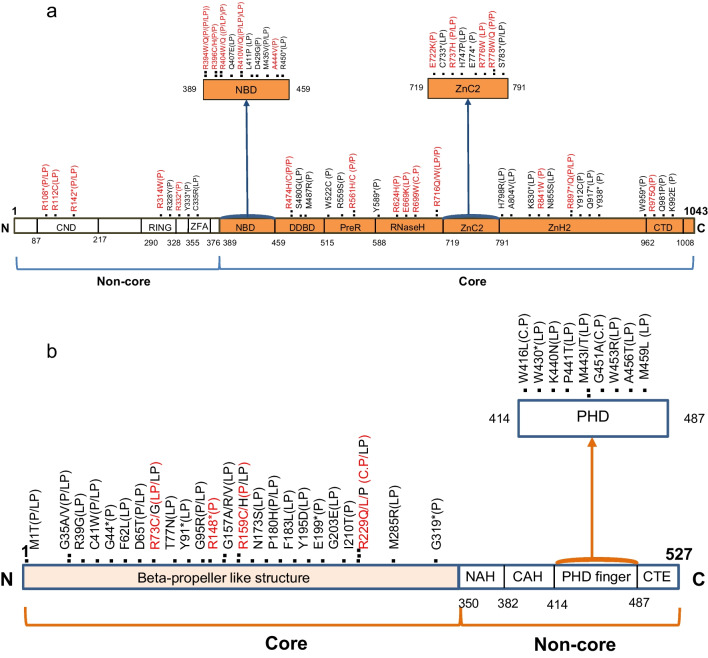 Figure 1
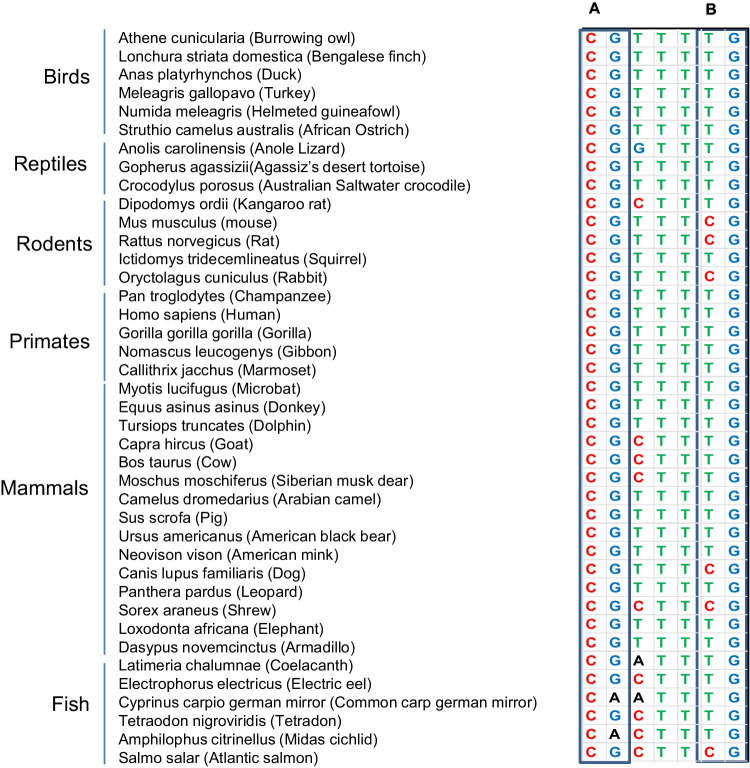 Figure 2
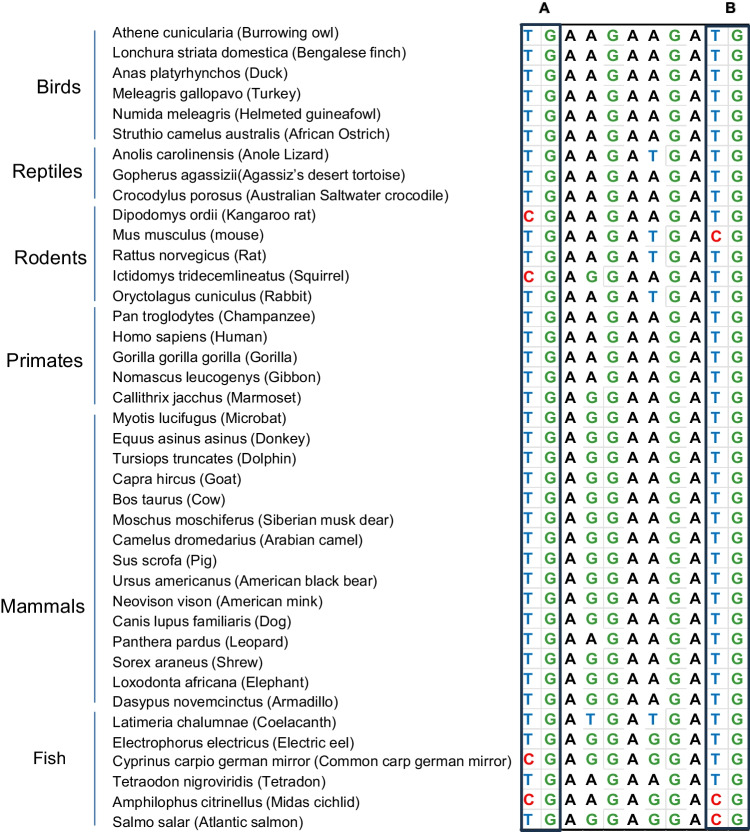 Figure 3
Peer Reviews
No public reviews on file for this paper yet. If you reviewed it on a platform where reviews are public (OpenReview, ICLR, NeurIPS, ICML), you can paste yours below so the community can read it here.
Videos
No videos yet. Explain this paper in a talk, walkthrough, or lecture? Add one.
Taxonomy
TopicsImmunodeficiency and Autoimmune Disorders · T-cell and B-cell Immunology · Immune Cell Function and Interaction