Naturally sterile Mus spretus hybrids are suitable for the generation of pseudopregnant embryo transfer recipients
Chris Preece, Daniel Biggs, Edward Grencis, Maj Simonsen Jackson, Sue Allen, Martin Fray, Antony Adamson, Benjamin Davies

TL;DR
Researchers found that naturally sterile B6SPRTF1 hybrid mice can replace surgically vasectomized mice for embryo transfers, reducing animal discomfort and breeding efforts.
Contribution
The study introduces B6SPRTF1 hybrids as a widely distributable, naturally sterile alternative to surgical vasectomized mice for embryo transfer recipients.
Findings
B6SPRTF1 hybrids are suitable for generating pseudopregnant embryo transfer recipients.
The method avoids surgical procedures and reduces the need for transgenic strain breeding.
Distribution of sperm via in vitro fertilization is a robust alternative to maintaining live colonies.
Abstract
For the preparation of embryo transfer recipients, surgically vasectomized mice are commonly used, generated by procedures associated with pain and discomfort. Sterile transgenic strains provide a nonsurgical replacement, but their maintenance requires breeding and genotyping procedures. We have previously reported the use of naturally sterile STUSB6F1 hybrids for the production of embryo transfer recipients and found the behavior of these recipients to be indistinguishable from those generated by vasectomized males. The method provides two substantial 3R impacts: refinement (when compared with surgical vasectomy) and reduction in breeding procedures (compared with sterile transgenic lines). Despite initial promise, the 3Rs impact of this innovation was limited by difficulties in breeding the parental STUS/Fore strain, which precluded the wider distribution of the sterile hybrid. The…
Genes, proteins, chemicals, diseases, species, mutations and cell lines named across the full text — each resolved to its canonical identifier and authoritative record.
Click any figure to enlarge with its caption.
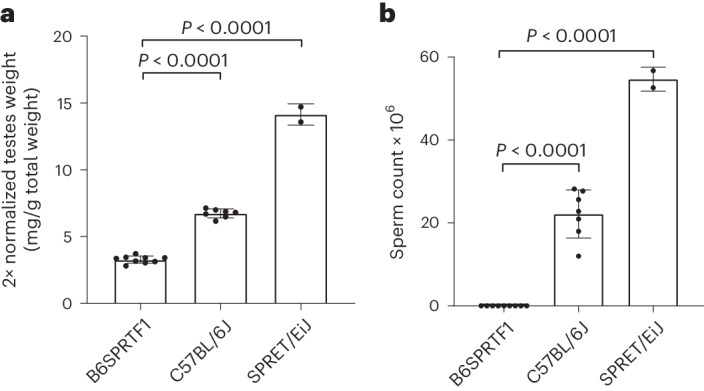 Figure 1
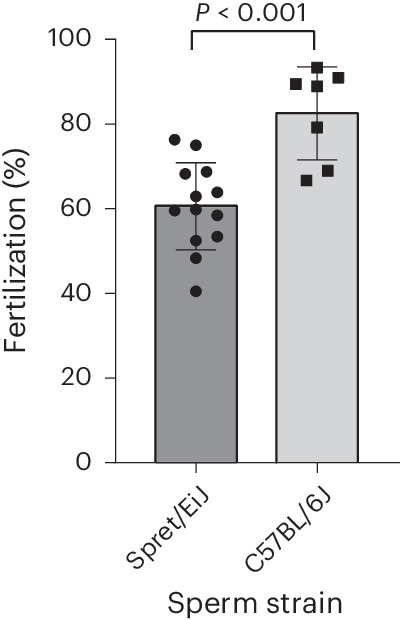 Figure 2
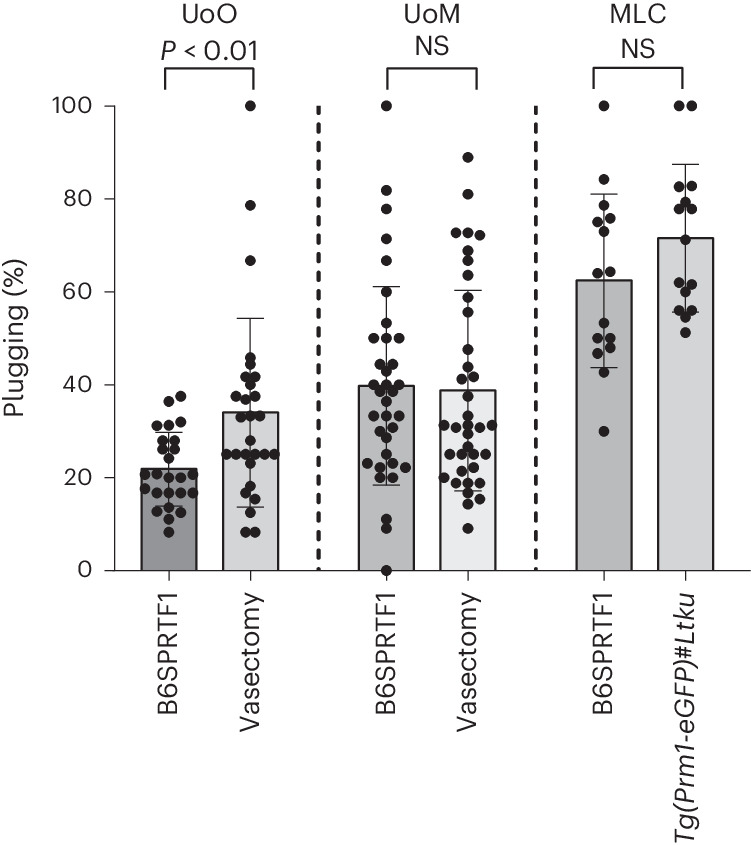 Figure 3
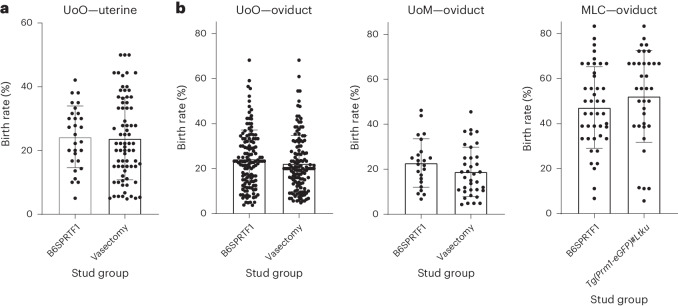 Figure 4
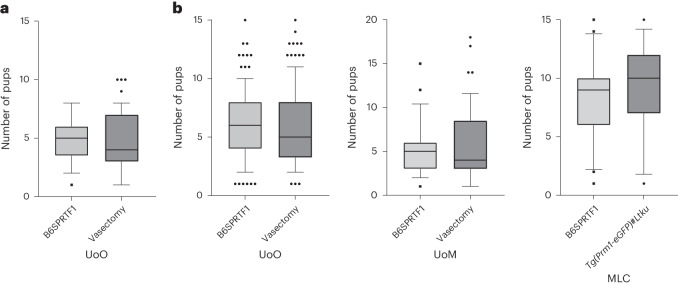 Figure 5
 Figure 6
Peer Reviews
No public reviews on file for this paper yet. If you reviewed it on a platform where reviews are public (OpenReview, ICLR, NeurIPS, ICML), you can paste yours below so the community can read it here.
Videos
No videos yet. Explain this paper in a talk, walkthrough, or lecture? Add one.
Taxonomy
TopicsCRISPR and Genetic Engineering · Pluripotent Stem Cells Research · Animal Genetics and Reproduction