Rapid Diagnosis of Acute Type A Aortic Dissection Through Multimodality Imaging
Chris Soudah, Abe DeAnda, Amer Abdulla

TL;DR
This paper discusses how to quickly diagnose a rare and deadly aortic condition using various imaging techniques to avoid misdiagnosis.
Contribution
The paper emphasizes the importance of multimodality imaging and clinical expertise in accurately diagnosing acute type A aortic dissection.
Findings
TAAD is a rare and potentially fatal disease.
Misdiagnosis of TAAD can be dangerous and fatal to patients.
Multimodality imaging is crucial for accurate diagnosis of TAAD.
Abstract
•TAAD is a rare and potentially fatal disease.•Aortic dissections have a wide range of common risk factors.•This condition can mistakenly present similar to other acute coronary syndromes.•Clinicians need clinical expertise and proper multimodality imaging for diagnosis.•Misdiagnosis of this condition can be dangerous and fatal to patients. TAAD is a rare and potentially fatal disease. Aortic dissections have a wide range of common risk factors. This condition can mistakenly present similar to other acute coronary syndromes. Clinicians need clinical expertise and proper multimodality imaging for diagnosis. Misdiagnosis of this condition can be dangerous and fatal to patients.
Genes, proteins, chemicals, diseases, species, mutations and cell lines named across the full text — each resolved to its canonical identifier and authoritative record.
Click any figure to enlarge with its caption.
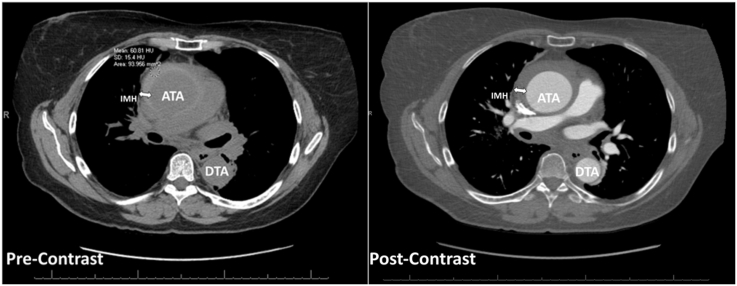 Figure 1
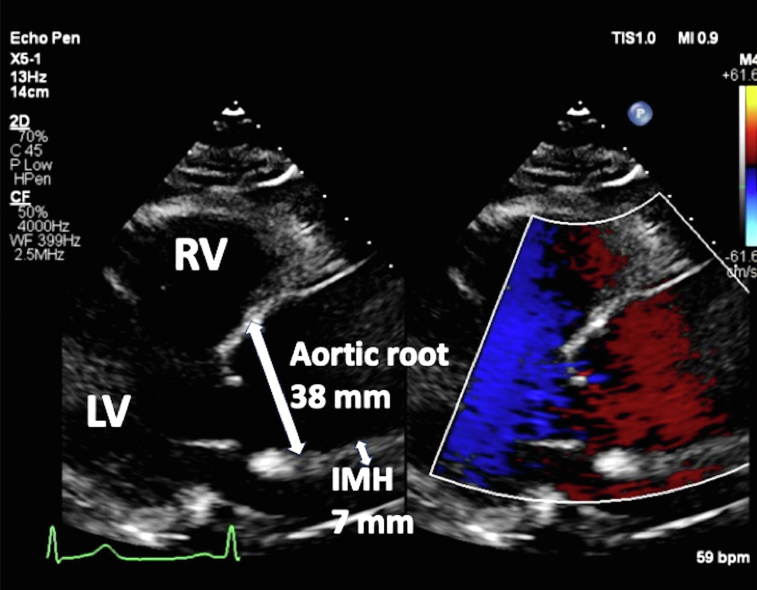 Figure 2
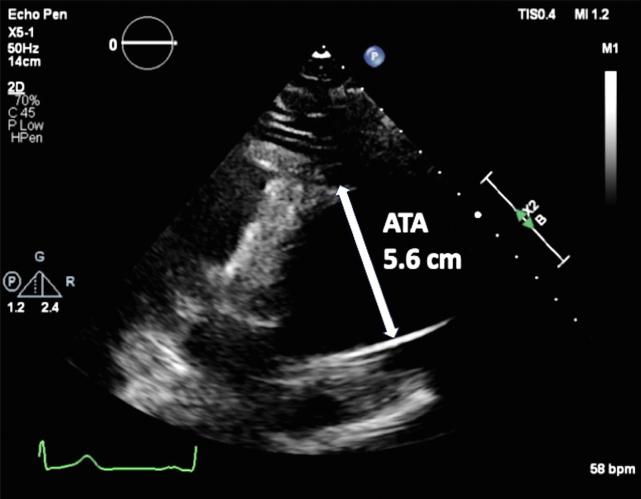 Figure 3
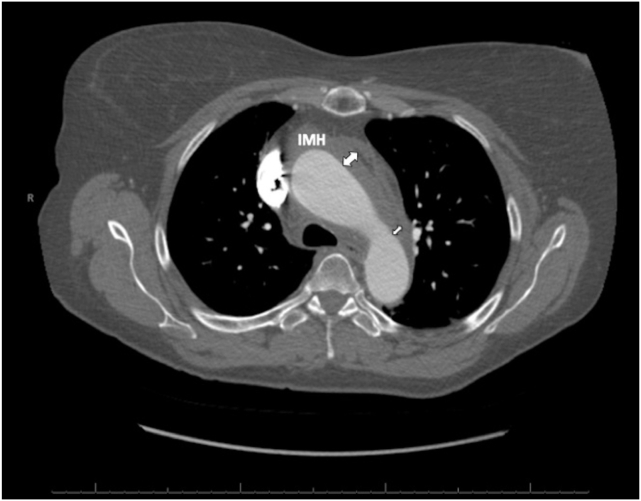 Figure 4
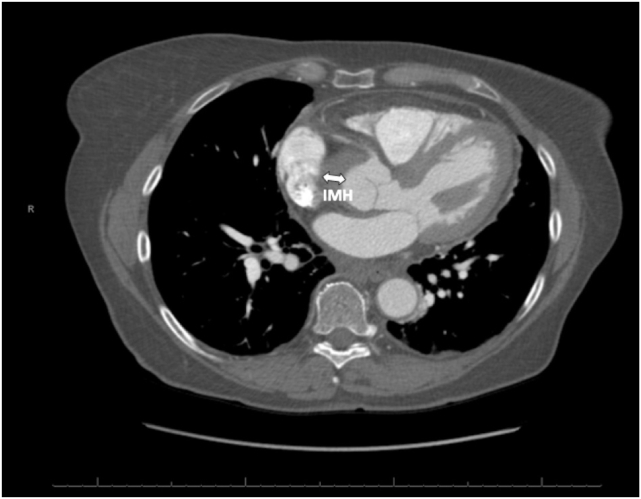 Figure 5
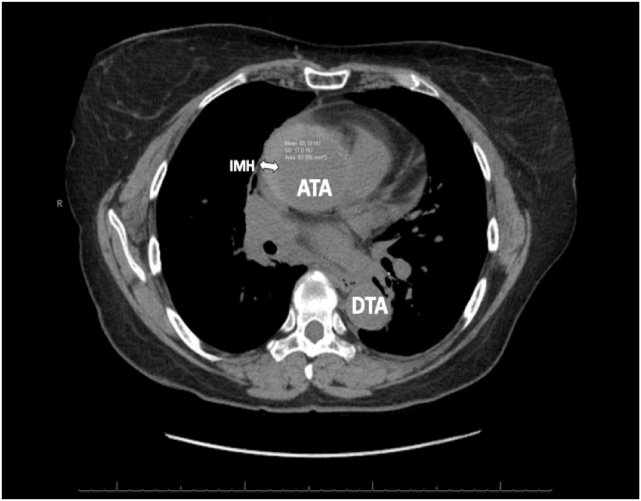 Figure 6
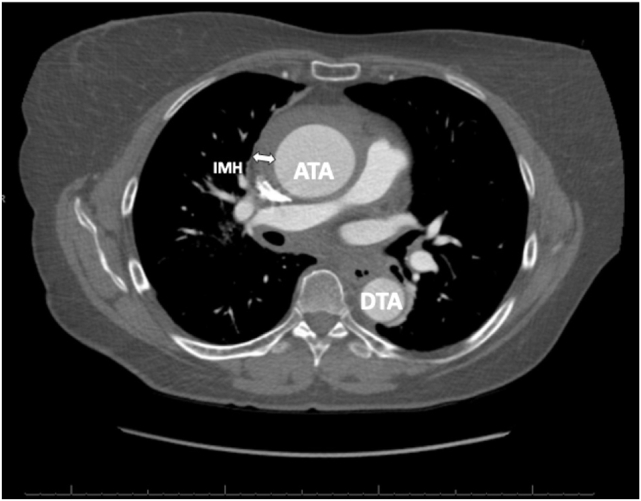 Figure 7
Peer Reviews
No public reviews on file for this paper yet. If you reviewed it on a platform where reviews are public (OpenReview, ICLR, NeurIPS, ICML), you can paste yours below so the community can read it here.
Videos
No videos yet. Explain this paper in a talk, walkthrough, or lecture? Add one.
Taxonomy
TopicsAortic Disease and Treatment Approaches · Aortic aneurysm repair treatments · Cardiac Valve Diseases and Treatments