A Rare Case of Platypnea-Orthodeoxia Syndrome in a Patient With Undiagnosed Atrial Septal Defect
Rei Sanai, Tetsuo Hirata, Toyoshi Yanagihara, Meimi Okamoto, Takato Ikeda, Yuki Shundo, Naoki Hamada, Noriyuki Ebi, Hiroyuki Inoue, Shin-ichiro Miura, Masaki Fujita

TL;DR
A 67-year-old man with undiagnosed heart defect experienced positional breathing issues, which were resolved after identifying and treating the condition.
Contribution
This case highlights the importance of considering POS in positional dyspnea and using positional echocardiography for diagnosis.
Findings
The patient's symptoms were caused by an undiagnosed atrial septal defect with a bidirectional shunt.
Percutaneous closure of the defect resolved the shunt and improved oxygen desaturation.
Diagnostic tests in different positions were crucial for identifying the underlying cause.
Abstract
Platypnea-orthodeoxia syndrome (POS) is a rare condition characterized by dyspnea and oxygen desaturation that worsens in the upright position and improves when lying down. We report the case of a 67-year-old male who presented with a 14-month history of dyspnea in the sitting/standing position. Despite treatment for suspected asthma, his symptoms persisted, and he was referred to our hospital for further evaluation. Physical examination and arterial blood gas analysis confirmed the presence of POS, with a significant decrease in PaO2 and SpO2 when moving from a supine to an upright position. Contrast-enhanced CT showed no obvious embolism nor arteriovenous fistula, and ventilation-perfusion scintigraphy demonstrated ventilation-perfusion mismatch with a right-to-left shunt fraction of 9.4%, without any focal defect. Transthoracic echocardiography with a microbubble test demonstrated a…
Genes, proteins, chemicals, diseases, species, mutations and cell lines named across the full text — each resolved to its canonical identifier and authoritative record.
Click any figure to enlarge with its caption.
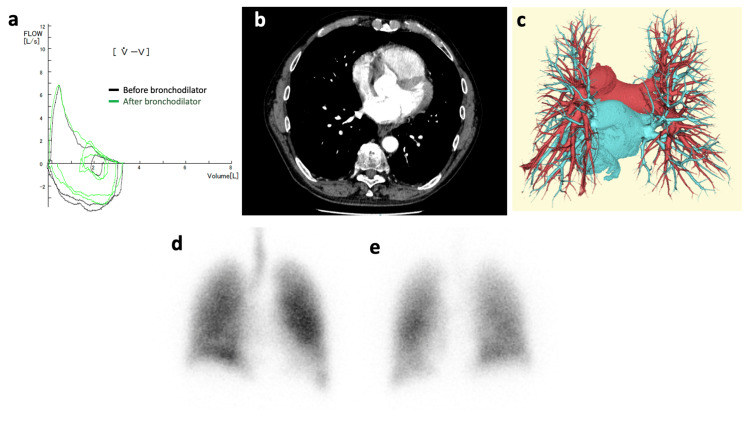 Figure 1
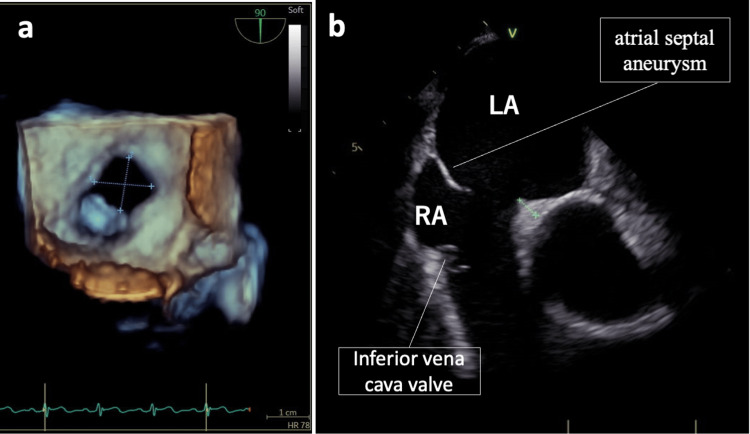 Figure 2
Peer Reviews
No public reviews on file for this paper yet. If you reviewed it on a platform where reviews are public (OpenReview, ICLR, NeurIPS, ICML), you can paste yours below so the community can read it here.
Videos
No videos yet. Explain this paper in a talk, walkthrough, or lecture? Add one.
Taxonomy
TopicsCardiovascular and Diving-Related Complications · Congenital Heart Disease Studies · Cardiovascular Effects of Exercise