Case Report: Longitudinal Evaluation and Treatment of a Melanoma-Associated Retinopathy Patient
Ryan Mosavi-Hecht, Paul Yang, Barrett Heyer, Christopher R. Rosenberg, Elizabeth White, Elizabeth G. Berry, Robert M. Duvoisin, Catherine W. Morgans

TL;DR
This case report tracks a patient with melanoma-associated retinopathy over time, revealing how autoantibodies affect vision and how treatment with corticosteroids can help.
Contribution
The study provides longitudinal insights into MAR pathogenesis and treatment response, showing corticosteroids can alleviate symptoms despite high autoantibody levels.
Findings
TRPM1 autoantibodies can impair vision even at low serum levels detectable by western blot and immunohistochemistry.
Intraocular dexamethasone treatment alleviates MAR symptoms despite high circulating TRPM1 autoantibody levels.
Elevated inflammatory cytokines may damage the blood-retinal barrier, allowing autoantibodies to enter the retina.
Abstract
Melanoma-associated retinopathy (MAR) is a paraneoplastic syndrome associated with cutaneous metastatic melanoma in which patients develop vision deficits that include reduced night vision, poor contrast sensitivity, and photopsia. MAR is caused by autoantibodies targeting TRPM1, an ion channel found in melanocytes and retinal ON-bipolar cells (ON-BCs). The visual symptoms arise when TRPM1 autoantibodies enter ON-BCs and block the function of TRPM1, thus detection of TRPM1 autoantibodies in patient serum is a key criterion in diagnosing MAR. Electroretinograms are used to measure the impact of TRPM1 autoantibodies on ON-BC function and represent another important diagnostic tool for MAR. To date, MAR case reports have included one or both diagnostic components, but only for a single time point in the course of a patient’s disease. Here, we report a case of MAR supported by longitudinal…
Genes, proteins, chemicals, diseases, species, mutations and cell lines named across the full text — each resolved to its canonical identifier and authoritative record.
Click any figure to enlarge with its caption.
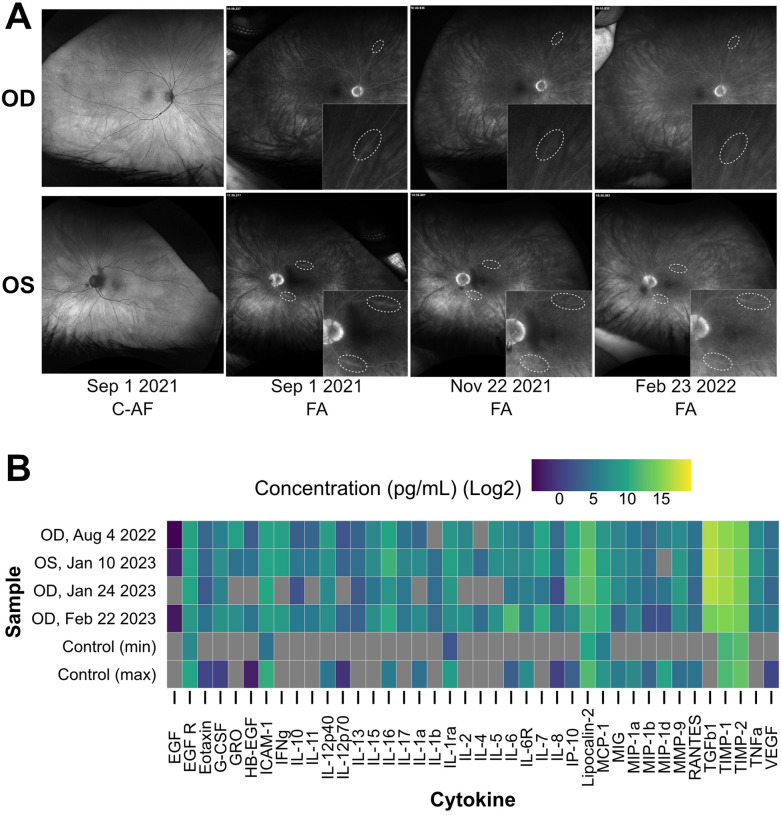 Figure 1
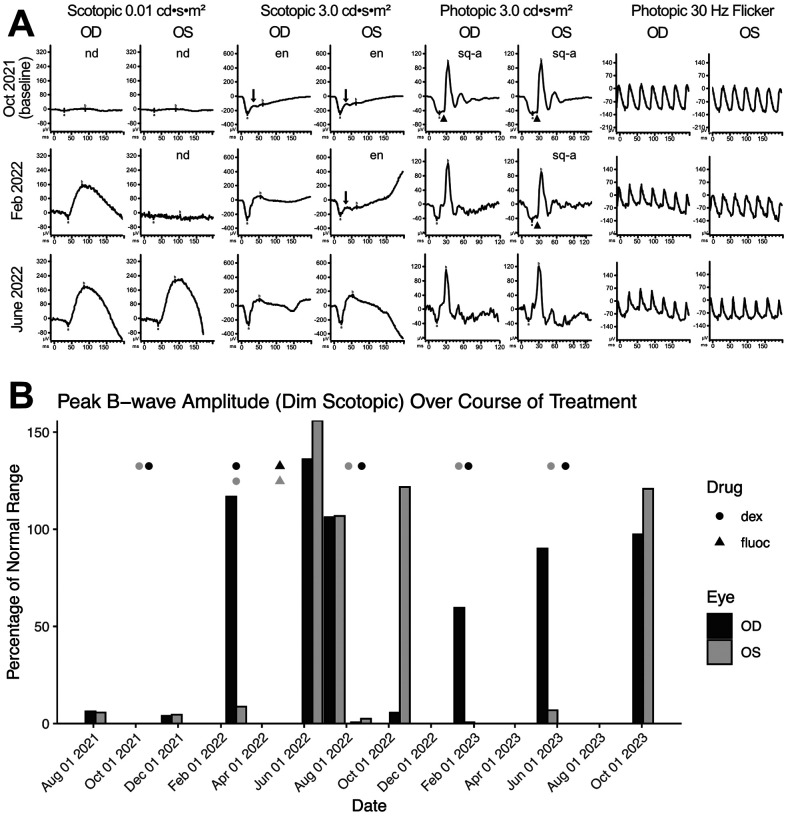 Figure 2
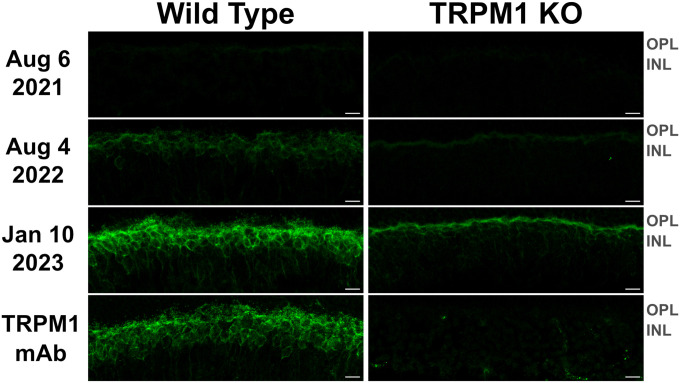 Figure 3
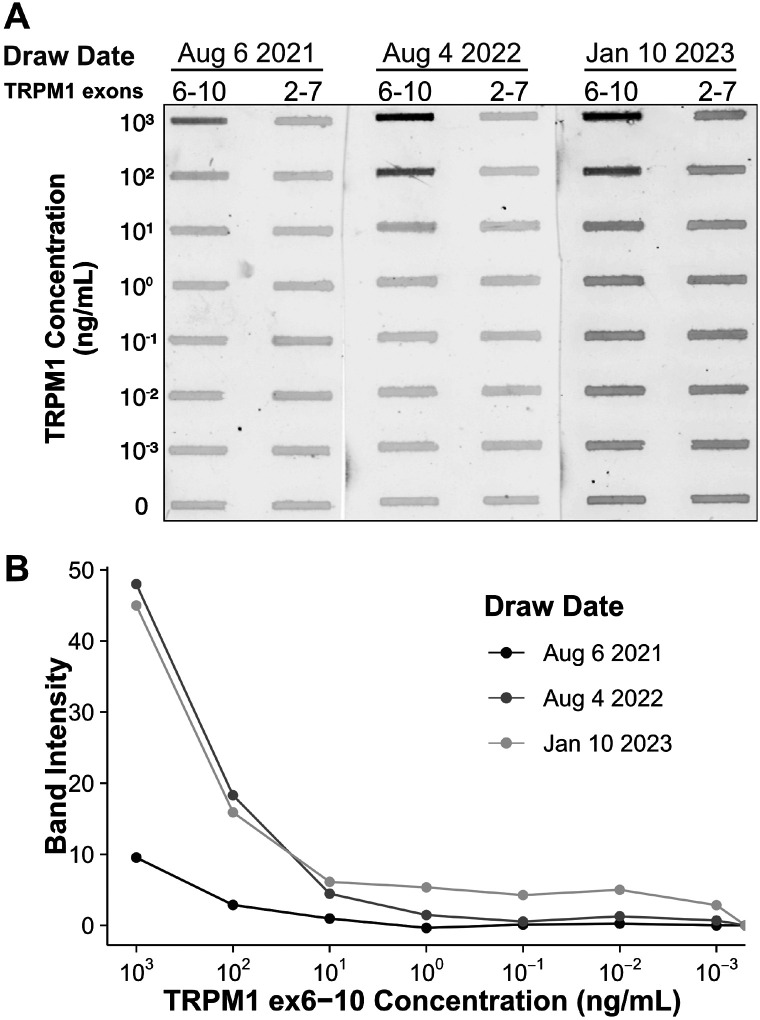 Figure 4
Peer Reviews
No public reviews on file for this paper yet. If you reviewed it on a platform where reviews are public (OpenReview, ICLR, NeurIPS, ICML), you can paste yours below so the community can read it here.
Videos
No videos yet. Explain this paper in a talk, walkthrough, or lecture? Add one.
Taxonomy
TopicsRetinal Development and Disorders · melanin and skin pigmentation · Autoimmune Neurological Disorders and Treatments