The CCL2-CCR4 Axis Promotes Regulatory T Cell Trafficking to Canine Glioma Tissues
WK. Panek, RG. Toedebusch, BE. Mclaughlin, PJ Dickinson, JE. Dyke, KD. Woolard, ME. Berens, MS. Lesniak, BK. Sturges, KM. Vernau, C. Li, JM. Miska, CM. Toedebusch

TL;DR
This study shows that the CCL2-CCR4 signaling pathway helps regulatory T cells move to canine glioma tumors, supporting their role in suppressing immune responses and promoting tumor growth.
Contribution
The study confirms the CCL2-CCR4 axis as a bidirectional mechanism in canine glioma, offering a translational model for human glioblastoma.
Findings
Canine Tregs express high levels of FOXP3 and CCR4, confirming their identity as regulatory T cells.
CCL2 enhances canine Treg migration, and blocking CCL2-CCR4 reduces this migration.
CCL2 expression in glioma cells increases when exposed to Tregs, suggesting a feedback loop.
Abstract
Spontaneously occurring glioma in pet dogs is increasingly recognized as a valuable translational model for human glioblastoma. Canine high grade glioma and human glioblastomas share many molecular similarities, including accumulation of immunosuppressive regulatory T cells (Tregs) that inhibit anti-tumor immune responses. Identifying in dog mechanisms responsible for Treg recruitment may afford targeting the cellular population driving immunosuppression, the results providing a rationale for translational clinical studies in human patients. Our group has previously identified C-C motif chemokine 2 (CCL2) as a glioma-derived T-reg chemoattractant acting on chemokine receptor 4 (CCR4) in a murine orthotopic model of glioma. Recently, we demonstrated a robust increase of CCL2 in the brain tissue of canine patients bearing high-grade glioma. We performed a series of in vitro experiments…
Genes, proteins, chemicals, diseases, species, mutations and cell lines named across the full text — each resolved to its canonical identifier and authoritative record.
Click any figure to enlarge with its caption.
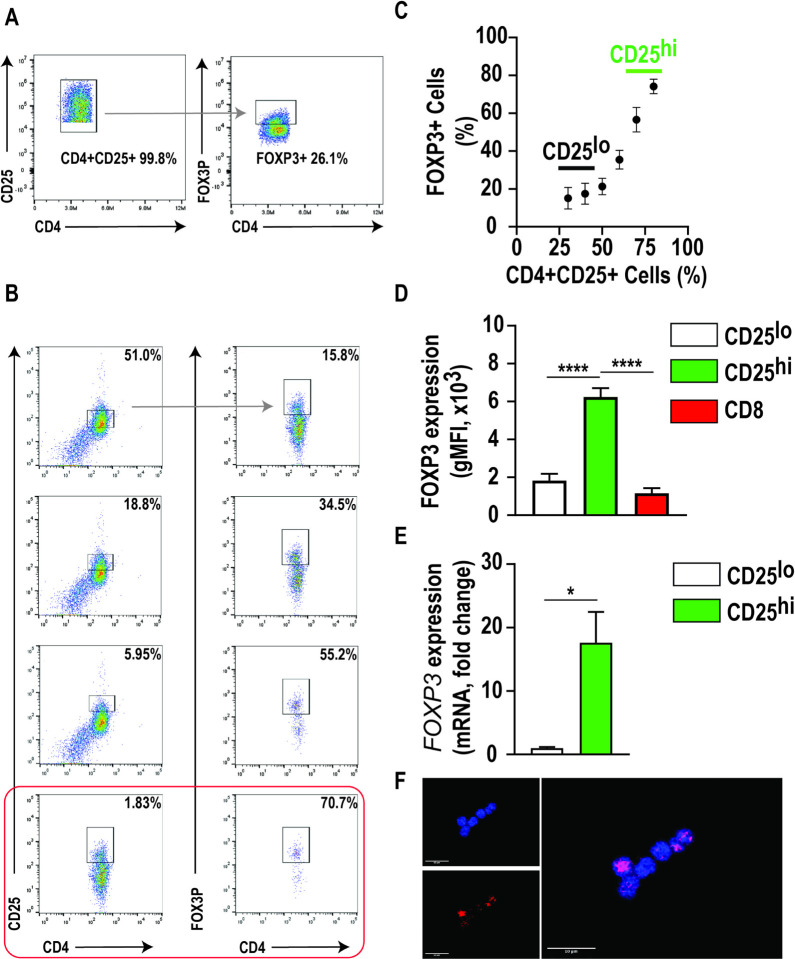 Figure 1
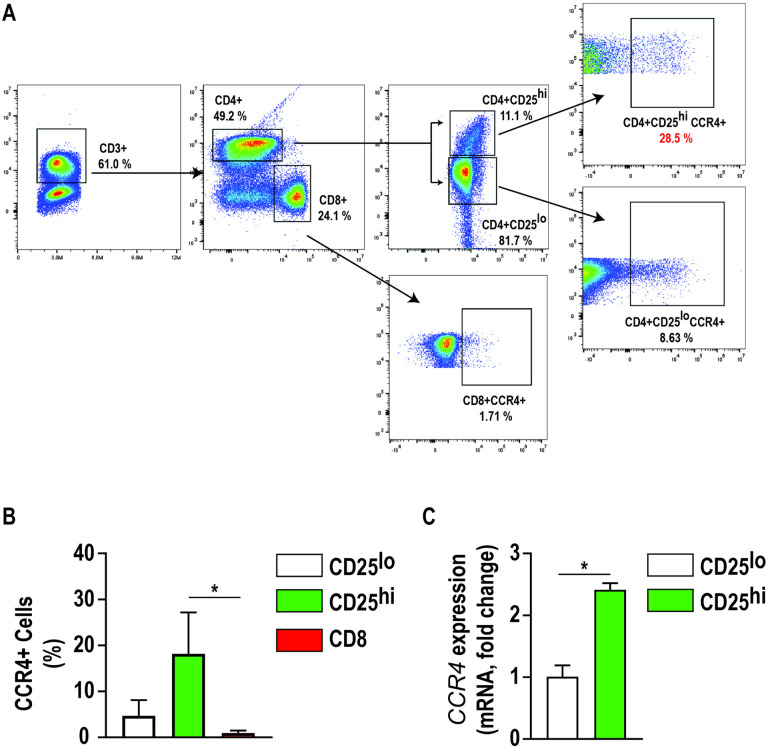 Figure 2
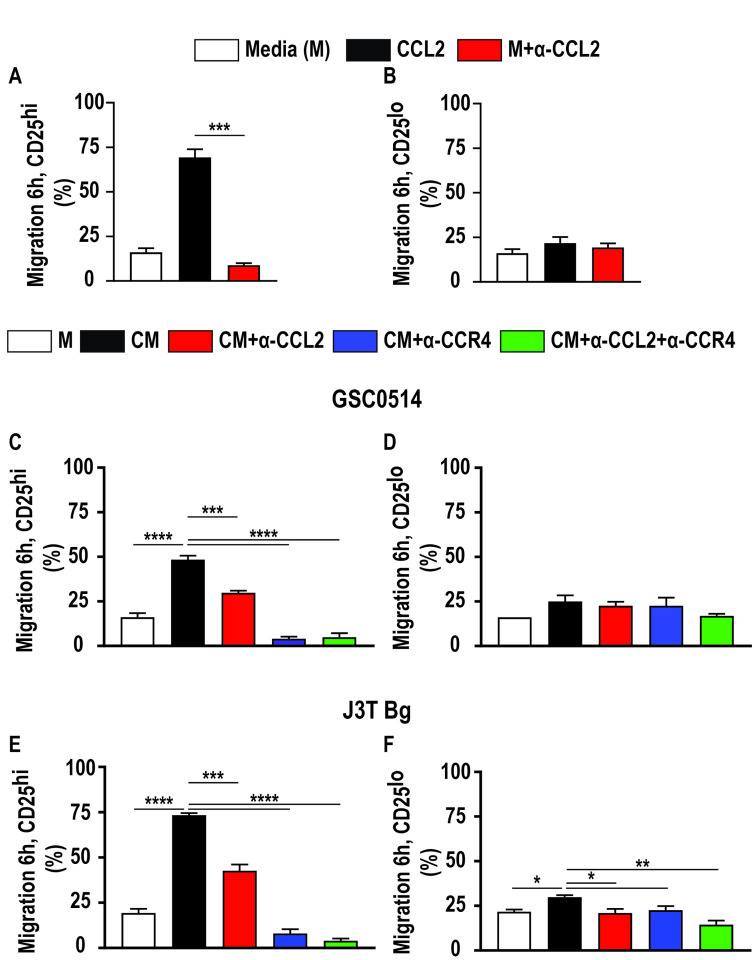 Figure 3
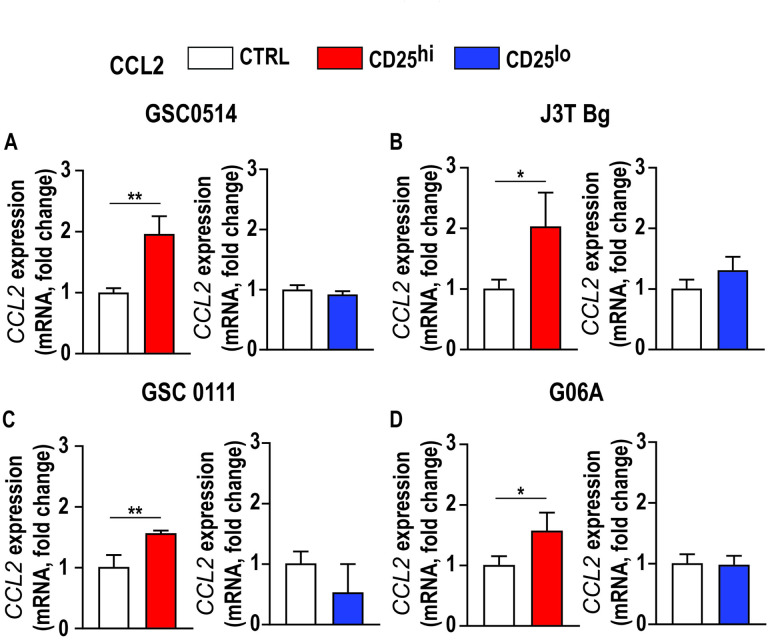 Figure 4
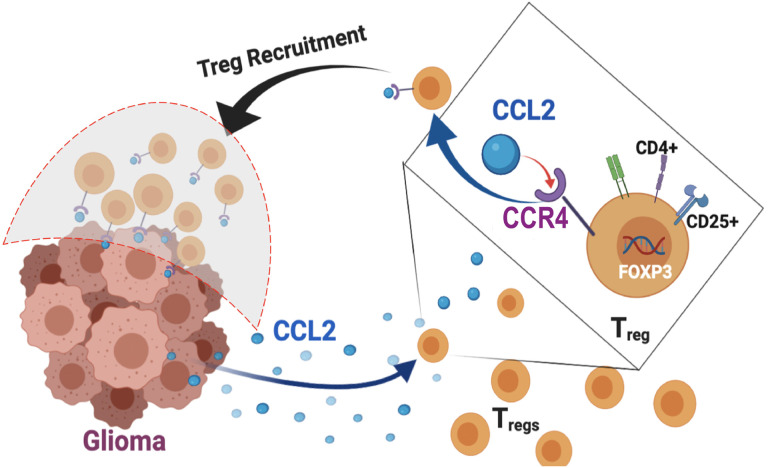 Figure 5
Peer Reviews
No public reviews on file for this paper yet. If you reviewed it on a platform where reviews are public (OpenReview, ICLR, NeurIPS, ICML), you can paste yours below so the community can read it here.
Videos
No videos yet. Explain this paper in a talk, walkthrough, or lecture? Add one.
Taxonomy
TopicsVirus-based gene therapy research · Immune cells in cancer · Chemokine receptors and signaling