Characterization of the family-level Borreliaceae pan-genome and development of an episomal typing protocol
Kayla M. Socarras, Mary C. Marino, Joshua P. Earl, Rachel L. Ehrlich, Nicholas A. Cramer, Joshua C. Mell, Bhaswati Sen, Azad Ahmed, Richard T. Marconi, Garth D. Ehrlich

TL;DR
This study analyzes the Borreliaceae family's genetic diversity and proposes a new classification, aiding in better diagnostics for diseases like Lyme.
Contribution
The paper introduces a family-level Borreliaceae pangenome and a new molecular typing method for improved diagnostics.
Findings
The Borreliaceae family should be split into at least two genera based on pangenome analysis.
Gene content profiles enable unambiguous molecular typing of Borreliaceae replicons.
The pangenome provides targets for precision diagnostics and interventions.
Abstract
The Borreliaceae family includes many obligate parasitic bacterial species which are etiologically associated with a myriad of zoonotic borrelioses including Lyme disease and vector-borne relapsing fevers. Infections by the Borreliaceae are difficult to detect by both direct and indirect methods, often leading to delayed and missed diagnoses. Efforts to improve diagnoses center around the development of molecular diagnostics (MDx), but due to deep tissue sequestration of the causative spirochaetes and the lack of persistent bacteremias, even MDx assays suffer from a lack of sensitivity. Additionally, the highly extensive genomic heterogeneity among isolates, even within the same species, contributes to the lack of assay sensitivity as single target assays cannot provide universal coverage. This within-species heterogeneity is partly due to differences in replicon repertoires and genomic…
Genes, proteins, chemicals, diseases, species, mutations and cell lines named across the full text — each resolved to its canonical identifier and authoritative record.
Click any figure to enlarge with its caption.
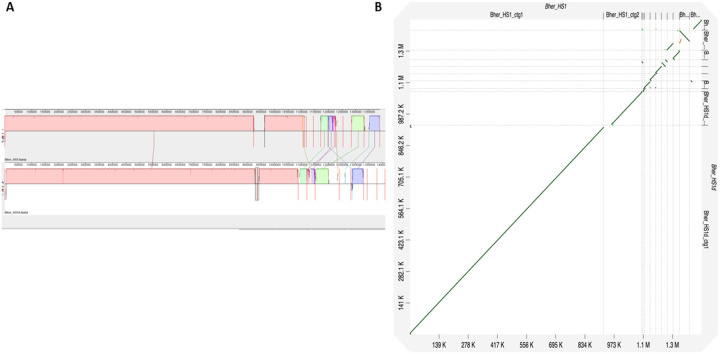 Figure 1
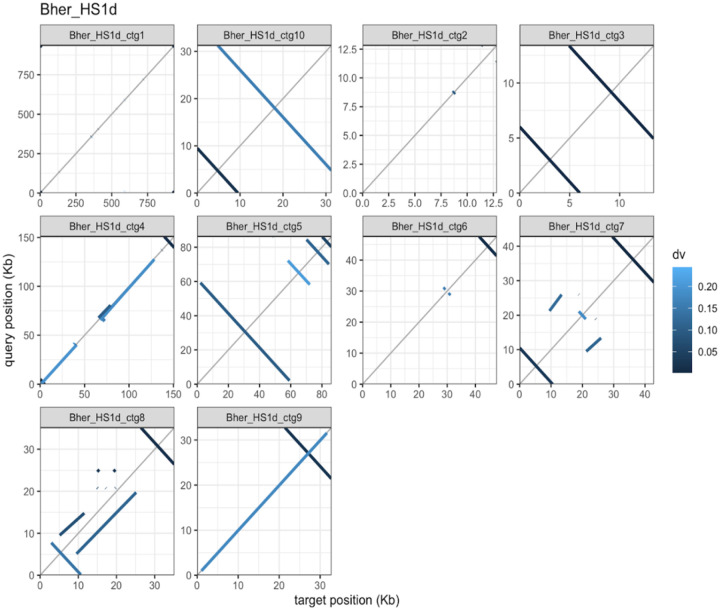 Figure 2
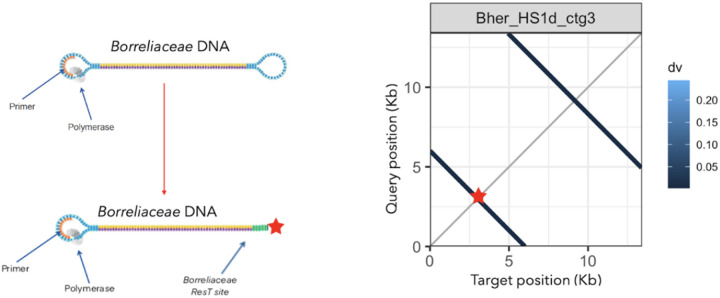 Figure 3
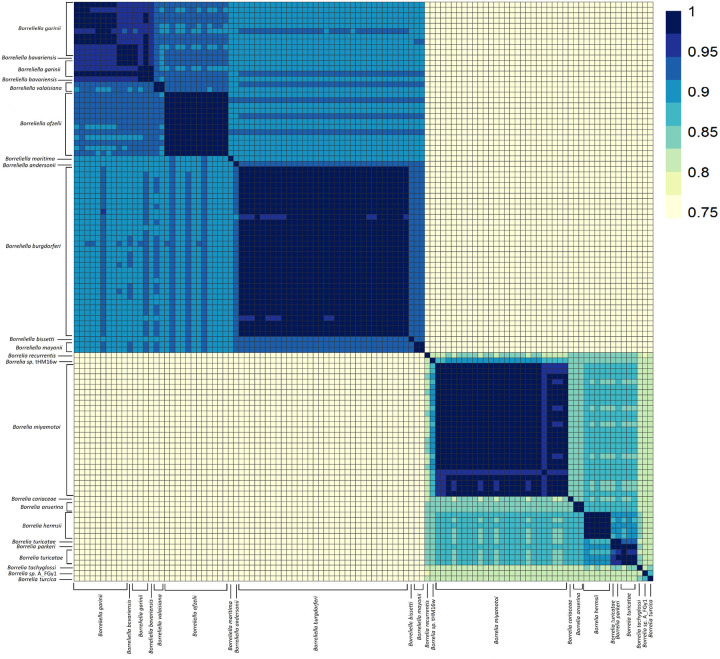 Figure 4
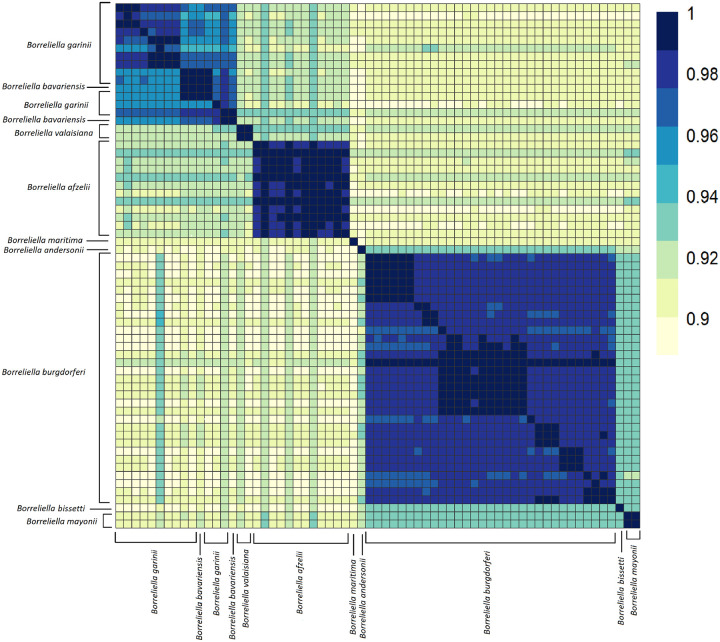 Figure 5
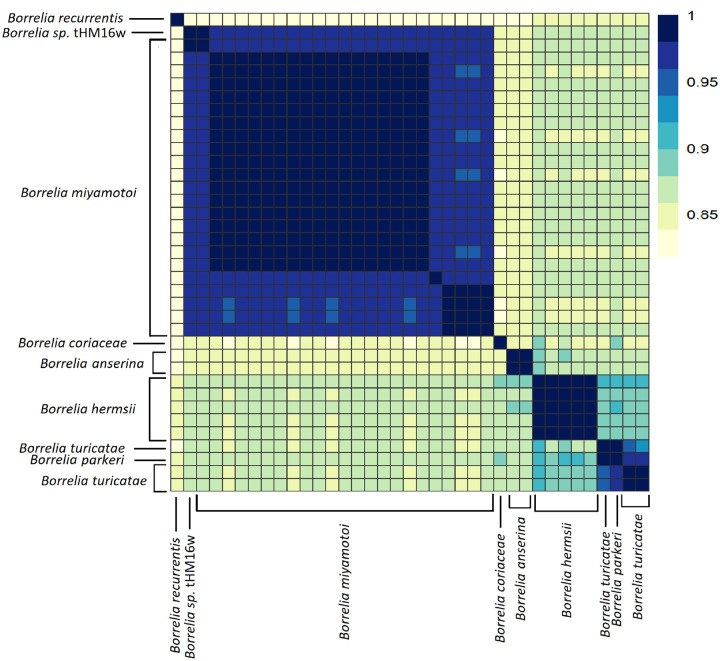 Figure 6
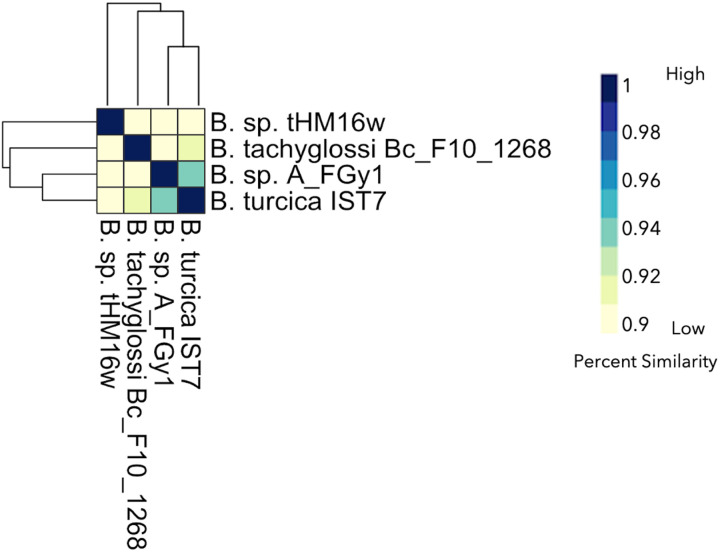 Figure 7
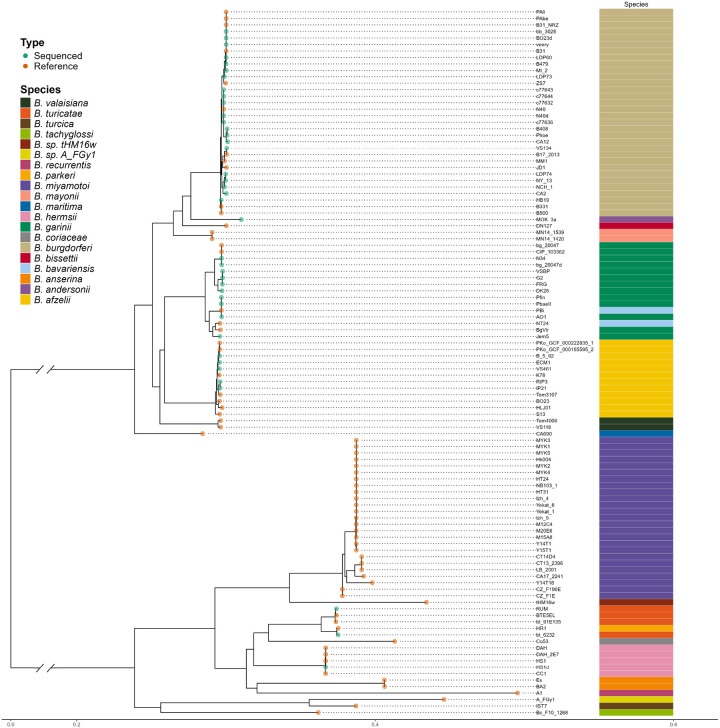 Figure 8
 Figure 9
 Figure 10
 Figure 11
 Figure 12
Peer Reviews
No public reviews on file for this paper yet. If you reviewed it on a platform where reviews are public (OpenReview, ICLR, NeurIPS, ICML), you can paste yours below so the community can read it here.
Videos
No videos yet. Explain this paper in a talk, walkthrough, or lecture? Add one.
Taxonomy
TopicsVector-borne infectious diseases · Viral Infections and Vectors · Mosquito-borne diseases and control