Complement Membrane Attack Complexes Disrupt Proteostasis to Function as Intracellular Alarmins
Dan Jane-wit, Guiyu Song, Liying He, Quan Jiang, Mahsa Barkestani, Shaoxun Wang, Qianxun Wang, Pengwei Ren, Matthew Fan, Justin Johnson, Clancy Mullan

TL;DR
This study reveals that membrane attack complexes (MACs) can disrupt protein balance inside cells, leading to inflammation and tissue damage.
Contribution
The novel finding is that MACs, particularly C9, form aggregates that act as intracellular alarmins, triggering inflammation via proteostasis disruption.
Findings
C9 aggregates in Rab5+ endosomes trigger aggrephagy and NF-kB activation.
ZFYVE21 links LC3A/B to RNF34-P62 complexes to mediate C9 aggrephagy.
Mice lacking ZFYVE21 in endothelial cells show reduced MAC-induced tissue injury.
Abstract
Internalized pools of membrane attack complexes (MACs) promote NF-kB and dysregulated tissue inflammation. Here, we show that C9, a MAC-associated protein, promotes loss of proteostasis to become intrinsically immunogenic. Surface-bound C9 is internalized into Rab5 + endosomes whose intraluminal acidification promotes C9 aggregates. A region within the MACPF/CDC domain of C9 stimulates aggrephagy to induce NF-kB, inflammatory genes, and EC activation. This process requires ZFYVE21, a Rab5 effector, which links LC3A/B on aggresome membranes to RNF34-P62 complexes to mediate C9 aggrephagy. C9 aggregates form in human tissues, C9-associated signaling responses occur in three mouse models, and ZFYVE21 stabilizes RNF34 to promote C9 aggrephagy in vivo. Gene-deficient mice lacking ZFYVE21 in ECs showed reduced MAC-induced tissue injury in a skin model of chronic rejection. While classically…
Genes, proteins, chemicals, diseases, species, mutations and cell lines named across the full text — each resolved to its canonical identifier and authoritative record.
Click any figure to enlarge with its caption.
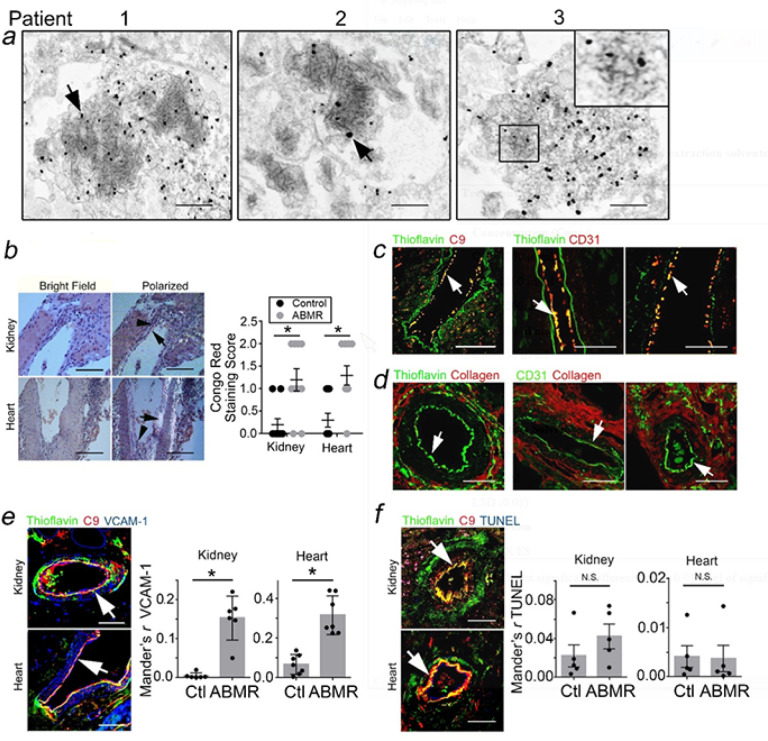 Figure 1
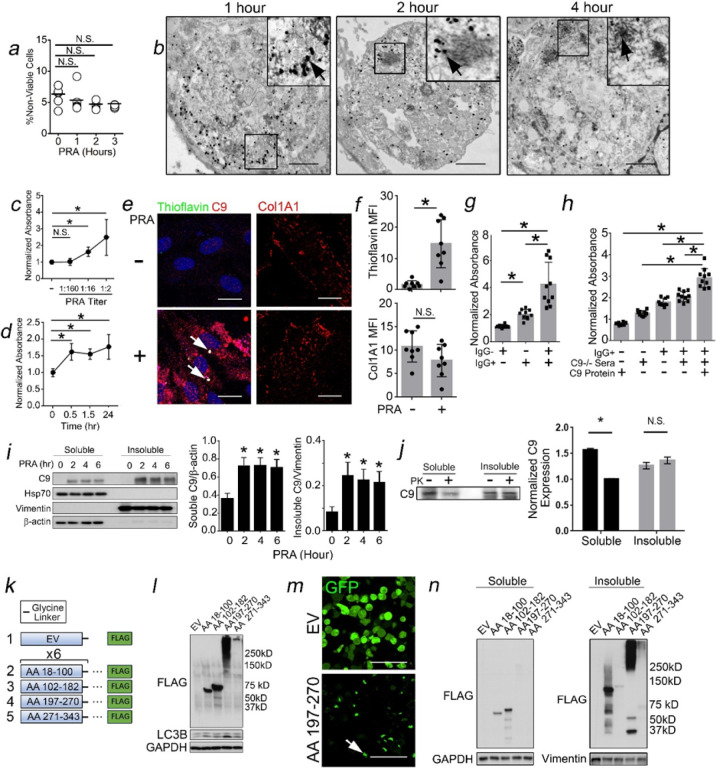 Figure 2
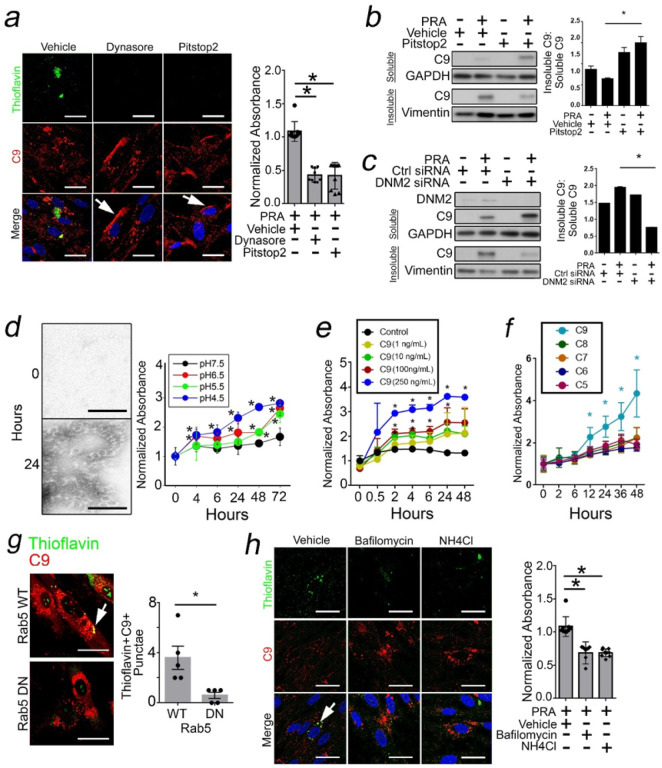 Figure 3
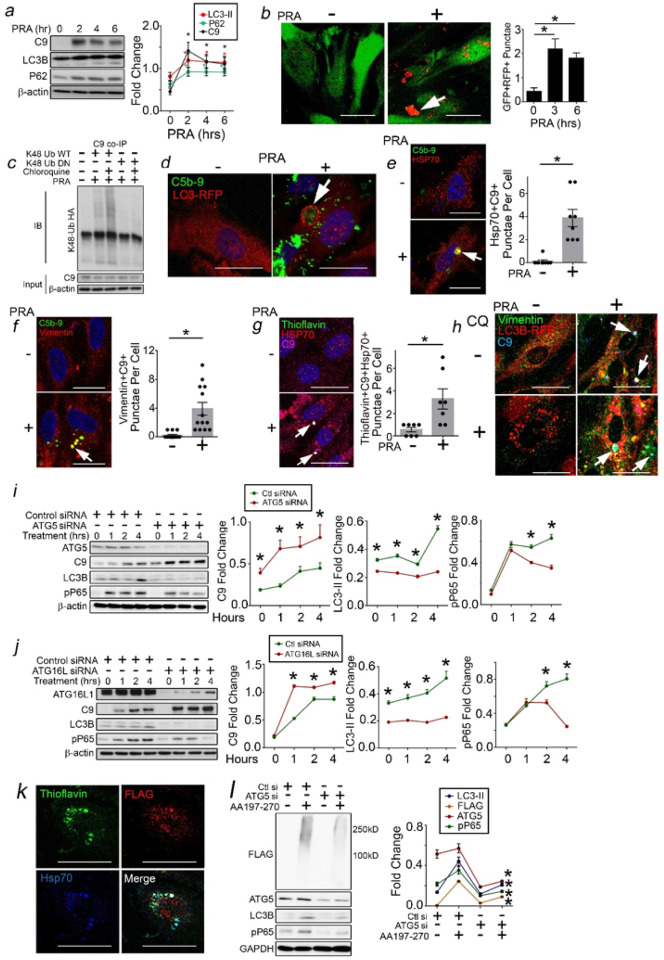 Figure 4
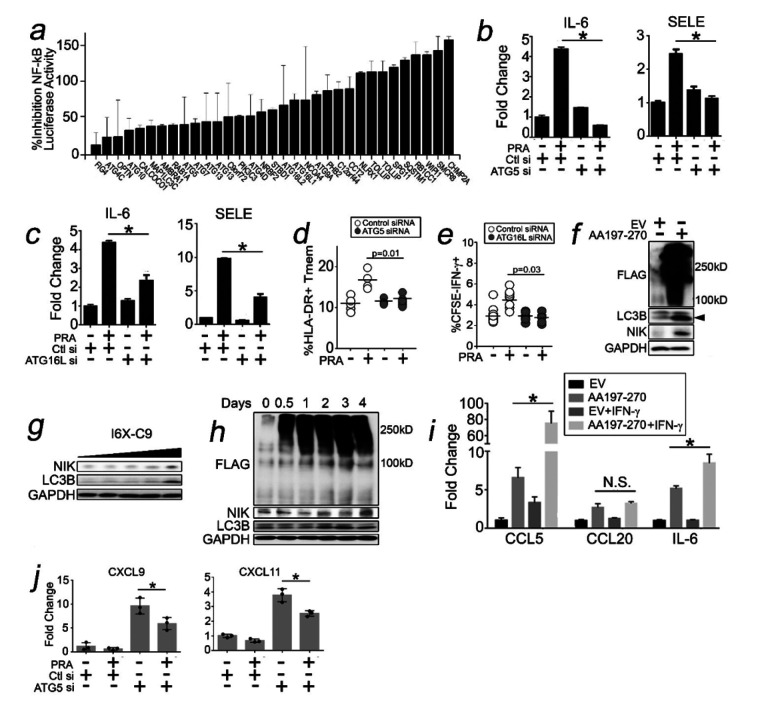 Figure 5
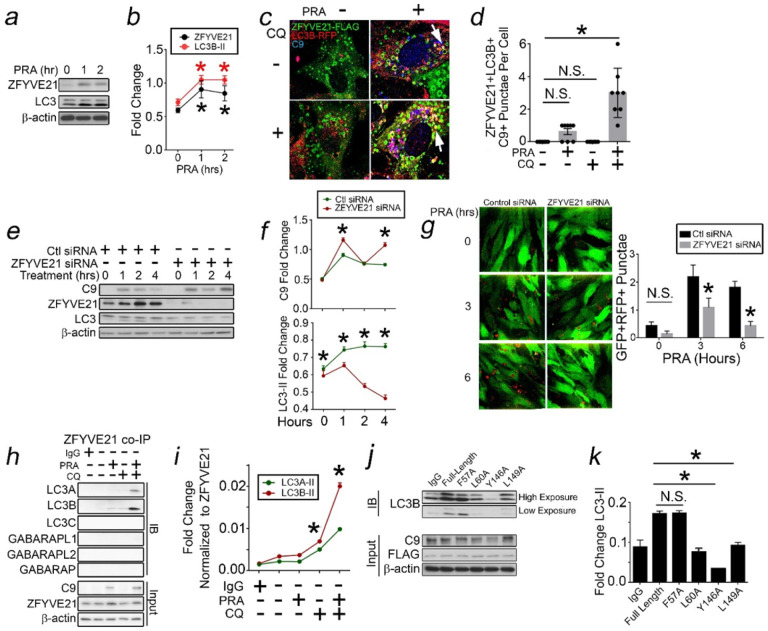 Figure 6
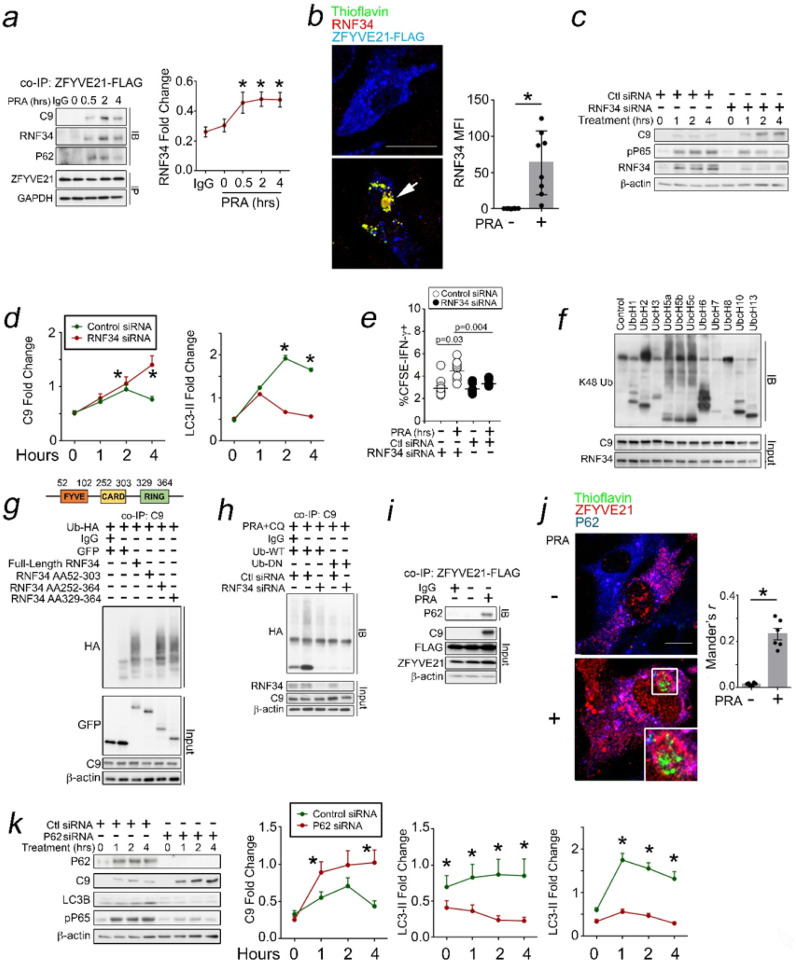 Figure 7
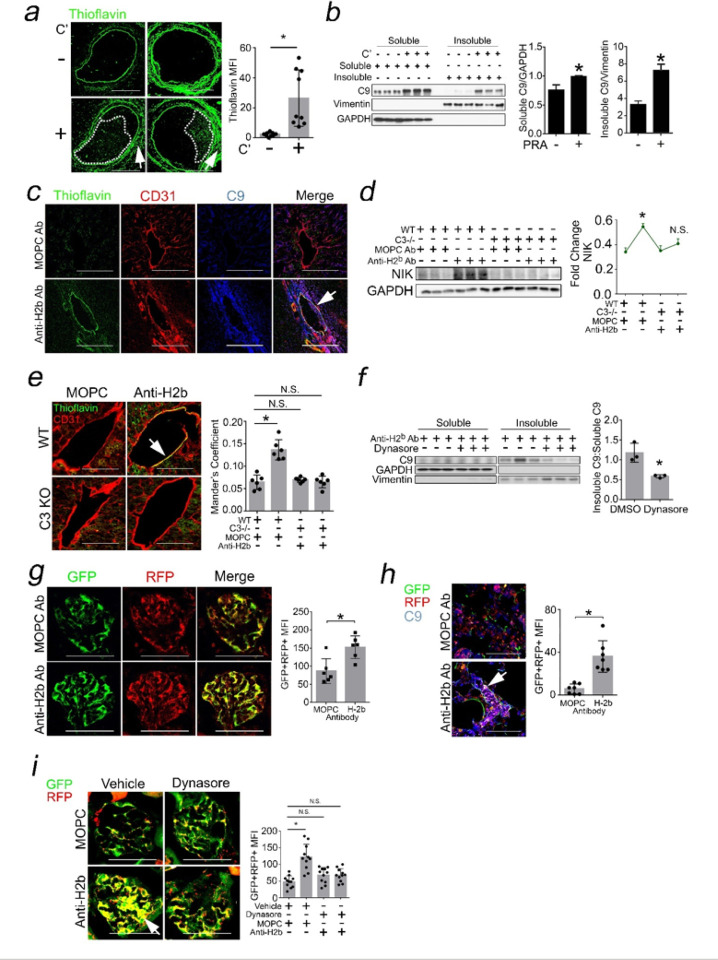 Figure 8
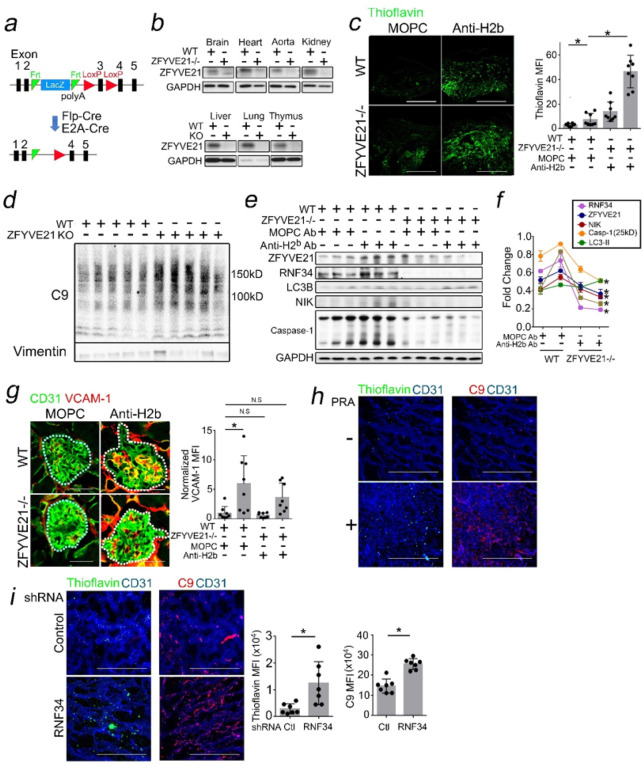 Figure 9
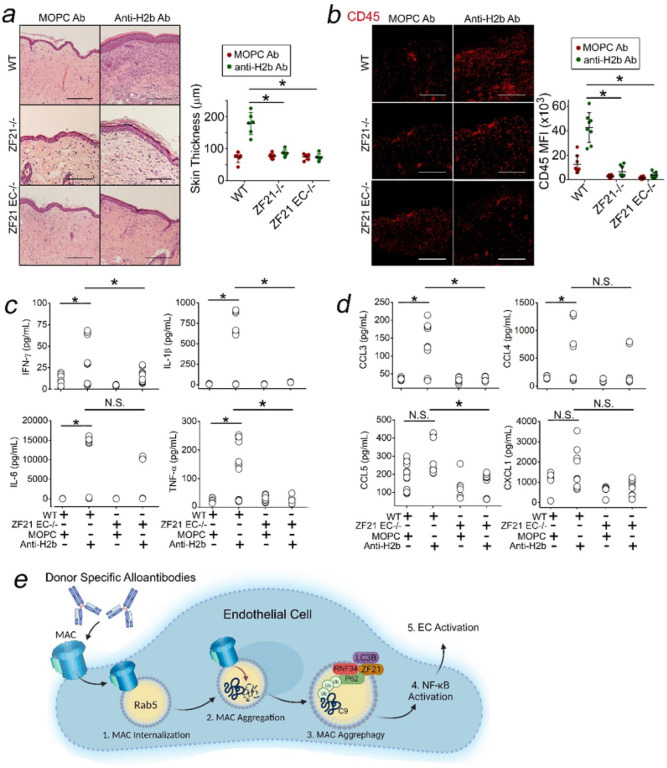 Figure 10
Peer Reviews
No public reviews on file for this paper yet. If you reviewed it on a platform where reviews are public (OpenReview, ICLR, NeurIPS, ICML), you can paste yours below so the community can read it here.
Videos
No videos yet. Explain this paper in a talk, walkthrough, or lecture? Add one.
Taxonomy
TopicsWireless Communication Networks Research · Advanced Wireless Network Optimization · Advanced Wireless Communication Techniques