Anti-tumor Effects of the eIF4A Inhibitor Didesmethylrocaglamide and Its Derivatives in Human and Canine Osteosarcomas
Janet Oblinger, Jack Wang, Georgia Wetherell, Garima Agarwal, Tyler Wilson, Nicole Benson, Joelle Fenger, James Fuchs, A Douglas Kinghorn, Long Chang

TL;DR
This study shows that eIF4A inhibitors like DDR and its derivatives can effectively slow the growth of human and canine osteosarcomas by targeting multiple cancer-related pathways.
Contribution
The study identifies the importance of (−)-chirality in DDR and demonstrates the anti-tumor effects of eIF4A inhibitors in both human and canine osteosarcomas.
Findings
DDR and its derivatives inhibit osteosarcoma cell growth by reducing eIF4A1/2 levels and inducing apoptosis.
Phosphorylated p38 levels increase in treated cells, indicating activation of stress response pathways.
DDR and Roc potently suppress tumor growth in a canine osteosarcoma xenograft model.
Abstract
Inhibition of translation initiation using eIF4A inhibitors like (−)-didesmethylrocaglamide [(−)-DDR] and (−)-rocaglamide [(−)-Roc] is a potential cancer treatment strategy as they simultaneously diminish multiple oncogenic drivers. We showed that human and dog osteosarcoma cells expressed high levels of eIF4A1/2, particularly eIF4A2. Genetic depletion of eIF4A1 and/or 2 slowed osteosarcoma cell growth. To advance preclinical development of eIF4A inhibitors, we demonstrated the importance of (−)-chirality in DDR for growth-inhibitory activity. Bromination of DDR at carbon-5 abolished growth-inhibitory activity, while acetylating DDR at carbon-1 was tolerated. Like DDR and Roc, DDR-acetate increased the γH2A.X levels and induced G2/M arrest and apoptosis. Consistent with translation inhibition, these rocaglates decreased the levels of several mitogenic kinases, the STAT3 transcription…
Genes, proteins, chemicals, diseases, species, mutations and cell lines named across the full text — each resolved to its canonical identifier and authoritative record.
Click any figure to enlarge with its caption.
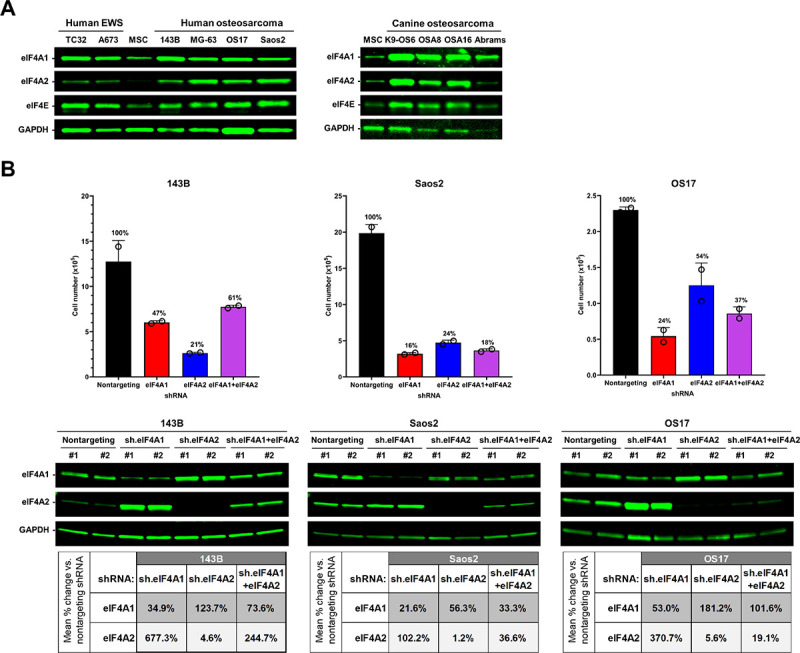 Figure 1
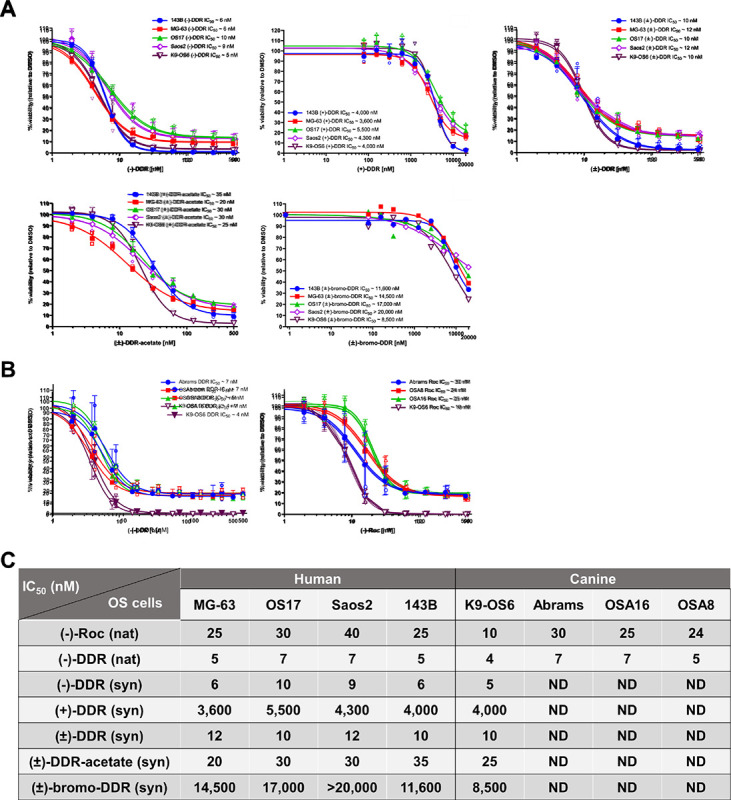 Figure 2
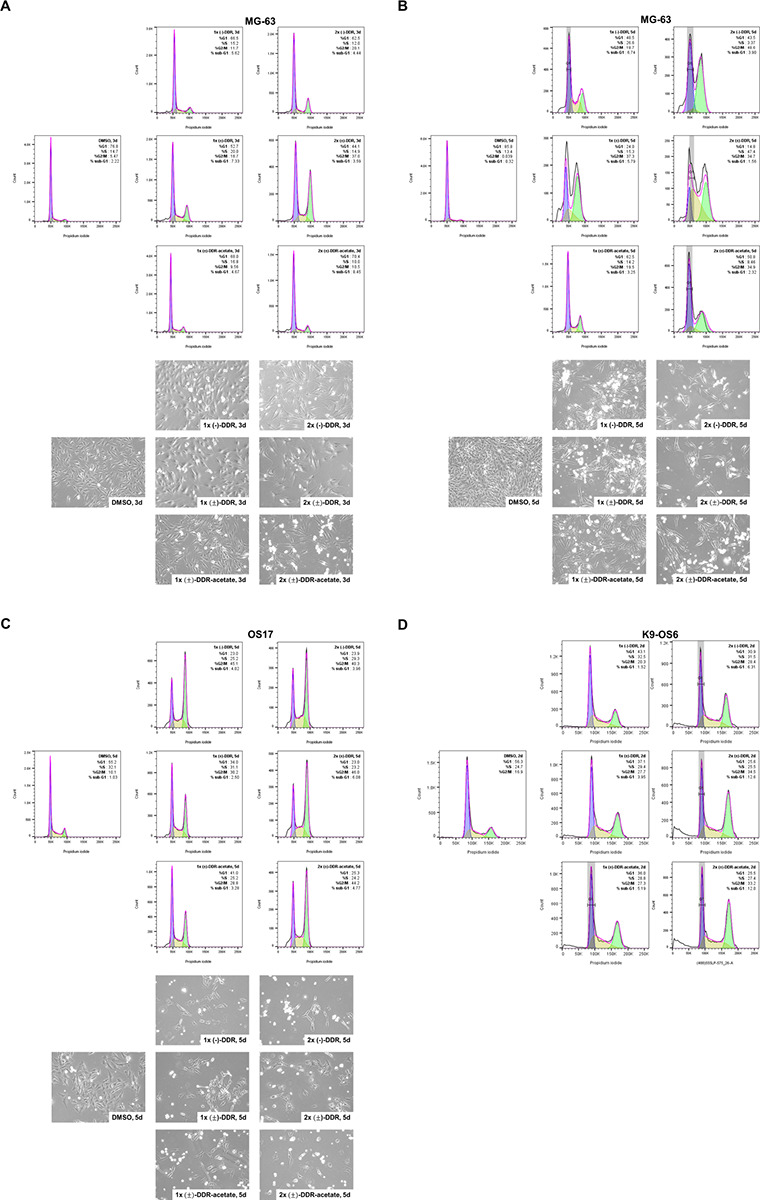 Figure 3
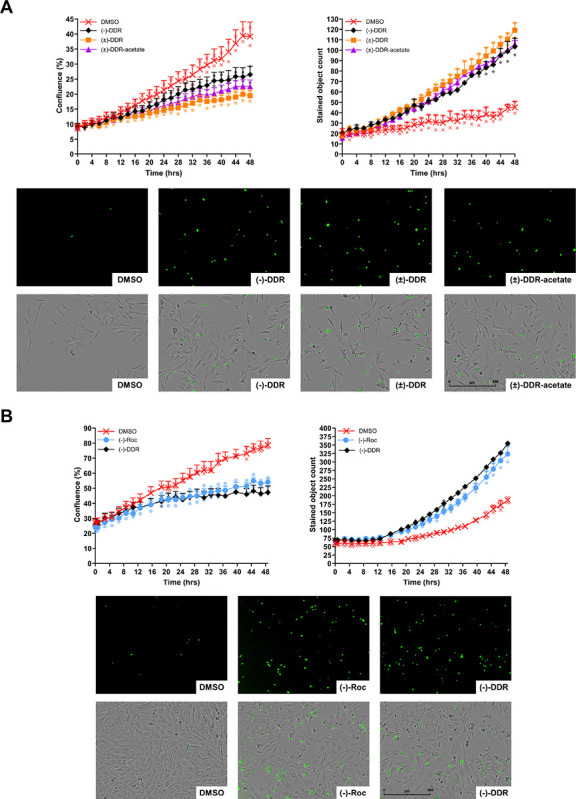 Figure 4
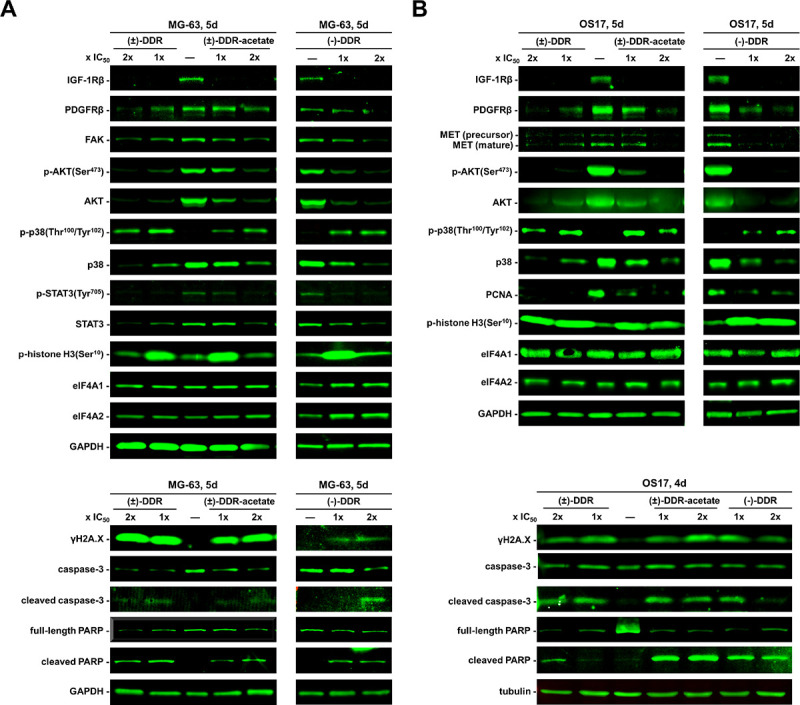 Figure 5
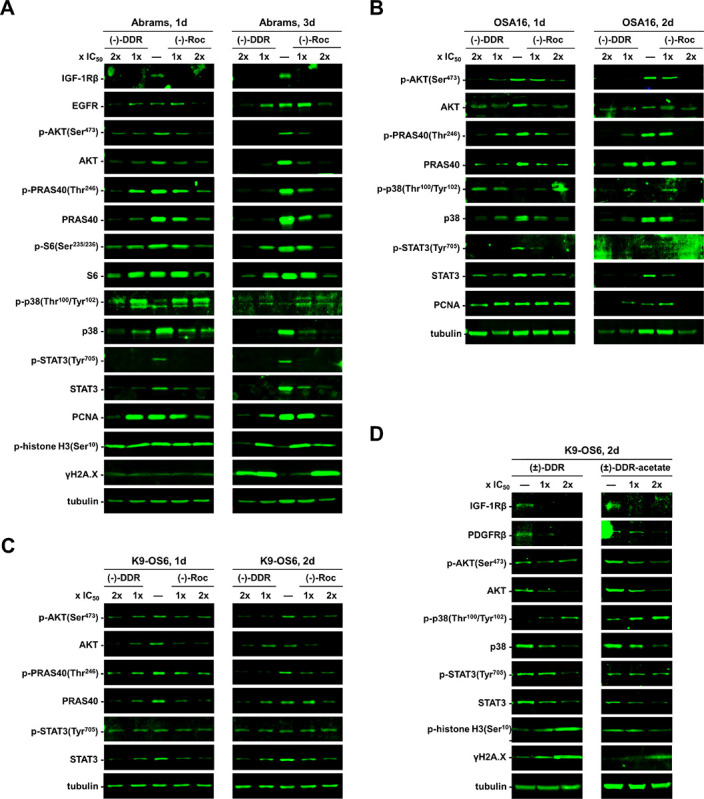 Figure 6
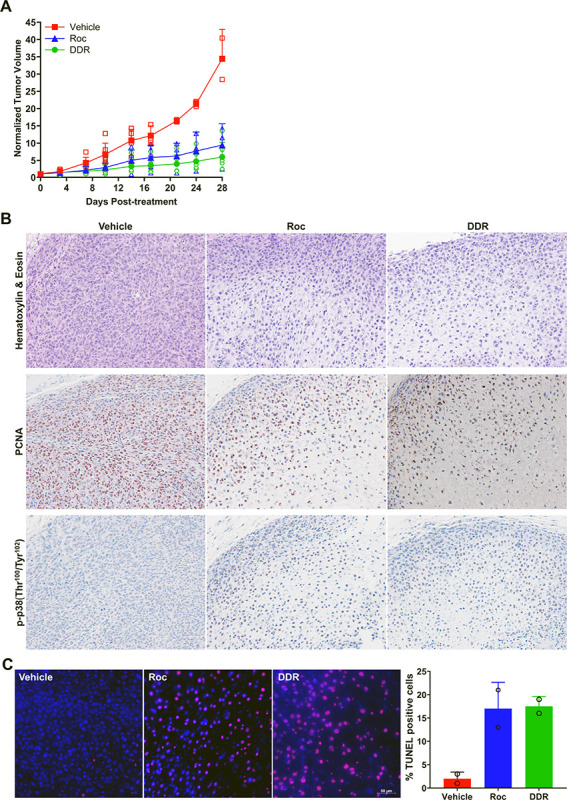 Figure 7
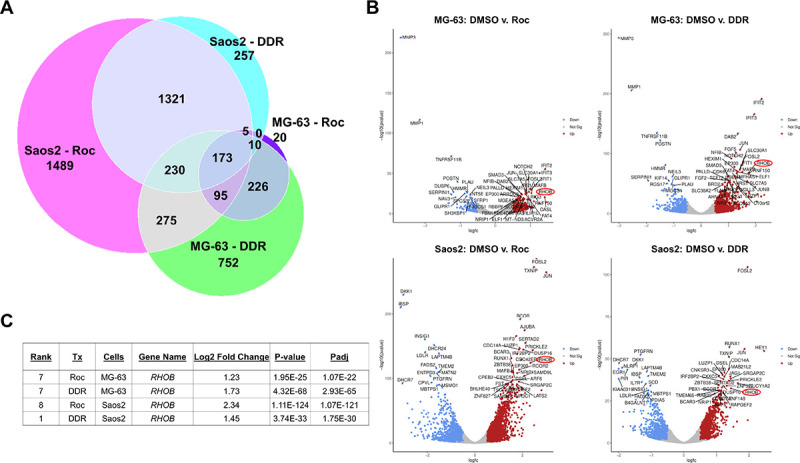 Figure 8
Peer Reviews
No public reviews on file for this paper yet. If you reviewed it on a platform where reviews are public (OpenReview, ICLR, NeurIPS, ICML), you can paste yours below so the community can read it here.
Videos
No videos yet. Explain this paper in a talk, walkthrough, or lecture? Add one.
Taxonomy
TopicsUbiquitin and proteasome pathways · Cancer Mechanisms and Therapy · Virus-based gene therapy research