Virus-like particle (VLP)-based vaccine targeting tau phosphorylated at Ser396/Ser404 (PHF1) site outperforms phosphorylated S199/S202 (AT8) site in reducing tau pathology and restoring cognitive deficits in the rTg4510 mouse model of tauopathy
Jonathan Hulse, Nicole Maphis, Julianne Peabody, Bryce Chackerian, Kiran Bhaskar

TL;DR
A vaccine targeting a specific phosphorylated tau site (PHF1) was more effective than another in reducing brain pathology and improving memory in a mouse model of tau-related dementia.
Contribution
A novel VLP-based vaccine targeting tau phosphorylated at Ser396/Ser404 (PHF1) was shown to be more effective than one targeting Ser199/Ser202 (AT8) in reducing tau pathology and cognitive deficits.
Findings
Qβ-PHF1 vaccine rescued cognitive deficits and reduced pathological tau and microgliosis in a mouse model of tauopathy.
Antibodies from Qβ-PHF1 vaccinated mice reacted to tau pathology in human Alzheimer's brain tissue.
Both Qβ-AT8 and Qβ-PHF1 vaccines induced high-titer antibody responses against their respective pTau epitopes.
Abstract
Tauopathies, including Alzheimer’s disease (AD) and Frontotemporal Dementia (FTD), are histopathologically defined by the aggregation of hyperphosphorylated pathological tau (pTau) as neurofibrillary tangles in the brain. Site-specific phosphorylation of tau occurs early in the disease process and correlates with progressive cognitive decline, thus serving as targetable pathological epitopes for immunotherapeutic development. Previously, we developed a vaccine (Qβ-pT181) displaying phosphorylated Thr181 tau peptides on the surface of a Qβ bacteriophage virus-like particle (VLP) that induced robust antibody responses, cleared pathological tau, and rescued memory deficits in a transgenic mouse model of tauopathy. Here we report the characterization and comparison of two additional Qβ VLP-based vaccines targeting the dual phosphorylation sites Ser199/Ser202 (Qβ-AT8) and Ser396/Ser404…
Genes, proteins, chemicals, diseases, species, mutations and cell lines named across the full text — each resolved to its canonical identifier and authoritative record.
Click any figure to enlarge with its caption.
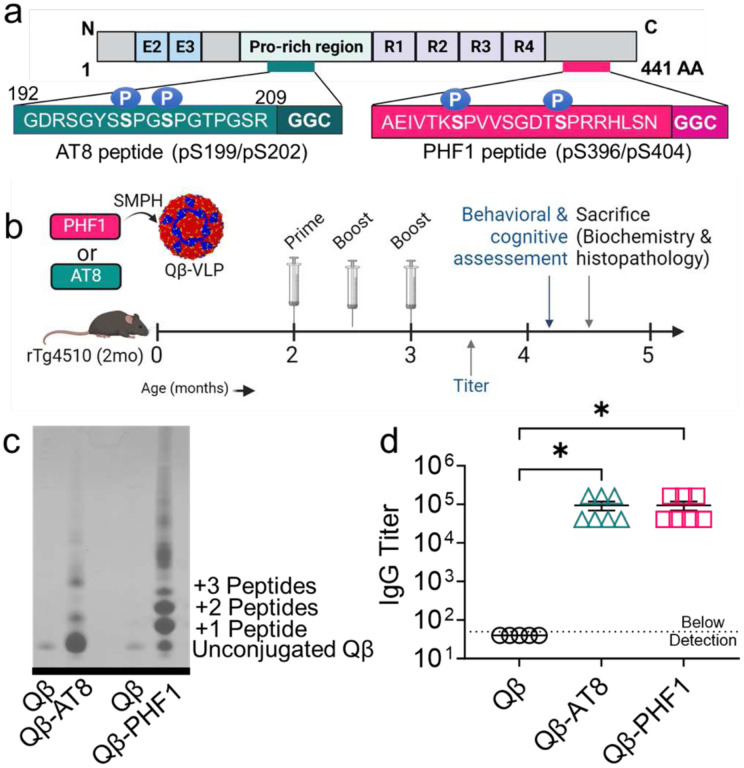 Figure 1
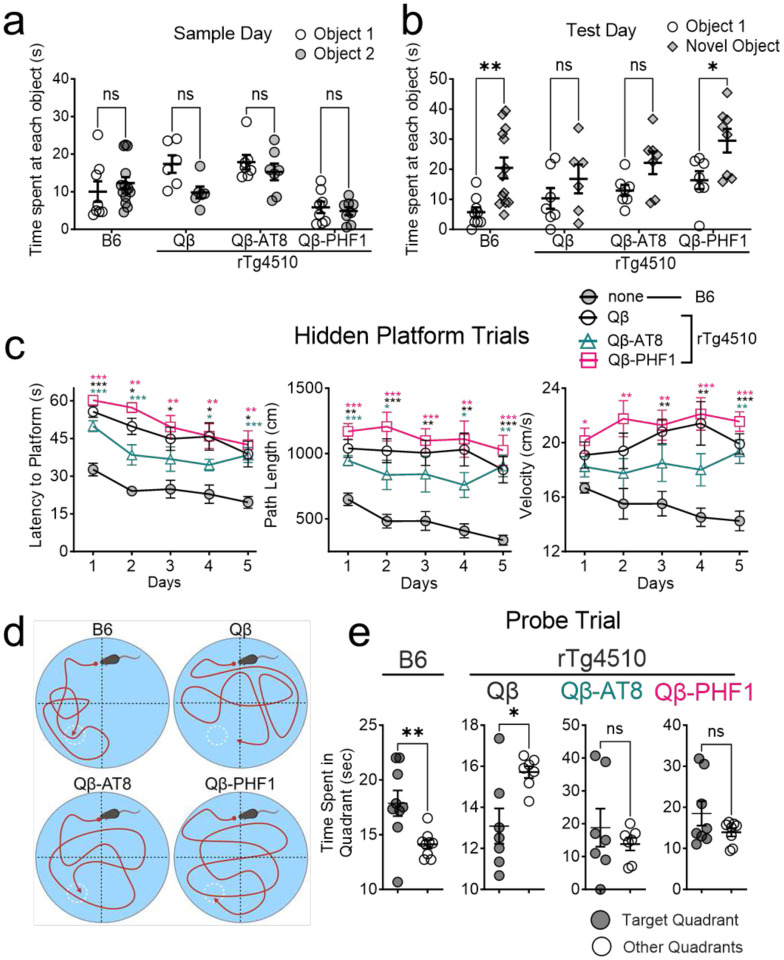 Figure 2
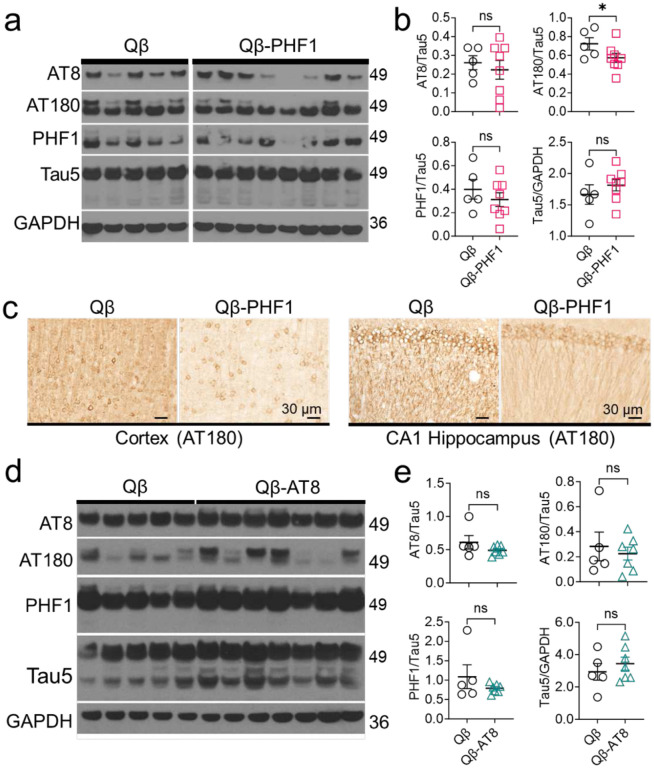 Figure 3
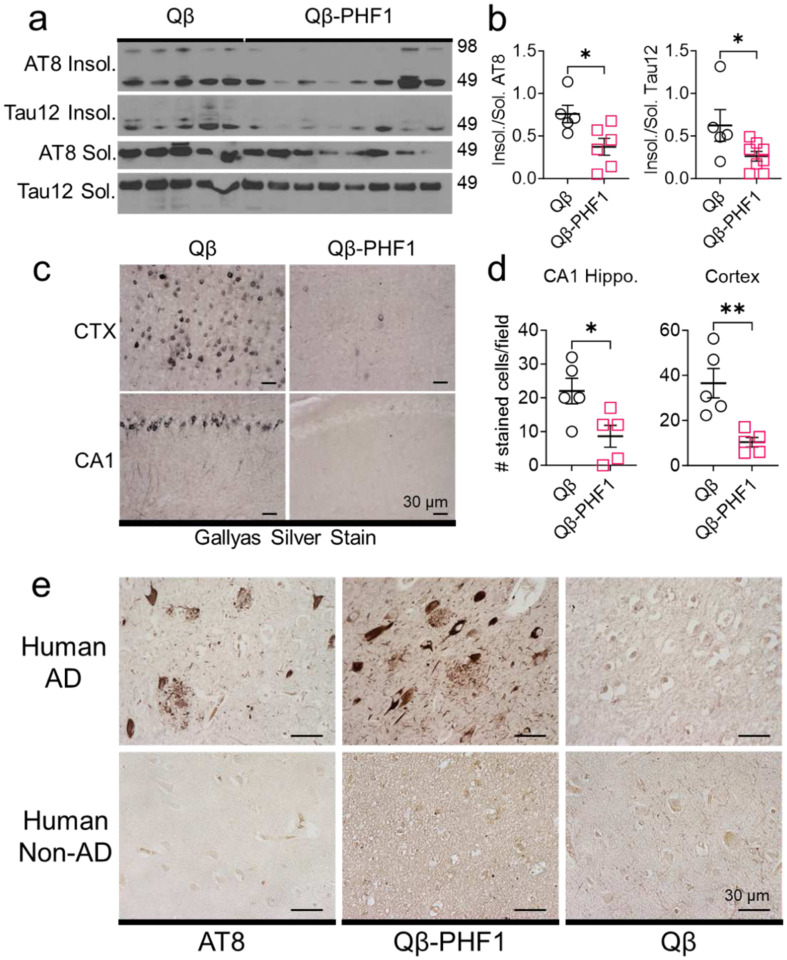 Figure 4
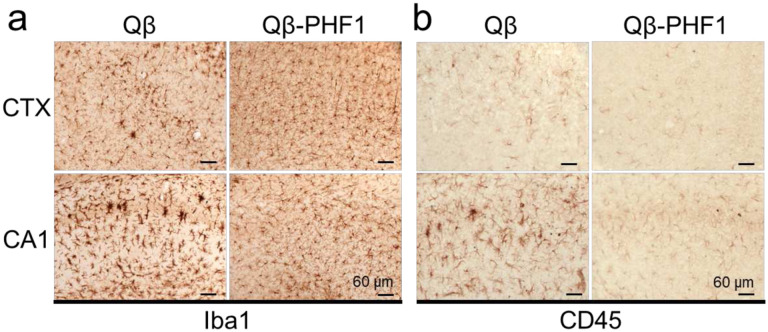 Figure 5
Peer Reviews
No public reviews on file for this paper yet. If you reviewed it on a platform where reviews are public (OpenReview, ICLR, NeurIPS, ICML), you can paste yours below so the community can read it here.
Videos
No videos yet. Explain this paper in a talk, walkthrough, or lecture? Add one.
Taxonomy
TopicsAlzheimer's disease research and treatments · Neuroinflammation and Neurodegeneration Mechanisms · Tryptophan and brain disorders